

Mango scab
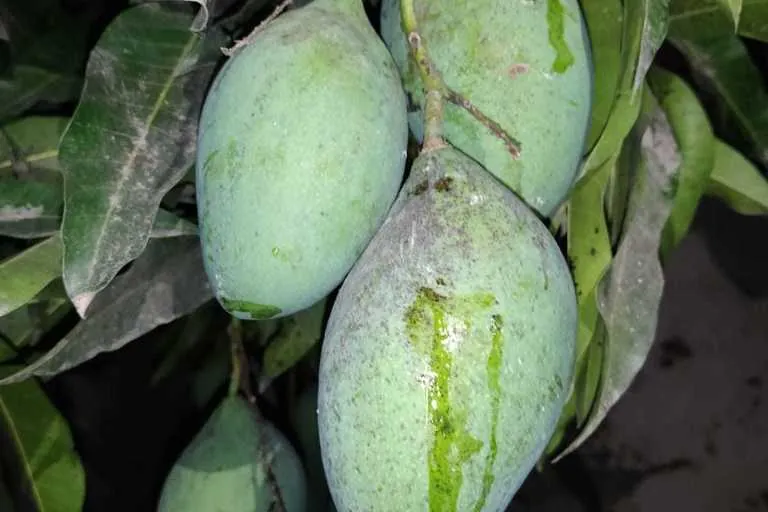
Young fruits get grey brown corky spots that roughen and twist the skin, and leaves show brown rough spots on the underside.
Crops it strikes
What you see
When to act
Scab only infects young leaves, flowers and young fruit in wet weather. Protect each new flush and the fruit set during rainy weeks, above all in nurseries and on trees that had scab last season.
What to spray
- MancozebFRAC M03ShopeeLazada
- Azoxystrobin plus difenoconazoleFRAC 11 plus 3ShopeeLazada
- AzoxystrobinFRAC 11ShopeeLazada
- CaptanFRAC M04ShopeeLazada
- Chlorothalonil plus tetraconazoleFRAC M05 plus 3ShopeeLazada
- ProchlorazFRAC 3ShopeeLazada
- IminoctadineFRAC M07ShopeeLazada
- Mancozeb plus carbendazimFRAC M03 plus 1ShopeeLazada
- ThiramFRAC M03ShopeeLazada
Active ingredients only, never brands. The FRAC group tells how it works: switch to a different group next time, so the disease does not learn to survive it. Spray only when the damage is worth the cost, and only with products registered with the Fertilizer and Pesticide Authority for your crop. Follow the label. The Shopee and Lazada links only show who sells something with that active ingredient, not a recommendation of any seller or product.
How to prevent it
- Prune after harvest to open the canopy, and cut out scabby twigs and leaves that carry the fungus to the next flush.
- Protect nursery seedlings and grafts. Scab stunts young plants and travels on them to new orchards.
- Induce flowering for a dry stretch where you can. Fruit set in rain catches scab and anthracnose together.
- Rake and burn fallen scabby leaves and fruit.
- Bag the fruit on time. The bag keeps late infections and fruit flies off.
Not sure it is this one?
Many diseases look alike. Send a photo to Anee, the smart farm technician in anee.io. She reads it with your crop, its age and the weather, and tells you what it most likely is and what to do first. In Tagalog or English.