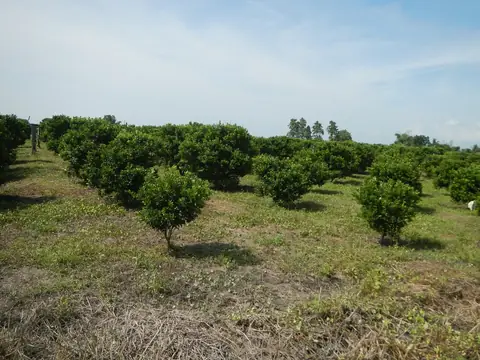
Siamese Abulug Pomelo (Abulug pomelo): Fruit and Tree Characteristics
Siamese Abulug is a registered pomelo variety, also sold or known as Abulug pomelo or NSIC Pm 04. It was registered with the National Seed Industry Council in 2008 as NSIC 2008 Pm 04. Celerina T. Miranda bred it. Its record notes a yield of 300 fruits/tree at 10 years.
The average and top yields in tonnes per hectare come from the trials each variety went through to be registered with the NSIC, and from what the seed companies say about their own seed.
What farmers harvest today can be different. Newer harvest records, the season, the place, the soil, the water and the care all move these numbers over time.
So use them to compare varieties, not as a promise for your field. Ask your seller or your agriculturist how the variety did on farms near you in the last few seasons.
If you came here looking for Abulug pomelo or NSIC Pm 04, this is the same pomelo. Its seller and farm sources add notes, listed at the end. Compare it with the others in our pomelo variety finder, or see every crop variety we list. For the crop itself, read our guide: fertilizer for fruit trees.
- Yield: a recorded yield of 300 fruits/tree at 10 years.
Key facts about Siamese Abulug pomelo
| Trait | What the record shows |
|---|---|
| Registration | NSIC 2008 Pm 04 |
| Year approved | 2008 |
| Breeder or owner | Celerina T. Miranda |
| Also known as | Abulug pomelo, NSIC Pm 04 |
| Yield noted | 300 fruits/tree at 10 years |
| Tree growth habit | Spreading |
| Tree growth and vigor | Strond and Hardy |
| Tree regularity of bearing | Annual |
| Fruit shape | Spheroid |
| Skin color | Greenish to Light Yellow |
| Skin texture | Smooth |
| Skin thickness (mm) | 17.4 |
| Flesh color | Colorless to Creamy White |
| Flesh texture | Soft |
| Flesh juiciness | Very Juicy |
| Flesh sweetness (Brix) | 10.5 |
| Flesh flavor | Sweet |
| Yield, per the seller | about 300 fruits per tree at 10 years |
When does it bear, and how much?
A registered tree variety is described from its mother tree, not from trial plots. Its record notes a yield of 300 fruits/tree at 10 years. It bears every year. A grafted or marcotted tree bears years sooner than one grown from seed, and its yield climbs as the tree grows.
anee.io keeps the records of each block of trees, from fertilizer to harvest, with the growth stages and weather beside them.
Is it resistant to pests and diseases?
No pest or disease ratings are published for this variety. So treat it as untested, and scout every week.
The pests and diseases that hit pomelo fields most often: citrus greening, mealybug, Oriental fruit fly. Our pest finder and disease finder help you name what you see.
What the fruit is like
The flesh is colorless to creamy white and soft. Its sweetness measured 10.5 degrees Brix, the share of sugar in the juice. Most table fruit tastes sweet from about 12 Brix up. The edible part is 53.8 percent of the fruit.
What its seller and farm sources say
- Yield: About 300 fruits per tree at 10 years.
- Fruit: Round, greenish to light yellow peel, very juicy, sweet, colorless to creamy white flesh, about 10.5 Brix, seedy (about 59 seeds).
- Where: Cagayan Valley (Abulug).
- Uses: Table.
- Strong, hardy tree.
Why farmers know it: a heavy bearing Cagayan Valley pomelo: about 300 fruits per tree at 10 years. Check these against what farmers near you have seen, because the same variety can do differently from one town to the next.
Where and when to plant Siamese Abulug pomelo
Davao is the home of suha. Pick a registered selection by flesh color and sweetness, and plant marcotted trees. A registered tree variety is a selection from one proven mother tree, and only grafted, budded or marcotted plants carry its traits. A seedling grown from its seed can turn out quite different. So buy from a nursery accredited by the Bureau of Plant Industry, and ask which mother tree the scions came from. Before planting, get the field ready with our guide: Land preparation for fruit trees.
Before you buy planting material
- Buy grafted or budded plants from an accredited nursery, with the variety name on the tag.
- Ask your municipal agriculturist or nearby farmers how it did in your area last season.
- Plant a few trees first if the variety is new to your area, before you fill the whole farm.
- Write down the planting day, inputs and harvest, so you can compare varieties on your own ground. anee.io keeps these records for you.
Set the planting day of each lot and anee.io dates every task to harvest, with the weather beside it. Free on the Libre plan.
Start freePomelo varieties like this one
These are the closest matches among the pomelo varieties we list. So if seed of this one is hard to find, compare these first.
- Helmar: 2006
- Magallanes: 2004
- Martha: 1996
Is Abulug pomelo the same as Siamese Abulug?
What is its yield?
Where can I buy planting material of Siamese Abulug?
See how Siamese Abulug will do on your farm
With Libre + Anee, see its full record: how it yields, its strengths and weaknesses against pests, diseases and the weather, and whether it fits your farm, your season and your soil.
The account is free, no credit card.