Molybdenum Deficiency in Plants: Signs, Causes and How to Fix It
Molybdenum deficiency in plants starts on the old, lower leaves. Molybdenum is part of the enzyme that turns nitrate into protein. So a plant short of it cannot use the nitrogen it takes up. Legumes need even more of it, because the bacteria in their root nodules use it to fix nitrogen from the air. Plants need less of it than of any other nutrient, as little as 50 grams per hectare. Here are the signs in each crop, what brings it, how to be sure and the fertilizer that fixes it.
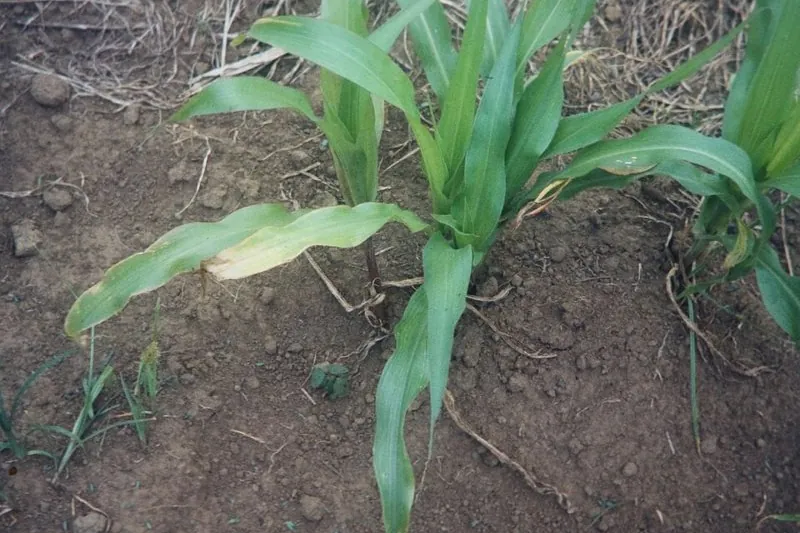
The plant moves some molybdenum to new growth. So in most crops the older and middle leaves pale first, much as with nitrogen shortage. Cauliflower and broccoli are the exception, because their young heart leaves grow narrow and twisted into the classic whiptail.
Molybdenum deficiency symptoms
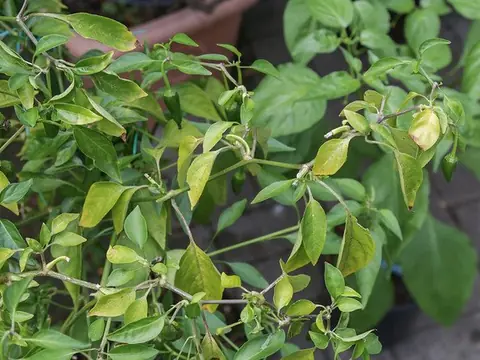
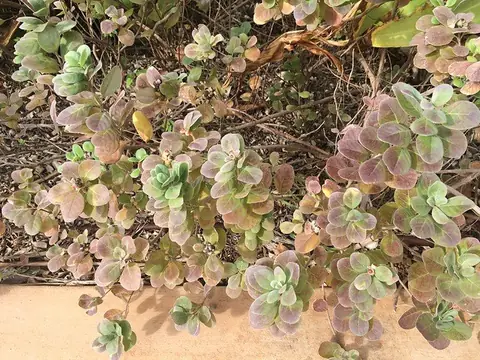
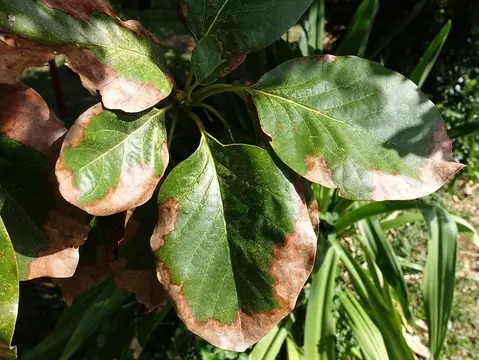
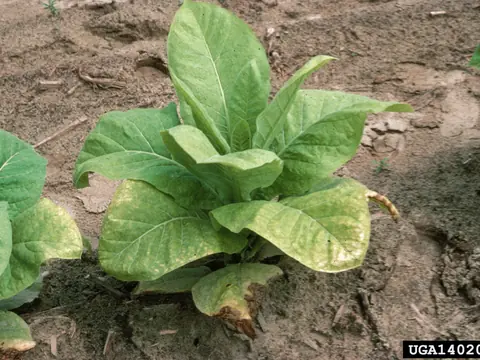
The tissue between the veins and out at the leaf margins goes pale or yellowish green, and the plant stays stunted. Unlike nitrogen shortage, the leaf edges burn and roll or cup, because unused nitrate builds up in them. Cauliflower and broccoli grow whiptail, narrow and twisted heart leaves with almost no blade. Legumes stay yellow and stunted, like plants with no working nodules.
Molybdenum deficiency by crop
Each crop shows it its own way. So find yours in the tables below, then open its page for the photo and the full fix, like the one for molybdenum in mungbean.
Legumes
| Crop | The first sign | Fix with |
|---|---|---|
| Monggo | Pale, slow monggo on acid soil that looks short of nitrogen, with few nodules that are white inside. | Sodium molybdate, Agricultural lime |
| Mani | Pale yellow plants that look short of nitrogen on acid soil, with small nodules that are white or green inside. | Sodium molybdate, Agricultural lime |
| Utaw | Light green plants that look nitrogen starved, on very acid soil, even with nodules present. | Sodium molybdate, Ammonium molybdate |
| Sigarilyas | Pale, nitrogen starved vines on very acid soil even when nodules are present. | Sodium molybdate, Ammonium molybdate |
Vegetables
| Crop | The first sign | Fix with |
|---|---|---|
| Repolyo | On acid soil, faint yellow green plants with narrow, toothed leaves that bend down and loose heads. | Sodium molybdate, Ammonium molybdate |
| Litsugas | On acid soil, pale stunted plants whose leaf edges wilt and die back, with clear spots between veins. | Sodium molybdate, Agricultural lime |
| Brokoli | On acid soil, narrow, cupped young leaves with yellow, scorched edges in patches of the field. | Sodium molybdate, Ammonium molybdate |
| Koliplor | New leaves are narrow and strap like, sometimes only the midrib, and no proper curd forms. | Sodium molybdate, Ammonium molybdate |
| Milon | On acid soil, crown leaves turn pale between the veins as vines start to run, then leaf edges burn. | Sodium molybdate, Agricultural lime |
What causes molybdenum deficiency
Molybdenum is the one micronutrient that acid soil locks up, and most shortages occur at a soil pH of 5.5 or less. So the strongly acid clays of many Philippine uplands are where it shows, mostly on cauliflower, broccoli, cabbage, tomato and legumes. Fields that never get manure or lime are more at risk.
How to be sure it is molybdenum
Molybdenum shortage looks like nitrogen shortage, but the leaf edges scorch and roll. It often shows in patches within an otherwise healthy crop. In legumes it looks just like plants with no working nodules, so a test spray settles it. The surest test is a small trial with sodium or ammonium molybdate on a few plants. If they grow greener and better than untreated plants, molybdenum was short. Whiptail in nearby cauliflower and a soil pH of 5.5 or less also point to it.
How to fix molybdenum deficiency
Liming acid soil with agricultural lime or dolomite frees the molybdenum already there, but it works slowly, over several months. A molybdenum salt is quicker, at a typical vegetable rate of 1 kg of sodium molybdate per hectare mixed with the fertilizer. For cauliflower, cabbage and tomato seedlings, water 40 grams in 50 liters onto each 10 square meters of seedbed, one to two weeks before transplanting.
A typical spray is about 50 grams of sodium or ammonium molybdate in 100 liters of water, on tomatoes, beans and other crops. Do not go above it, because more only wastes money and can injure the plants.
Fertilizers sold here that supply molybdenum
| Product | Made or sold by | What it holds | Use |
|---|---|---|---|
| Tierramino Molybdenum | Unilox Far East Resources | 16 percent molybdenum | On the leaves |
| Liquid Chelate Molybdenum | Sagrex | 5 percent molybdenum | On the leaves |
| YaraVita Teprosyn Mo | Yara | 0 15 0 with 15.3 percent molybdenum | On the leaves |
For rates and timing, see our guides to foliar fertilizer and to fertilizer application methods. Also, anee.io keeps every application on the cropping calendar, so you know what went on each lot and when.
How to keep molybdenum deficiency away
Keep acid fields limed to a moderate pH and add manure, which carries some molybdenum. For legumes, a molybdenum seed treatment is the most common way to give the tiny amount they need.
Plants seldom suffer from extra molybdenum, but forage too rich in it can harm grazing animals. Apply only the small rates given, since more is wasted and can injure crops.
Pick your crop in the Nutrient Deficiency Finder, say where the leaves changed first and what you see, and get the fertilizers sold here that fix it.
- Anee, the smart farm technician, reads a photo of the leaf in Tagalog or English
Molybdenum deficiency questions
What is whiptail in cauliflower?
What does molybdenum deficiency look like?
What is the best fertilizer for molybdenum deficiency?
Why does liming help molybdenum but hurt other micronutrients?
Find the missing nutrient and fix it
With Libre + Anee, read the whole guide: how to tell the deficiency from look alikes, how to be sure, what to apply, and the fertilizers sold here that supply it.
The account is free, no credit card.