

Rhizome and corm rot
Lower leaves yellow, shoots fall over at the collar, and the rhizome or corm turns soft, watery, brown and foul smelling.
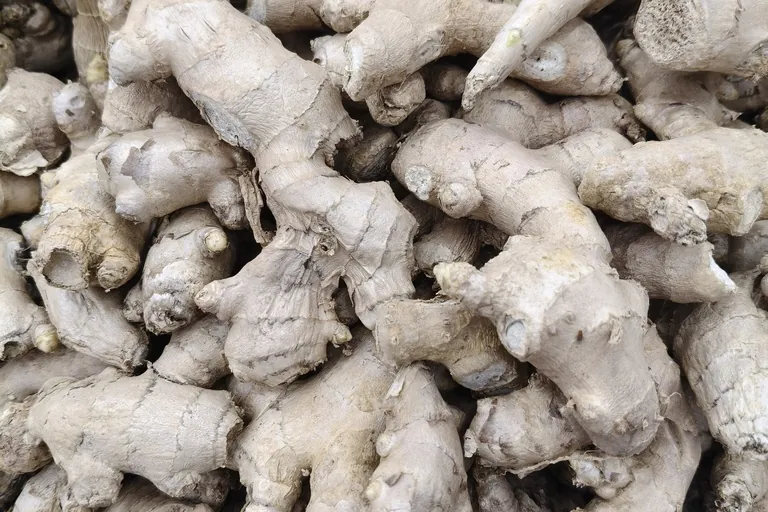
Crops it strikes
What you see
When to act
From two months after planting, watch for lower leaves yellowing from the tips and a soft, water soaked collar. Pull one clump to check the rhizome. Remove sick clumps with the soil around them at once and treat the spot and the plants around it.
What to spray
Active ingredients only, never brands. The FRAC group tells how it works: switch to a different group next time, so the disease does not learn to survive it. Spray only when the damage is worth the cost, and only with products registered with the Fertilizer and Pesticide Authority for your crop. Follow the label. The Shopee and Lazada links only show who sells something with that active ingredient, not a recommendation of any seller or product.
Resistance: Pythium can become resistant to metalaxyl (FRAC 4) when it is used every season. Use it only as a seed dip or a first drench and lean on drainage and Trichoderma.
How to prevent it
- Plant seed rhizomes and corms only from healthy fields, and throw out any piece that is soft, brown or shrunken.
- Plant on raised beds with deep drains. Standing water is what this rot needs.
- Rotate for at least three years away from ginger, turmeric and taro, and do not plant where the rot struck before.
- Mulch with green leaves after planting, and work in plenty of well rotted compost.
- Keep rhizome fly, scale and root knot nematodes down, since their wounds let the rot in.
- Lift and destroy rotted clumps with the soil around them, and never carry soil from a sick bed to a clean one.
Natural enemies and biological help
- Mix Trichoderma into compost and add it at planting and again at the first hilling up. It guards the rhizomes against Pythium.
Where this comes from
Not sure it is this one?
Many diseases look alike. Send a photo to Anee, the smart farm technician in anee.io. She reads it with your crop, its age and the weather, and tells you what it most likely is and what to do first. In Tagalog or English.