

Citrus tristeza
Trees slowly decline with small yellowing leaves, twig dieback and pits in the wood under the bark, often together with greening.
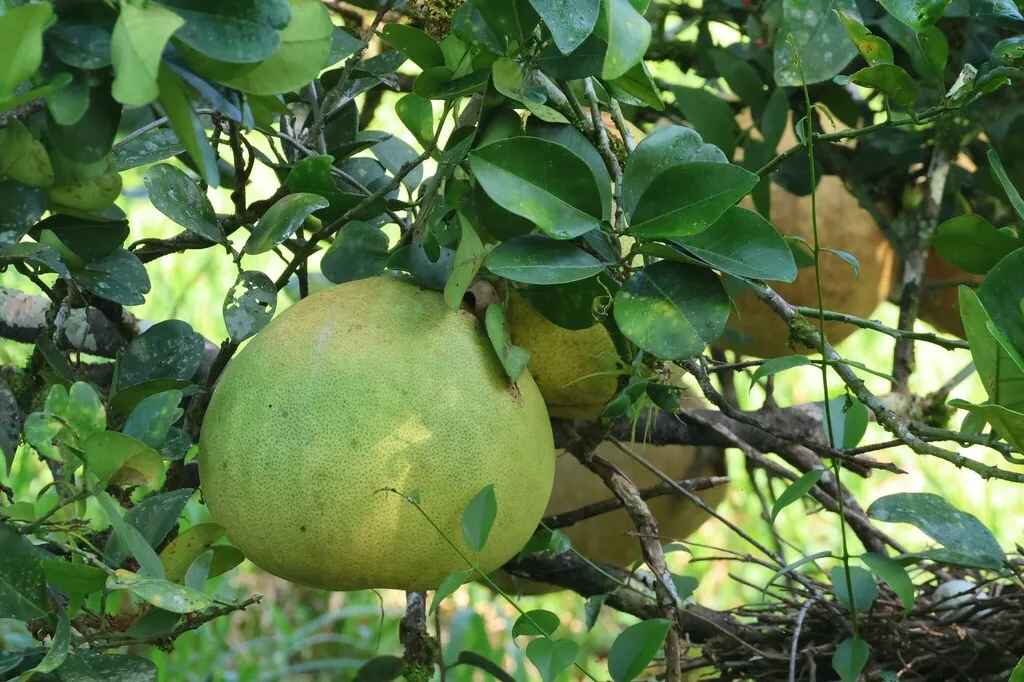
Crops it strikes
What you see
When to act
In nurseries and on budwood mother trees, check new flushes every week for aphid colonies and keep them clean. In the orchard, watch for trees that slowly decline with small yellow leaves and pits in the wood under the bark.
Before you spray
No spray cures it. Plant certified virus free seedlings on tolerant rootstock, remove declining trees and keep aphids off nurseries and budwood trees.
The insect that spreads it
No spray cures a sick plant. What slows the spread is keeping the aphids down, early, before it carries the disease to healthy plants.
How to prevent it
- Plant certified virus free seedlings grafted on tristeza tolerant rootstock. Never graft budwood from an untested tree.
- Keep budwood mother trees and nurseries in insect proof screen houses and keep aphids off them.
- Replace declining trees, or a whole block once it no longer pays, with clean trees on tolerant rootstock.
- Never move citrus plants or budwood from declining orchards into clean areas.
Natural enemies and biological help
- Ladybird beetles, lacewings, hoverflies and small wasps keep citrus aphids down. They slow the spread but cannot stop the virus.
Not sure it is this one?
Many diseases look alike. Send a photo to Anee, the smart farm technician in anee.io. She reads it with your crop, its age and the weather, and tells you what it most likely is and what to do first. In Tagalog or English.