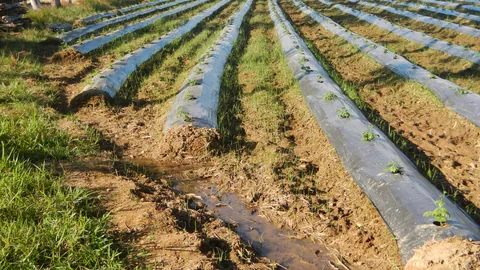
Salakot Upo: Characteristics
Salakot upo is an open pollinated upo variety. It is not a registered variety, so the facts here come from its seller and farm sources. It comes from Allied Botanical (Condor).
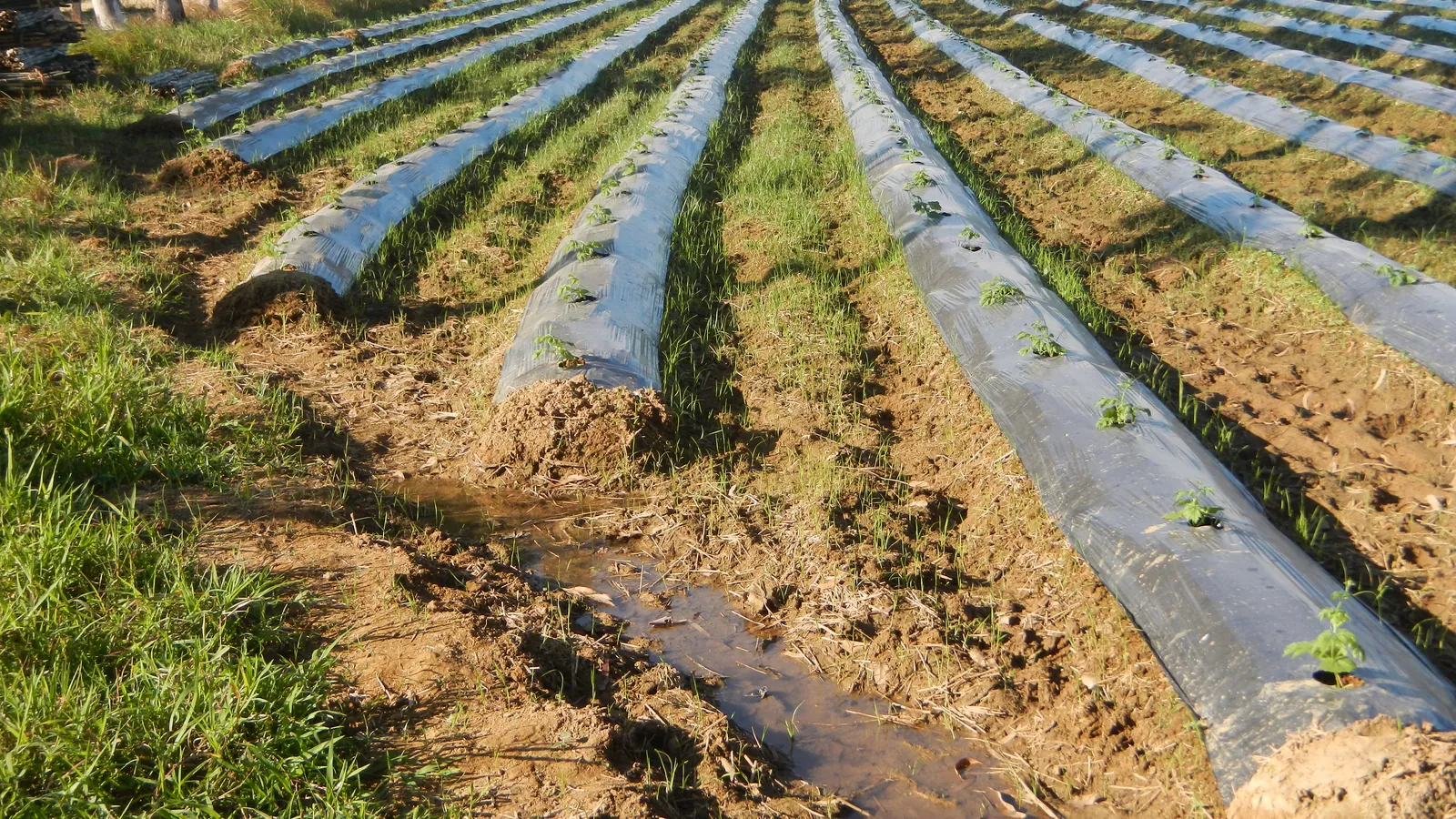
The facts below come from its seller and from farm sources, each one listed at the end. Compare it with the others in our upo variety finder, or see every crop variety we list. For the crop itself, read our guide: Land preparation for gourds and melons.
- Type: Open pollinated.
Key facts about Salakot upo
| Trait | What the record shows |
|---|---|
| Breeder or owner | Allied Botanical (Condor) |
| Type | Open pollinated |
| Days to harvest, per the seller | first harvest 60 to 65 days after sowing |
How long does it take, and how much does it yield?
Days to harvest, by the seller's count: first harvest 60 to 65 days after sowing. No trial on record checks this figure yet, so treat it as the seller's own and compare with farms near you before you plan a season around it.
Once you know the day count, anee.io dates every task from each lot's own planting day, with the growth stages and weather beside it.
Is it resistant to pests and diseases?
No pest or disease ratings are published for this variety. So treat it as untested, and scout every week.
The pests and diseases that hit upo fields most often: cutworm, downy mildew of cucurbits, melon fly, powdery mildew, squash beetle. Our pest finder and disease finder help you name what you see.
What its seller and farm sources say
- Days to harvest: First harvest 60 to 65 days after sowing.
- Fruit: Large, very firm, light green fruit with a broad base.
- Season: Dry season.
- Where: Lowland.
- Vigorous vines.
- Mature shells can be made into traditional salakot hats.
Why farmers know it: Allied Botanical's wide based upo, named for the farmer's hat its dried shell can be made into, only evidence is the company's own lineup. These are the seller's own figures, from its own trials. So plant a small area first, and compare it with your usual upo on the same ground.
Where and when to plant Salakot upo
Upo grows fast on a trellis. Pick a variety with a smooth, even fruit that stays tender, and harvest it young. Before planting, get the field ready with our guide: Pagtatanim ng gulay.
Before you buy seed
- Buy sealed packs or tagged sacks from an accredited dealer, and check the packing date and germination rate.
- Ask your municipal agriculturist or nearby farmers how it did in your area last season.
- Try it on a small area first, beside the variety you usually plant, before you switch the whole farm.
- Write down the planting day, inputs and harvest, so you can compare varieties on your own ground. anee.io keeps these records for you.
Set the planting day of each lot and anee.io dates every task to harvest, with the weather beside it. Free on the Libre plan.
Start freeUpo varieties like this one
These are the closest matches among the upo varieties we list. So if seed of this one is hard to find, compare these first.
Can I save its seed?
Where can I buy seed of Salakot?
See how Salakot will do on your farm
With Libre + Anee, see its full record: how it yields, its strengths and weaknesses against pests, diseases and the weather, and whether it fits your farm, your season and your soil.
The account is free, no credit card.