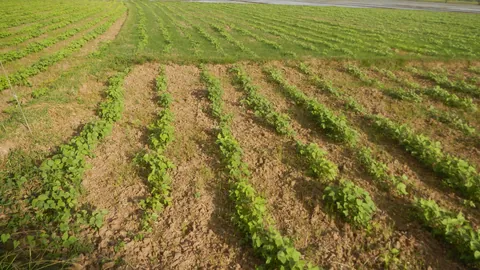
Biyaya 16 Peanut (UPL Pn16): Yield, Maturity and Characteristics
Biyaya 16 is a registered peanut variety, also sold or known as UPL Pn16 or NSIC Pn 13. It was registered with the National Seed Industry Council in 2006 as NSIC 2006 Pn 13. It takes about 98 days from sowing to harvest, with 1.77 tonnes per hectare on average in the trials.
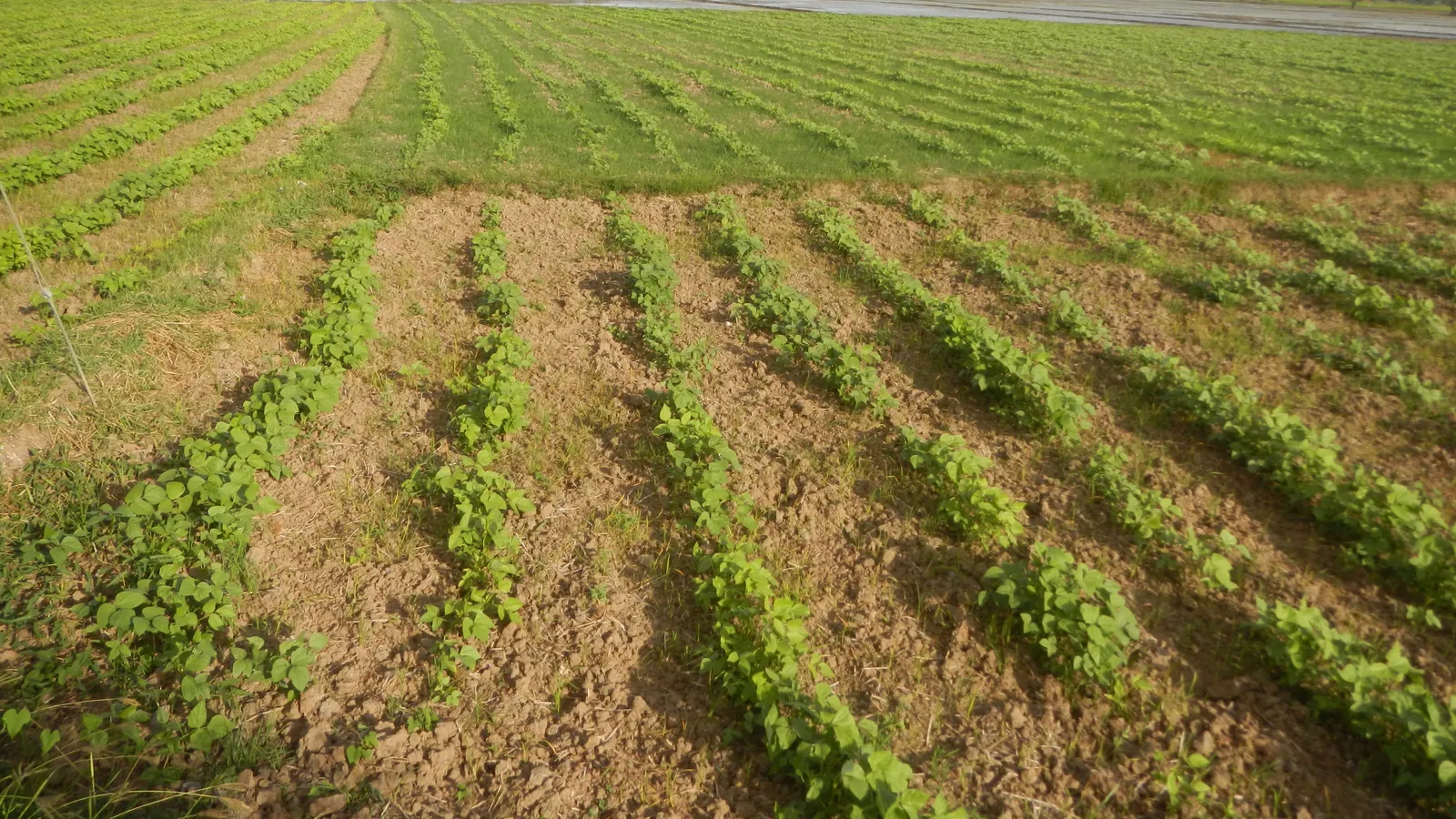
The average and top yields in tonnes per hectare come from the trials each variety went through to be registered with the NSIC, and from what the seed companies say about their own seed.
What farmers harvest today can be different. Newer harvest records, the season, the place, the soil, the water and the care all move these numbers over time.
So use them to compare varieties, not as a promise for your field. Ask your seller or your agriculturist how the variety did on farms near you in the last few seasons.
If you came here looking for UPL Pn16 or NSIC Pn 13, this is the same peanut. Its seller and farm sources add notes, listed at the end. Compare it with the others in our peanut variety finder, or see every crop variety we list. For the crop itself, read our guide: Land preparation for legumes.
- Days to harvest: about 98 days from sowing to harvest.
- Yield: 1.77 tonnes per hectare on average in the trials.
- Plant height: about 63.5 cm.
Key facts about Biyaya 16 peanut
| Trait | What the record shows |
|---|---|
| Registration | NSIC 2006 Pn 13 |
| Year approved | 2006 |
| Also known as | UPL Pn16, NSIC Pn 13, Biyaya peanut |
| Days to harvest | about 98 days |
| Average yield | 1.77 t/ha |
| Yield, dry season | 1.88 t/ha |
| Yield, wet season | 1.67 t/ha |
| Plant height | 63.5 cm |
| 100 seed weight (g), dry season | 56.5 |
| 100 seed weight (g), wet season | 51.6 |
| Seed crude protein | 27.27 |
| Seed crude fat | 48.36 |
| Seed carbohydrates | 12.48 |
| Seed ash | 3.11 |
How long does it take, and how much does it yield?
Biyaya 16 peanut takes about 98 days from sowing to harvest. That is 3.8 days faster than the average of the 26 peanut varieties with a day count, 101.3 days. A shorter crop frees the field sooner and dodges more of the weather, while a longer one often fills more.
Its average yield of 1.77 t/ha trails the average of its group, 1.85. Trial yields come from well managed plots, so your own will depend on water, fertilizer, pests and timing. Its seller gives about 97 to 98 days.
Once you know the day count, anee.io dates every task from each lot's own planting day, with the growth stages and weather beside it.
Is it resistant to pests and diseases?
| Pest or disease | Rating | What it means |
|---|---|---|
| Rust | Moderately resistant | Took some damage but held up |
| Cercospora leaf spot | Moderately resistant | Took some damage but held up |
It showed no weak spot in the ratings on record. Still, a resistant variety can break down when a new strain or pest population comes, so keep scouting.
The pests and diseases that hit peanut fields most often: bacterial wilt, eggplant leafhopper, bean fly, Corn earworm, cutworm. Our pest finder and disease finder help you name what you see.
What the seed is like
A hundred seeds weigh about 56.5 grams, so the higher this number, the bigger the seed. The seed holds 27.27 percent crude protein.
What its seller and farm sources say
- Yield: 1.88 t/ha dry season, 1.67 t/ha wet season.
- Fruit: About 52 to 57 g per 100 seeds, about 75 percent shelling, oil about 48 percent.
- Where: Better yields in the wet season.
- Uses: Nuts.
- Moderately resistant to rust and Cercospora leaf spot.
Why farmers know it: used by BPI as the local check against ICRISAT peanut lines, the latest Biyaya in the registry list. Check these against what farmers near you have seen, because the same variety can do differently from one town to the next.
Where and when to plant Biyaya 16 peanut
Mani needs loose, well drained soil to fill its pods. Pick a variety by seed size for your buyer, and one rated against rust and leaf spot for the wet season.
Before you buy seed
- Buy sealed packs or tagged sacks from an accredited dealer, and check the packing date and germination rate.
- Ask your municipal agriculturist or nearby farmers how it did in your area last season.
- Try it on a small area first, beside the variety you usually plant, before you switch the whole farm.
- Write down the planting day, inputs and harvest, so you can compare varieties on your own ground. anee.io keeps these records for you.
Set the planting day of each lot and anee.io dates every task to harvest, with the weather beside it. Free on the Libre plan.
Start freePeanut varieties like this one
These are the closest matches among the peanut varieties we list. So if seed of this one is hard to find, compare these first.
- Sikat: about 98 days, 1.84 t/ha, 2000
- Namnama 1: about 98 days, 1.62 t/ha, 2002
- Biyaya 10: 98 to 100 days, 1.71 t/ha, 1992
- Mithi: 97 to 101 days, 1.79 t/ha, 1989
Is UPL Pn16 the same as Biyaya 16?
How long does it take to harvest?
What is its yield?
Where can I buy seed of Biyaya 16?
See how Biyaya 16 will do on your farm
With Libre + Anee, see its full record: how it yields, its strengths and weaknesses against pests, diseases and the weather, and whether it fits your farm, your season and your soil.
The account is free, no credit card.