Mestisa Ampalaya (Mestisa F1): Characteristics
Mestisa ampalaya is an F1 hybrid ampalaya variety, also sold or known as Mestisa F1 or Mestiza F1. It is not a registered variety, so the facts here come from its seller and farm sources. It comes from East West Seed.
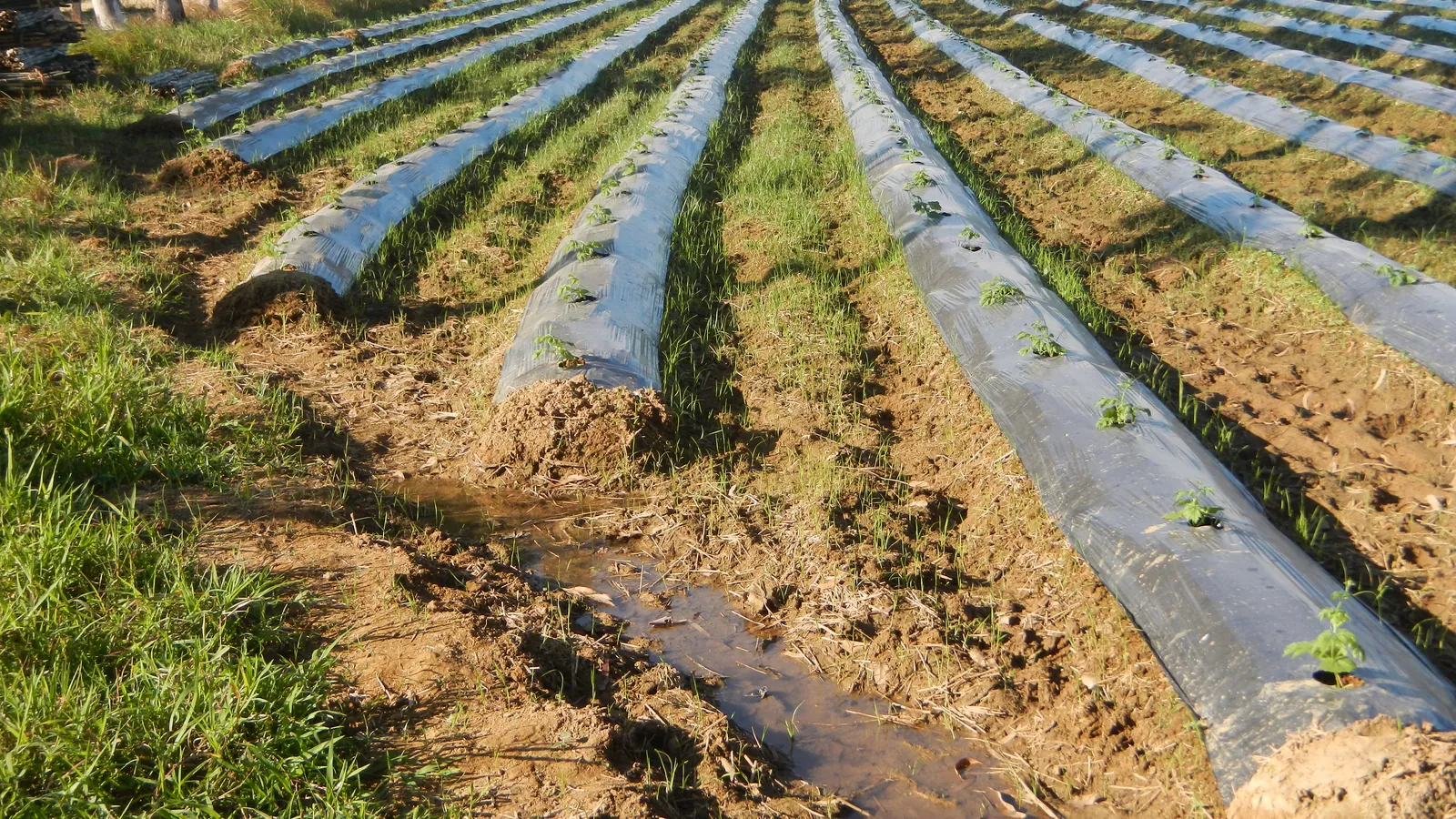
If you came here looking for Mestisa F1 or Mestiza F1, this is the same ampalaya. The facts below come from its seller and from farm sources, each one listed at the end. Compare it with the others in our ampalaya variety finder, or see every crop variety we list. For the crop itself, read our guide: Land preparation for gourds and melons.
- Type: F1 hybrid.
Key facts about Mestisa ampalaya
| Trait | What the record shows |
|---|---|
| Breeder or owner | East West Seed |
| Also known as | Mestisa F1, Mestiza F1, Mestiza ampalaya |
| Type | F1 hybrid |
| Days to harvest, per the seller | first harvest 42 to 45 days after planting, then about two months of picking (Agriculture Monthly) |
How long does it take, and how much does it yield?
Days to harvest, by the seller's count: first harvest 42 to 45 days after planting, then about two months of picking (Agriculture Monthly). No trial on record checks this figure yet, so treat it as the seller's own and compare with farms near you before you plan a season around it.
Once you know the day count, anee.io dates every task from each lot's own planting day, with the growth stages and weather beside it.
Is it resistant to pests and diseases?
No pest or disease ratings are published for this variety. So treat it as untested, and scout every week.
The pests and diseases that hit ampalaya fields most often: downy mildew of cucurbits, melon fly, squash beetle, anthracnose, Cercospora leaf spot. Our pest finder and disease finder help you name what you see.
What its seller and farm sources say
- Days to harvest: First harvest 42 to 45 days after planting, then about two months of picking (Agriculture Monthly).
- Fruit: Light green, 30 to 35 cm long and 5 to 6 cm across, mostly first class (light green fruits are thought less bitter by many buyers).
- Where: Lowland.
- Said to resist the 'namamarako' disease.
- High yielding, used as the scion on patola rootstock for grafted seedlings.
Why farmers know it: the hybrid of big growers in Floridablanca, Pampanga, the ampalaya capital of Central Luzon, the scion of choice for grafted ampalaya in Alcala, Pangasinan, and named with Galaxy in East West's 2025 farmer story. Check these against what farmers near you have seen, because the same variety can do differently from one town to the next.
Where and when to plant Mestisa ampalaya
Pick by fruit: long and light green for most markets, short and dark for the bitter lovers. Hybrids yield more on a trellis, and some are bred to tolerate the downy mildew of the wet season. Before planting, get the field ready with our guide: Pagtatanim ng gulay.
Before you buy seed
- Buy sealed packs or tagged sacks from an accredited dealer, and check the packing date and germination rate.
- Ask your municipal agriculturist or nearby farmers how it did in your area last season.
- Try it on a small area first, beside the variety you usually plant, before you switch the whole farm.
- Write down the planting day, inputs and harvest, so you can compare varieties on your own ground. anee.io keeps these records for you.
Set the planting day of each lot and anee.io dates every task to harvest, with the weather beside it. Free on the Libre plan.
Start freeAmpalaya varieties like this one
These are the closest matches among the ampalaya varieties we list. So if seed of this one is hard to find, compare these first.
Is Mestisa F1 the same as Mestisa?
Can I save its seed?
Where can I buy seed of Mestisa?
See how Mestisa will do on your farm
With Libre + Anee, see its full record: how it yields, its strengths and weaknesses against pests, diseases and the weather, and whether it fits your farm, your season and your soil.
The account is free, no credit card.