Coffee Harvest in Gia Lai: What to Do on Your Farm Right Now
In November, the coffee harvest in Gia Lai is your main job. On a 2 hectare robusta farm around Pleiku, do four things. Pick only ripe red cherries, in three rounds. Start drying each batch within a day of picking. Guard the farm at night. Before picking ends, plan your water and fertilizer for the dry season.
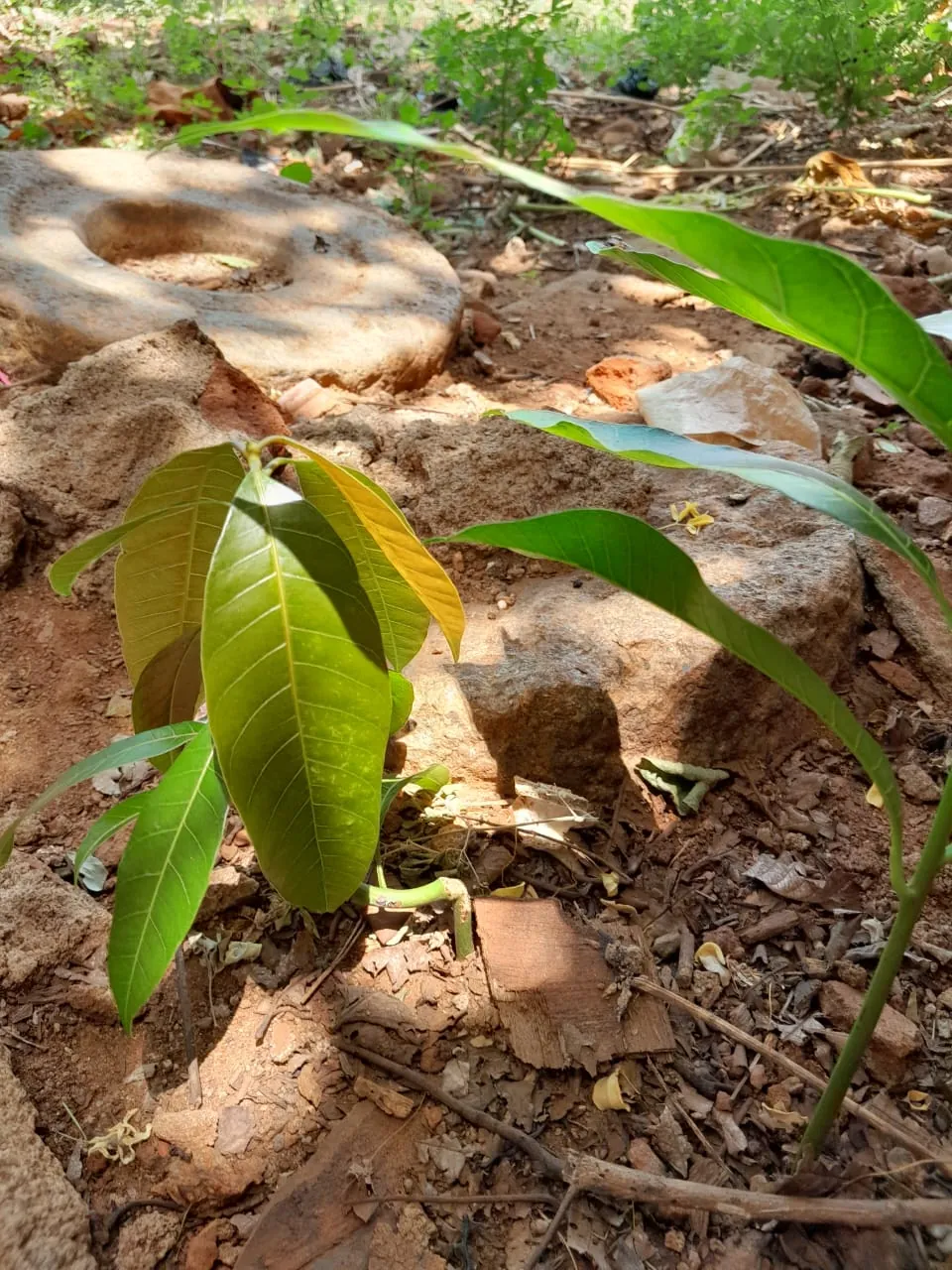
"What should I do in my coffee farm right now?" Asked by a farmer with 2 hectares of Coffee (Kape) in Pleiku, Gia Lai (Vietnam).
Gia Lai has more than 107,000 hectares of coffee, and most of it grows in the western part of the province around Pleiku. Farmers there have already started picking the first ripe cherries this November. In the main growing areas, the big picking should run from mid November to the end of December.
So the next six weeks decide most of your ani, the Tagalog word for harvest, and how much money it brings. After that, the dry season decides next year's crop.
What to do on your coffee farm right now
Here is the short list for a 2 hectare robusta farm in Pleiku this month. Each job has its own section below, with the reasons behind it.
- Pick only ripe red cherries, in rounds, and never strip whole branches.
- Start drying every batch within 24 hours of picking.
- Guard the farm and the drying yard at night, because high prices bring theft.
- Book your pickers and drying space now, before the main picking peaks.
- Write down the picking dates and sack counts for each lot.
- Plan water, pruning and fertilizer for the dry season before the harvest ends.
How to pick for the coffee harvest in Gia Lai
Good picking is the cheapest way to get a better price. Green cherries lower bean quality. Stripping or breaking branches also hurts the wood that bears next year's fruit. For that reason, the usual practice for Gia Lai coffee is hand picking in three rounds.
First pick
Go through the trees early and take only the cherries that ripened first. Leave every green cherry on the branch.
Main pick
When most of the fruit has turned red, do the big round. Pick cherry by cherry, and do not pull, strip or break the branches.
Final pick
Come back for the last ripe cherries. Do not leave fruit drying on the tree or lying on the ground. Leftover cherries can feed the coffee berry borer, which is called mọt đục quả locally.
Pause around flowering
Early rain or watering can make some trees flower. If that happens, stop picking those trees for 3 to 5 days before and after the flowers open. That way you do not knock off the new blossoms.
Aim to finish early
Try to end picking by mid December. From October to late December the air is drier, with humidity near 72 to 76 percent. That dry spell helps the beans fill and dry.
On 2 hectares, three picking rounds take many work days. We cannot give a fixed number of pickers, because it depends on tree age, spacing and crop load. Instead, count how many days your crew needed last season. Then book the same people early, since every farm around Pleiku is hiring at the same time.
Drying and storing the cherries
Start drying within 24 hours of picking. Cherries that sit in sacks heat up and ferment, and that spoils both the taste and the price. Spread the whole cherries thinly on a clean drying yard or on tarps, never on bare soil.
In steady sun, whole cherries need about 12 to 15 days to dry. Turn them about 4 times a day so they dry evenly. Once the beans are hard, bag them. Let them rest for 2 to 3 months before you hull or sell them.
We could not confirm the exact moisture figure for green coffee in Vietnam. Ask your buyer or the collection point what moisture level they accept, and have a sample tested. Beans dried too much lose weight on the scale. Beans that are too wet can grow mould in storage.
Guard your farm during the ani
Coffee prices have stayed fairly high this season, and that brings theft. In fact, farmers across Gia Lai are fencing their gardens, locking gates, putting up cameras and building watch huts. Some households hire guards. Others join their neighbours in night patrols.
On a small farm, the drying yard is the weak point, because a full yard holds days of work in one place. Bring dry cherries under a roof at night, and keep a simple count of sacks going in and out. Our guide on farm inventory tracking shows an easy way to keep that count.
Plan the dry season: water, pruning and fertilizer
The dry season sets next year's flowering, and this one may be harsh. Early in 2026, the climate outlook said El Nino would likely form by mid year and last at least to the end of 2026. That forecast is now months old, so check the latest one for the Central Highlands. The last El Nino drought hit the region from December 2023 to April 2024. On many Gia Lai farms, about two thirds of the branches carried no cherries at all, and growers expected the next harvest to fall by 10 to 20 percent.
| Period | Main job | What to check |
|---|---|---|
| Early to mid November | First pick | Only ripe cherries, drying yard clean and ready |
| Mid November to December | Main pick, final pick and drying | Drying starts within 24 hours, guard at night |
| Right after the last pick | Prune dead, broken and diseased branches | No leftover cherries on trees or ground |
| After harvest | Soil test and fertilizer plan | Rate set from your own soil test |
| About January to March | Watering that triggers flowering | Water supply and the latest El Nino outlook |
Water for flowering
After harvest, the first watering makes robusta flower, usually between January and March. If El Nino is confirmed, wells and ponds may run low just when you need them. So check your water source now, fix your pumps and pipes, and agree on watering turns with neighbours who share it. We have no verified amount of water per tree, so ask your district agricultural extension station for the local figure. Our page on planning around El Nino and La Nina has more drought steps.
Pruning and feeding after harvest
Once picking ends, cut out dead, broken and diseased branches, and clear away the last cherries. This cleanup costs only labor, and it removes the places where pests hide.
Trees need feeding after they carry a crop, but we will not give you a rate we could not check. As with any fertilizer for plants, the right amount depends on your soil, tree age and the size of this year's crop. So take a soil test after harvest and ask the extension station to read it with you. Also, compost the husks from hulling and spread them back under the trees as an organic fertilizer. It costs very little and returns part of what the cherries took out. See these examples of organic fertilizer for other cheap sources.
Pests to watch
Two pests often build up in the dry season: the coffee berry borer and mealybugs (rệp sáp). Clean picking is your first defence against the borer. For mealybugs, check the fruit clusters and the base of a few trees each week. We did not verify which active ingredients are registered for these pests in Vietnam. If you need to spray, use only a product registered for coffee in Vietnam, follow its label and keep to its harvest interval.
anee.io can hold this whole season in one place. Set each lot's day zero in the cropping calendar, then log picking dates, sacks, fertilizer stock and expenses as you go. If a branch looks sick, send a photo to Anee for a second look.
Keep your picking, drying and dry season jobs in one calendar.
- Less guesswork on when to pick, prune and water
- Lower cost with fertilizer and labor tracked
- Higher yield from jobs done on time