Rice Leaves Turning Yellow at 20 Days: Causes and Fixes
At 20 days after transplanting, rice leaves turning yellow usually means a nutrient problem or a pest. First, the most common cause in flooded fields is zinc deficiency. This shows up as pale leaves with brown spots. Also, a lack of nitrogen can turn the whole plant a pale lemon green. Sometimes, the yellowing comes from tungro disease spread by leafhoppers. Besides that, early stem borer damage is another possible cause. So, you need to check the leaves closely. Finding the exact cause is important before you apply fertilizer or spray chemicals.
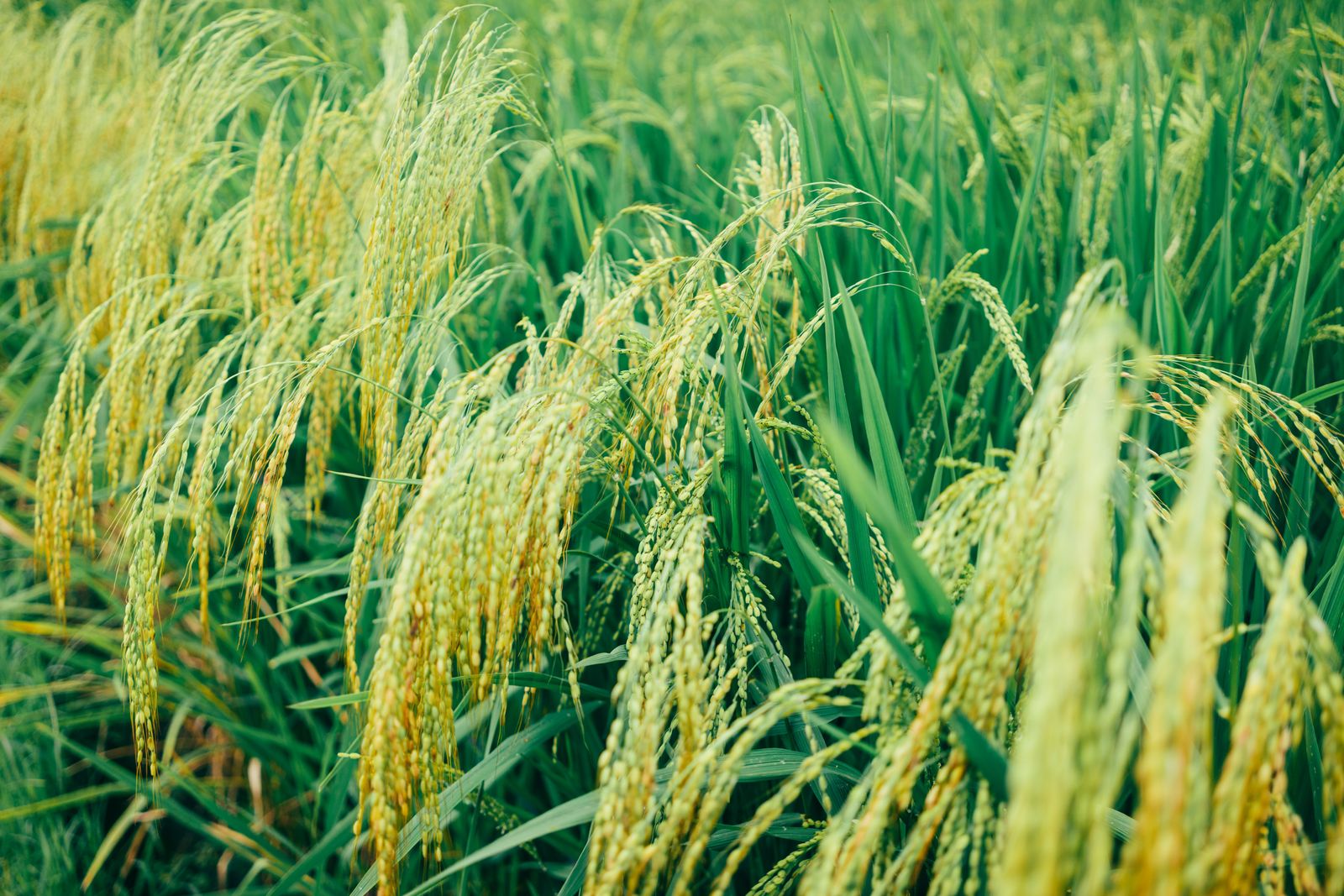
"Why are the leaves of my rice turning yellow 20 days after transplanting?" Asked by a farmer with 2 hectares of Rice, transplanted (Palay) in Aliaga, Nueva Ecija.
Why Rice Leaves Turning Yellow Happens Early
When you see rice leaves turning yellow around 20 days after transplanting, your palay is in its early tillering stage. This is a fast growth period. The plants need the right nutrients and a healthy environment to produce many tillers. If something stops that growth, the leaves lose their dark green color. Good rice seeds give you a strong start, but field conditions matter just as much.
In a place like Aliaga, Nueva Ecija, farmers often keep their two hectares flooded to control weeds. But constant flooding can lock up nutrients in the soil. So, you have to look at the whole plant to know what is wrong. Check the older leaves, the new leaves, and the base of the stem. Proper care during pagtatanim ng palay ensures your crop stays healthy.
Zinc Deficiency in Flooded Paddies
Zinc deficiency is the top suspect when rice leaves turning yellow happens two to four weeks after transplanting. First, the plants look stunted and small. Then, the lower leaves turn pale yellow and develop small brown or black dots. This problem is very common in fields that stay flooded all the time. Because of the water, the roots cannot absorb the zinc they need.
You can often help the plants recover just by draining the water from your field. Let the soil dry for a few days. If the soil needs more zinc, agriculturists recommend applying 25 kilograms of zinc sulfate per hectare. You usually apply this at 10 to 14 days after transplanting. Instead of broadcasting, you can also use a foliar spray if you miss that early window. Agriculturists suggest broadcasting 10 to 25 kilograms of zinc sulfate monohydrate per hectare.
Nitrogen Deficiency During Tillering
A lack of nitrogen also causes yellowing in young rice plants. But unlike a zinc problem, nitrogen starvation does not leave brown spots on the leaves. Instead, the older leaves turn a pale lemon green. Sometimes the entire plant turns yellow. In fact, the leaves grow narrow, short, and stand up straight.
Your palay will also produce fewer tillers. This happens when the crop does not get enough mineral nitrogen fertilizer during this active growth stage. As a result, you might need to adjust your topdressing schedule. Applying Urea Fertilizer 46 0 0 at the right time gives the plants the nitrogen they need. Then, the plants will absorb the nutrients and turn green again.
Diseases and Pests That Turn Leaves Yellow
Sometimes the yellow color comes from an infection or an insect. For example, tungro disease is a serious virus spread by the green leafhopper. Infected plants have yellow or orange leaves and stunted growth. Because it looks so much like a nutrient problem, farmers often confuse it with zinc or nitrogen deficiency. So, you must check for leafhoppers in the field.
Bacterial blight can also cause a condition called kresek. First, the seedlings wilt, roll up, and turn a yellow or straw color. You might mistake this for early damage from the yellow stem borer. A stem borer eats the inside of the stem. As a result, the central leaf turns yellow and dies off. This dead central leaf is called a deadheart.
How to tell kresek from stem borer damage. Pull the yellow tiller. If it pulls out easily, you have a stem borer. But if it resists and you can squeeze a yellowish ooze from the cut stem, you have bacterial blight.
Managing Water to Prevent Yellowing
Water management is a big part of keeping your palay healthy. Continuous flooding is great for stopping weeds. But it changes the soil chemistry. The lack of oxygen in flooded soil makes zinc hard for the roots to absorb. This is why draining the field is often the first step to fix rice leaves turning yellow.
You do not need to keep the field dry for a long time. Just let the water recede until the soil is exposed for a few days. This lets oxygen back into the ground. Then, the roots can breathe and take up nutrients again. After that, you can slowly introduce water back into the paddy.
Scouting for Insects in the Paddy
Insects can ruin a good stand of rice very quickly. You need to walk your dikes and look closely at the plants. Green leafhoppers are small and jump away quickly when you disturb the leaves. They carry the tungro virus from infected plants to healthy ones. If you see them, you might need to apply an insecticide.
Stem borers are harder to see because they hide inside the stem. You usually only see the damage they leave behind. The yellow, dead central leaf is a clear sign. You can use products like Alika Insecticide if the pest pressure is high. Always follow the label rates and safety rules when spraying.
How anee.io Helps You Track Crop Health
Keeping track of your field conditions helps you catch these problems early. The anee.io app gives you a cropping calendar that dates every task from your exact transplanting day. You can log your fertilizer applications easily. Also, you can take photos of yellow leaves right in the field. Anee the AI technician can look at your photos and help you identify the problem. The app helps you decide if it is a pest, a disease, or a missing nutrient.
Stop guessing what is wrong with your palay.
- Get a cropping calendar for your exact planting date.
- Let Anee identify pests and diseases from your photos.
- Keep your fertilizer records in one safe place.
Steps to Fix Yellowing Palay
Drain the field
Let the soil dry for a few days to release locked zinc.
Inspect the leaves
Look for brown spots, orange tips, or dead central whorls.
Apply the right fertilizer
Broadcast zinc sulfate or urea based on what the leaves show.
Scout for insects
Check for green leafhoppers or stem borers before they spread.