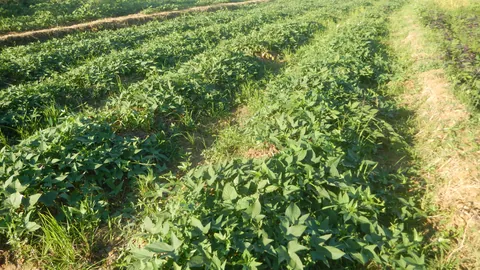
LA 573 Ube: Yield, Maturity and Characteristics
LA 573 is a registered ube variety. It was registered with the National Seed Industry Council in 2007 as NSIC 2007 GY 07. It takes about 7.5 months from planting to harvest, with 11.23 tonnes per hectare on average in the trials.
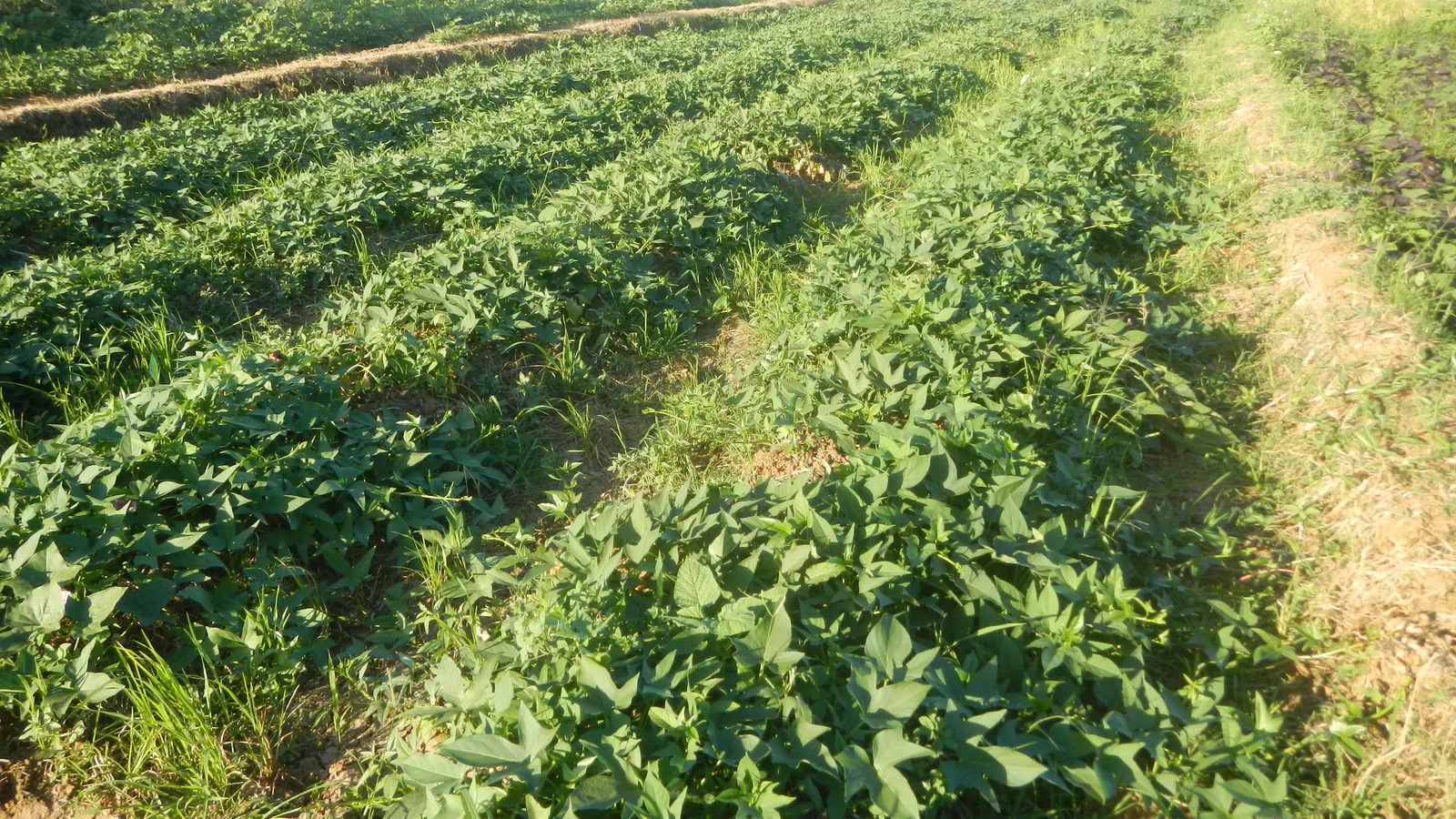
The average and top yields in tonnes per hectare come from the trials each variety went through to be registered with the NSIC, and from what the seed companies say about their own seed.
What farmers harvest today can be different. Newer harvest records, the season, the place, the soil, the water and the care all move these numbers over time.
So use them to compare varieties, not as a promise for your field. Ask your seller or your agriculturist how the variety did on farms near you in the last few seasons.
Compare it with the others in our ube variety finder, or see every crop variety we list. For the crop itself, read our guide: Land preparation for root crops.
- Days to harvest: about 7.5 months from planting to harvest.
- Yield: 11.23 tonnes per hectare on average in the trials.
Key facts about LA 573 ube
| Trait | What the record shows |
|---|---|
| Registration | NSIC 2007 GY 07 |
| Year approved | 2007 |
| Months to harvest | about 7.5 months |
| Average yield | 11.23 t/ha |
| Dry matter content | 22.73 |
| Flesh color | Light Purple |
| Cortex color | Light Purple |
| Skin color | Light Maroon |
How long does it take, and how much does it yield?
LA 573 ube takes about 7.5 months from planting to harvest. That is about the average of the 8 ube varieties with a day count, 7.6 months. Count the months from planting, and plan the harvest for a dry stretch when you can.
Its average yield of 11.23 t/ha trails the average of its group, 16. It sits in the lower quarter of its group. Trial yields come from well managed plots, so your own will depend on water, fertilizer, pests and timing.
Once you know the day count, anee.io dates every task from each lot's own planting day, with the growth stages and weather beside it.
Is it resistant to pests and diseases?
| Pest or disease | Rating | What it means |
|---|---|---|
| Brown leaf spot | Resistant | Held up well |
| Bacterial blight | Highly resistant | Held up very well |
It showed no weak spot in the ratings on record. Still, a resistant variety can break down when a new strain or pest population comes, so keep scouting.
The pests and diseases that hit ube fields most often: anthracnose, mealybug, root knot nematode. Our pest finder and disease finder help you name what you see.
What the root is like
Its roots have light purple flesh and light maroon skin. Dry matter is 22.73 percent. A higher dry matter cooks mealy and gives processors more flour or starch from each tonne.
Where and when to plant LA 573 ube
Processors pay for a deep purple flesh that stays purple when cooked. Pick a registered variety for color and yield, and plant whole small tubers or setts.
Before you buy seed
- Buy sealed packs or tagged sacks from an accredited dealer, and check the packing date and germination rate.
- Ask your municipal agriculturist or nearby farmers how it did in your area last season.
- Try it on a small area first, beside the variety you usually plant, before you switch the whole farm.
- Write down the planting day, inputs and harvest, so you can compare varieties on your own ground. anee.io keeps these records for you.
Set the planting day of each lot and anee.io dates every task to harvest, with the weather beside it. Free on the Libre plan.
Start freeUbe varieties like this one
These are the closest matches among the ube varieties we list. So if seed of this one is hard to find, compare these first.
- LA 526: about 7.5 months, 9.45 t/ha, 2007
- LA 155: about 7.5 months, 15.34 t/ha, 2003
- LA 153: about 7.5 months, 16.81 t/ha, 1997
- Binato Glan: about 7.5 months, 17.25 t/ha, 1994
How long does it take to harvest?
What is its yield?
Where can I buy seed of LA 573?
See how LA 573 will do on your farm
With Libre + Anee, see its full record: how it yields, its strengths and weaknesses against pests, diseases and the weather, and whether it fits your farm, your season and your soil.
The account is free, no credit card.