A guide for Filipino farms

Best Farm Management in the Philippines: Plan, Count, Share.

Good farm management turns the same land, seed and fertilizer into a bigger and safer profit. Here are the six jobs it takes, the plan to follow, the mistakes to avoid, and anee.io, the farm management system that keeps it all in one place.

  • Made for palay, mais, gulay and fruit
  • Every peso counted per lot
  • Free to start
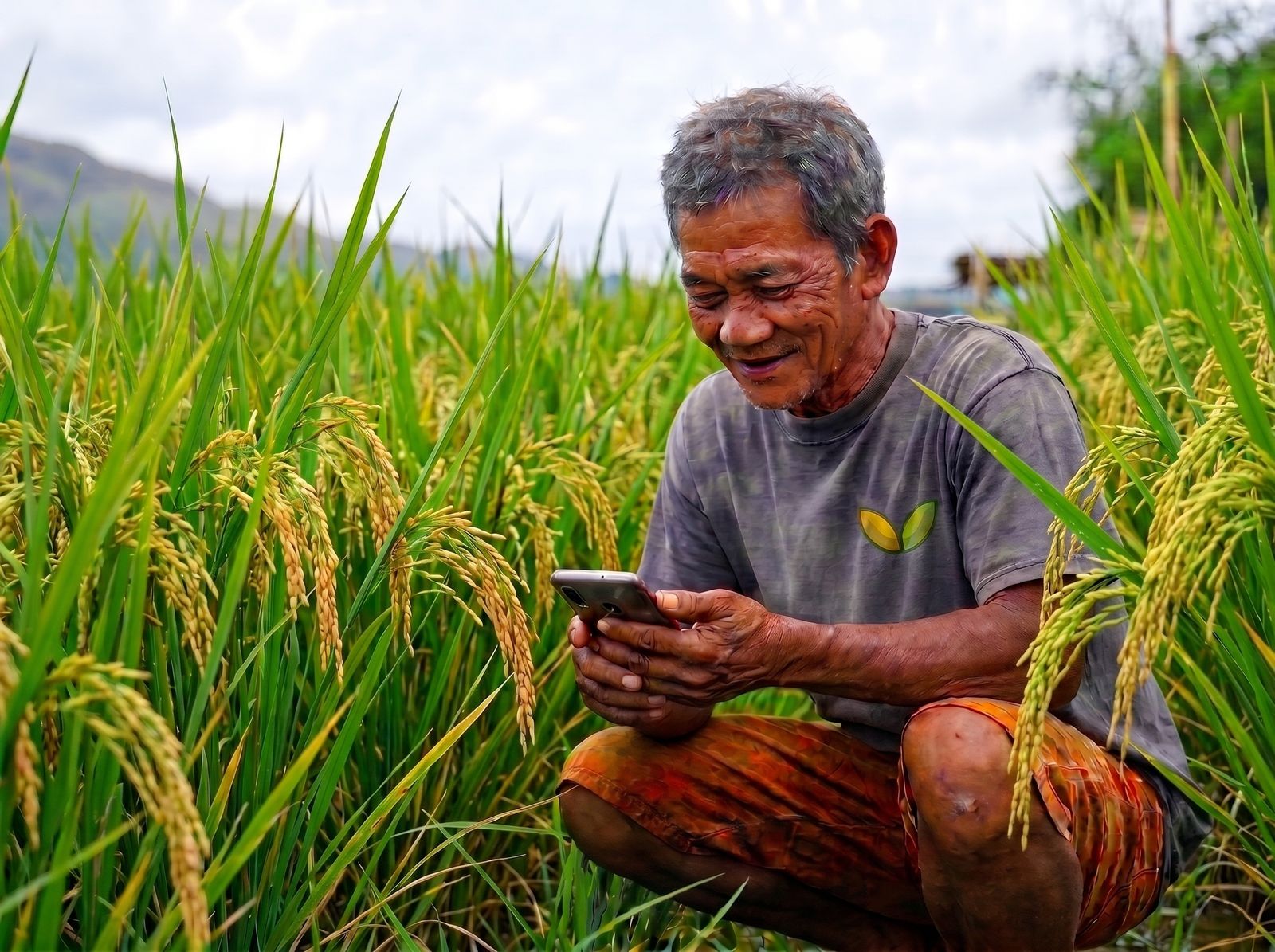
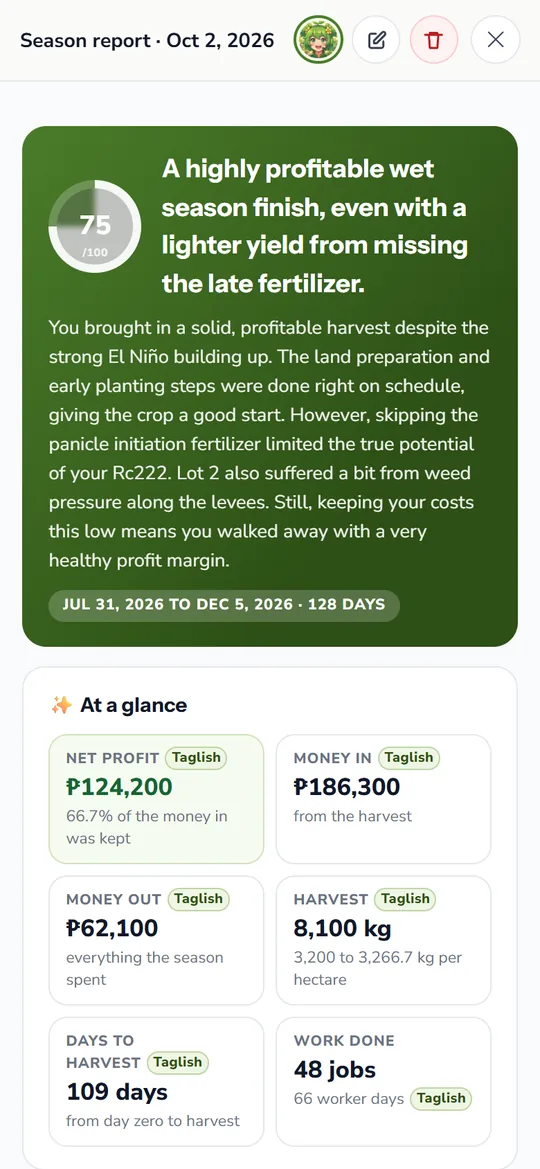
A cropping season in anee.io on a phone, every task dated from the planting day
Plan: DAT 21, top dress today People: 4 workers, payroll set Money: profit per lot Anee: typhoon in 3 days, harvest Lot 1 first
jobs of farm management
6
steps to a farm plan
7
Philippine crops covered
100
tools in one system
64
years of weather per town
20

The short answer

What is the best farm management in the Philippines?

The best farm management in the Philippines comes down to six jobs done on time for every lot: plan the season by the crop's day count, run the work and the inputs on schedule, manage your people fairly, count every peso per lot, guard the crop against weather and pests, and sell at the right time and price. Farms that keep these six jobs in one system manage far better than farms that keep them in memory, notebooks and group chats. anee.io is the farm management system made for this in the Philippines: it dates every task from each lot's planting day, keeps the costs, workers, stock and harvest, reads the weather and typhoons for each lot, and comes with Anee, a smart farm technician who answers in Tagalog, Bisaya, Ilocano or English. It is free to start.

The six jobs

  • Plan the season
  • Run the work on time
  • Manage people fairly
  • Count every peso
  • Guard against weather and pests
  • Sell at the right time

The practice

The Six Jobs of Good Farm Management

Every well run farm does these six, on every lot, every season. Here is the good practice for each, and how anee.io carries it for you.

  1. 1

    Plan the season

    Good practice: Choose the crop, the variety and the planting date for each lot from its soil, its water and the weather ahead. Set the budget before the first peso is spent.

    In anee.ioWhen to Plant and What to Plant Analysis, variety research, the Land Prep Planner and a cropping calendar with every task dated.

    See how
  2. 2

    Run the work on time

    Good practice: Every task on its right day, the inputs bought before they are needed, and what was done written down the same day.

    In anee.ioThe Activities board and today's tasks for each lot, the morning plan by email, and stock taken off as each task is done.

    See how
  3. 3

    Manage people fairly

    Good practice: Clear tasks, fair daily pay, a record of the days each person worked, and a fair share with the katiwala or tenant.

    In anee.ioWorkers with daily rates, days off and payroll, logins with the access you choose, and the Hatian Calculator for the harvest share.

    See how
  4. 4

    Count every peso

    Good practice: Keep farm money apart from household money, write down every expense, and know the cost per kilo and the profit of each lot.

    In anee.ioExpenses, labor and profit reports per lot and season, and Compare Reports to see which season and which lot paid best.

    See how
  5. 5

    Guard against weather and pests

    Good practice: Watch the field every week, plan around typhoons and dry spells, and keep records that support insurance and loans.

    In anee.ioSatellite Weather with typhoon tracks, your town's twenty years of weather, the pest and disease finders, and the Range Effect calendar.

    See how
  6. 6

    Sell at the right time

    Good practice: Know where the price is heading, decide whether to sell wet or dry the harvest first, and keep a list of buyers who pay fairly.

    In anee.ioThe Market Price Forecast, the Benta o Bilad calculator, harvest records with buyers and prices, and the Contact List.

    See how

Step by step

A Farm Management Plan in Seven Steps.

The same plan works for a quarter hectare of gulay and for ten hectares of palay. Do it once, then improve it every season.

  1. 1

    Know your lots

    Write down each field once: where it is, its size, its soil, its water and what grew there last.

  2. 2

    Choose the crop and variety

    Pick what fits each lot and this season's weather, not only what you planted last year.

  3. 3

    Set the calendar

    Date every task from the planting day: land preparation, fertilizer, water, spraying and harvest.

  4. 4

    Make the budget

    Add up seed, fertilizer, labor, hired services and interest before you start, so the money lasts the season.

  5. 5

    Assign the people

    Decide who does what and on which day, and how each one is paid.

  6. 6

    Watch and adjust every week

    Walk the field, compare it with the plan, and move tasks when the rain or a pest says so.

  7. 7

    Review the season

    Count the harvest and the profit per lot, then change one thing for the next season.

  8. Or let anee.io build it

    Add your lot and planting date, and the cropping calendar dates the tasks of the whole season. Anee checks the rest with you.

What to avoid

Farm Management Mistakes That Cost Filipino Farms the Most

None of these needs more land or more money to fix. Each one needs a plan and a record.

Planting by habit

The same date and variety every year, whatever the weather outlook says.

No records

A season kept in memory cannot be compared with the next one.

Farm and home money mixed

Nobody knows if the farm made money, only that the money ran out.

Spraying by the calendar

Sprays on a fixed day kill the friendly insects and waste money.

Selling at the harvest peak

Everyone sells the same week, so the price is at its lowest.

Paying labor by guess

Days worked are not written down, and arguments follow at payday.

Side by side

Memory and Notebooks Beside a Farm Management System

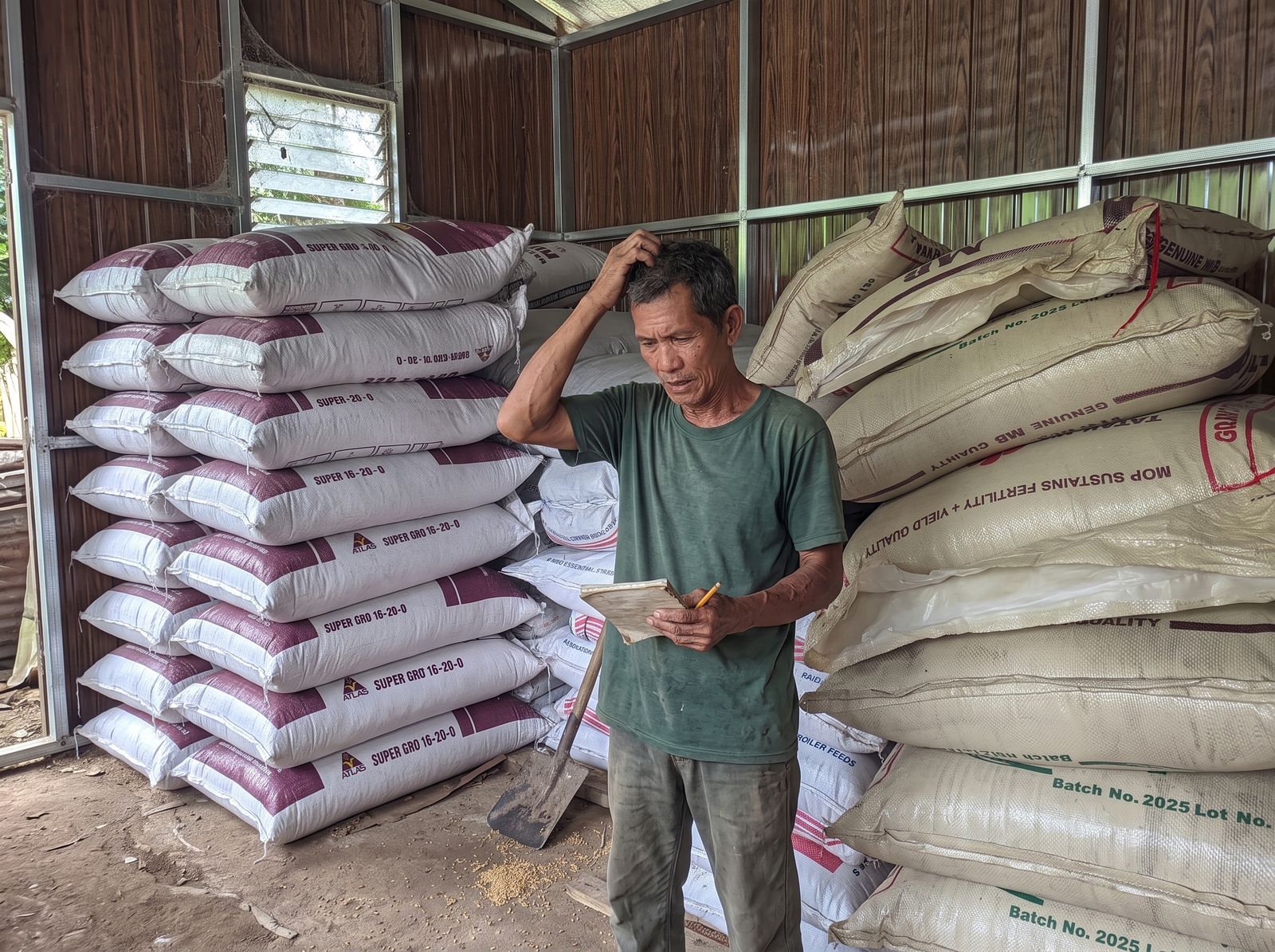
Most farms here are run from memory, a notebook, a spreadsheet or a group chat. Each keeps part of the farm.

Compare with
A farm management system compared with memory and a notebook, a spreadsheet, and group chats
What it does Memory and a notebook A spreadsheet Group chats and a box of receipts anee.io
Season planned by the crop's day count In part:By hand In part:If you build it No:Lost in the thread Yes:Every task dated per lot
Reminders on the right day No:Only if you look No:No In part:If someone posts Yes:Today's tasks and the morning plan
Cost and profit per lot In part:Long hand math In part:Formulas you keep up No:Receipts in a box Yes:Counted for you
Labor days and pay In part:A page per payday In part:By hand In part:Photos of lists Yes:Attendance and payroll
Stock of fertilizer and seed In part:Counted now and then In part:If kept up No:Not kept Yes:Taken off as tasks are done
Weather, typhoons and pests No:Not included No:Not included In part:Shared news Yes:For each lot, with Anee
A history to learn from In part:If the notebook survives In part:If saved No:Hard to find Yes:Seasons side by side
Shared with the owner and the crew No:One copy In part:Files sent around Yes:Everyone sees it Yes:Logins with roles

YesIn part, or with workNo

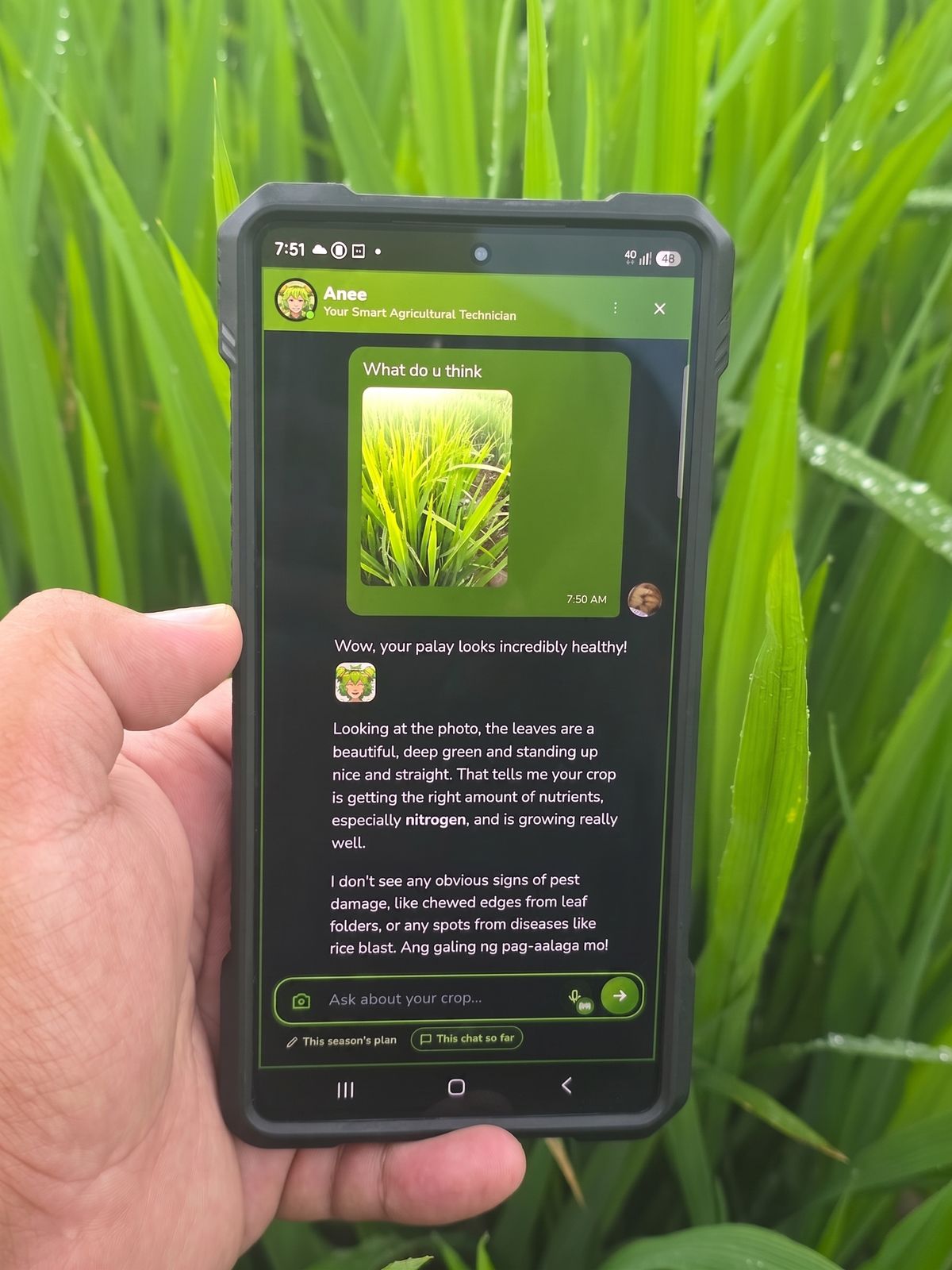
Anee answering a farmer on a phone in the rice field

A farm manager's second pair of eyes

Anee Helps You Manage, Not Only Record.

A good farm manager asks the right questions at the right time. Anee, the smart farm technician in anee.io, asks them with you.

  • Before planting: which crop and variety fit this lot, and the safest week to plant in your town.
  • During the season: what that spot on the leaf is, what to spray if anything, and whether the rain will wash it off.
  • Before selling: where the price is heading, and whether to sell wet or dry the harvest first.
  • After the harvest: what each lot cost and earned, and what to change next season.

Anee comes with Libre + Anee at ₱100 a month and the plans above it. Libre is free forever.

Questions

Farm Management in the Philippines, Answered.

What is the best farm management in the Philippines?

The best farm management in the Philippines comes down to six jobs done on time for every lot: plan the season by the crop's day count, run the work and the inputs on schedule, manage your people fairly, count every peso per lot, guard the crop against weather and pests, and sell at the right time and price. Farms that keep these six jobs in one system manage far better than farms that keep them in memory, notebooks and group chats. anee.io is the farm management system made for this in the Philippines: it dates every task from each lot's planting day, keeps the costs, workers, stock and harvest, reads the weather and typhoons for each lot, and comes with Anee, a smart farm technician who answers in Tagalog, Bisaya, Ilocano or English. It is free to start.

What is farm management?

Farm management is running a farm as a business: deciding what to plant and when, getting the work and the inputs done on time, managing the people, keeping the money straight, guarding against weather and pests, and selling well. Good farm management turns the same land, seed and fertilizer into a bigger and safer profit.

What are the best farm management practices for Filipino farmers?

Plan each lot's season by its day count, plant with your neighbors and on the best date for your town, feed by growth stage and by a soil test, scout every week, keep farm money apart from household money, write down every expense and every day worked, and review the profit per lot after each harvest. Our guide on how to increase crop yield covers the field side.

What is a farm management system?

A farm management system keeps the plan, the tasks, the inputs, the people, the money and the harvest of a farm in one place, so each decision is made from the same records. anee.io is a farm management system made for Philippine farms, on any phone or computer.

How do I make a farm management plan?

Know your lots, choose the crop and variety for each, date every task from the planting day, make the budget, assign the people, watch and adjust every week, and review the season at the end. In anee.io, the cropping calendar builds most of this from your lot and planting date.

How do I compute my farm's profit?

Add every cost of the season for a lot: seed, fertilizer, chemicals, labor, hired machines, irrigation and interest. Subtract it from what the harvest sold for. anee.io does this per lot and per season in its profit report. See also our guide on farm profitability.

Ano ang farm management sa Tagalog?

Pamamahala ng bukid o sakahan. Ito ang pagpaplano kung ano at kailan magtatanim, paggawa ng bawat trabaho sa tamang araw, pag aasikaso ng mga trabahador, pagtatala ng bawat gastos at kita, pagbabantay sa panahon at peste, at pagbebenta sa tamang presyo.

Paano pamahalaan nang maayos ang bukid?

Planuhin ang bawat lote ayon sa DAT o DAS, gawin ang bawat trabaho sa tamang araw, itala ang gastos, sahod at ani, at alamin ang kita ng bawat lote pagkatapos ng anihan. Sa anee.io, nasa iisang lugar ang lahat ng ito, at si Anee ay sumasagot sa Tagalog. Libre itong simulan.

Also read: the best farm management app in the Philippines and the best farm management software in the Philippines.

Manage Your Next Season on anee.io.

Create a free account, add your first lot, and see the plan, the work, the people and the money of your season in one place.

Free forever on Libre. No card, no download, any phone.