

Sweet potato virus disease
Leaves show vein clearing, mosaic or purple veins, turn small, crinkled and misshapen, and vines are stunted with short joints.
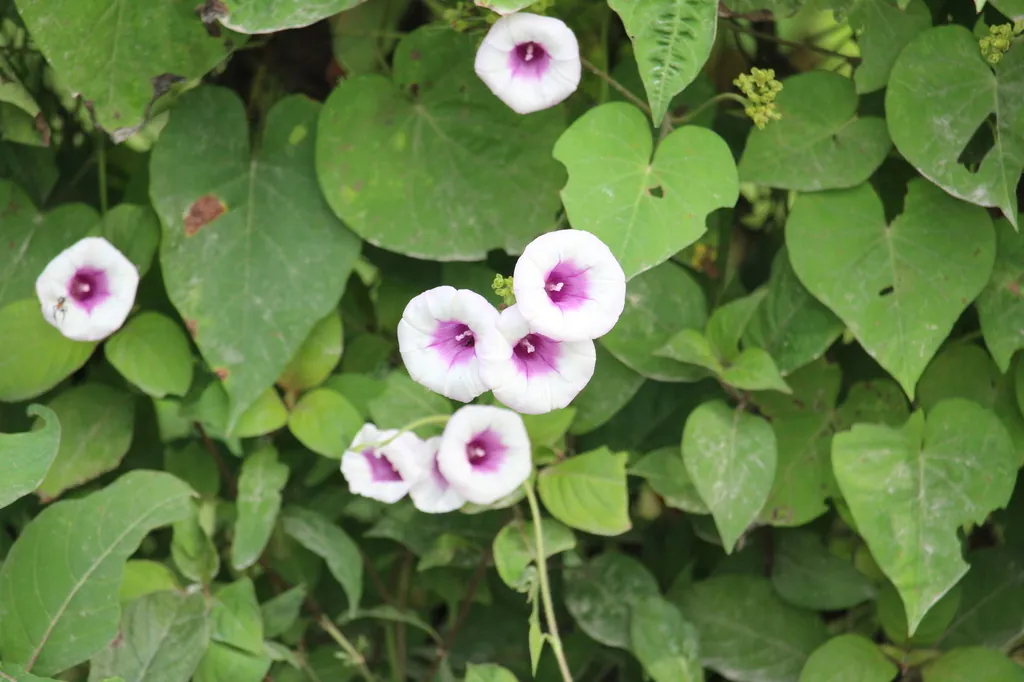
Crops it strikes
What you see
When to act
In the first two months check the planting every two weeks and pull any stunted plant with mottled, yellow veined or crinkled leaves. Spraying the aphids does little, since they pass the virus within seconds. Put the effort into clean cuttings.
Before you spray
No spray cures a virus. Plant clean cuttings, pull out sick plants and volunteers, and keep aphids and whiteflies down.
The insect that spreads it
No spray cures a sick plant. What slows the spread is keeping the aphids down, early, before it carries the disease to healthy plants.
How to prevent it
- Plant cuttings from clean, virus tested nurseries, or from the healthiest plants of your own field.
- Pull sick plants and volunteers early, before the insects carry the virus on.
- Keep new plantings away from old sweet potato fields, and clear morning glory type weeds nearby.
- Renew your planting stock every few seasons instead of cutting from the same old field again and again.
- Grow a tolerant variety where one suits your area.
Natural enemies and biological help
- Ladybirds, lacewings and small parasitic wasps hold aphids and whiteflies down. Avoid broad sprays that kill them.
Not sure it is this one?
Many diseases look alike. Send a photo to Anee, the smart farm technician in anee.io. She reads it with your crop, its age and the weather, and tells you what it most likely is and what to do first. In Tagalog or English.