Tall Utah Celery: Characteristics
Tall Utah celery is an open pollinated celery variety. It is not a registered variety, so the facts here come from its seller and farm sources.
The facts below come from its seller and from farm sources, each one listed at the end. Compare it with the others in our celery variety finder, or see every crop variety we list. For the crop itself, read our guide: vegetables in the Philippines.
- Type: Open pollinated.
Key facts about Tall Utah celery
| Trait | What the record shows |
|---|---|
| Breeder or owner | old public US variety, sold by Allied Botanical |
| Type | Open pollinated |
How long does it take, and how much does it yield?
No day count or trial yield is published for this variety. So ask the seller or your municipal agriculturist for figures from farms near you before you plan a season around it.
Once you know the day count, anee.io dates every task from each lot's own planting day, with the growth stages and weather beside it.
Is it resistant to pests and diseases?
No pest or disease ratings are published for this variety. So treat it as untested, and scout every week.
The pests and diseases that hit celery fields most often: bacterial soft rot, Cercospora leaf spot, cutworm, damping off, leafminer. Our pest finder and disease finder help you name what you see.
What its seller and farm sources say
- Fruit: Stalks: long, dark green, thick and firm, on an upright, compact plant.
- Aromatic.
- Vigorous.
Why farmers know it: Allied Botanical sells it in 50 g cans for growers, no independent evidence found. These are the seller's own figures, from its own trials. So plant a small area first, and compare it with your usual celery on the same ground.
Where and when to plant Tall Utah celery
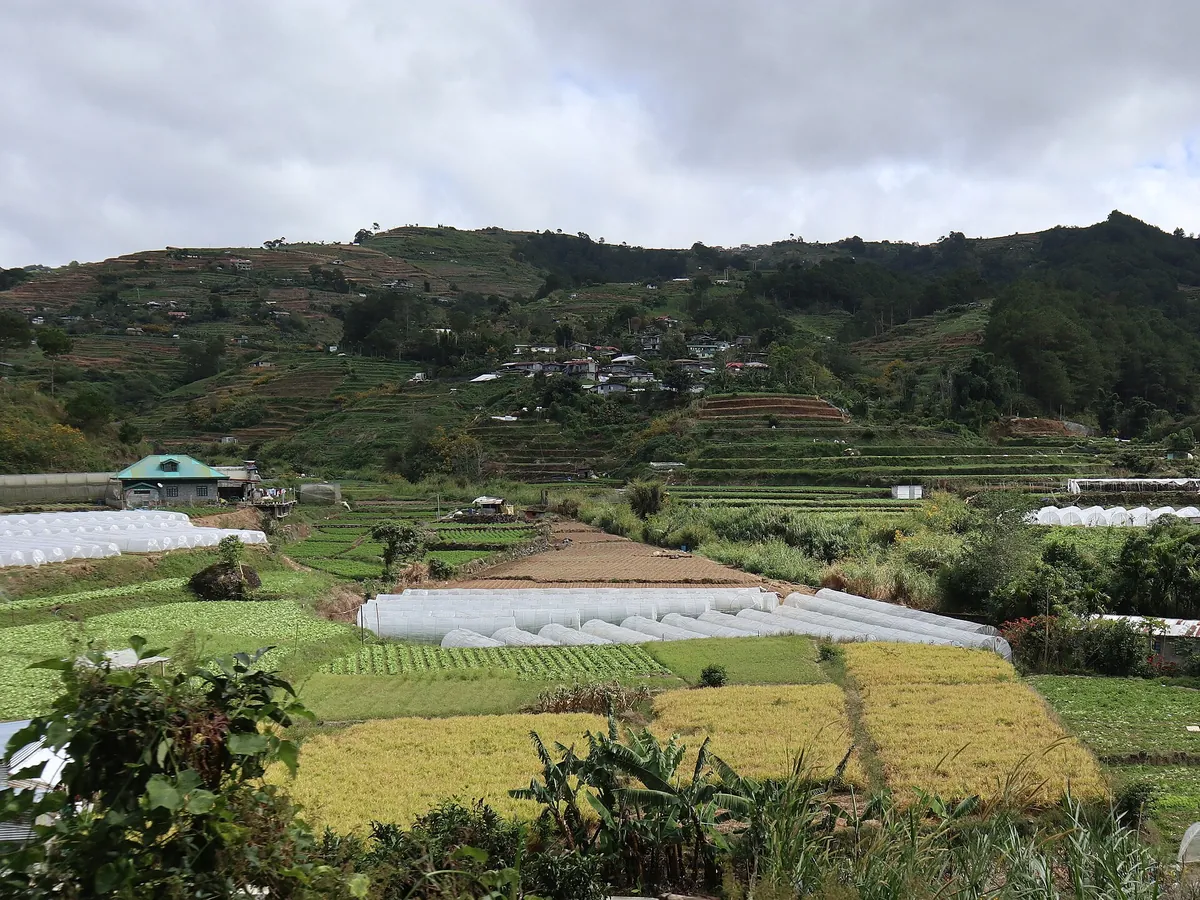
Kintsay grows best in cool weather, so most of it comes from the highlands. Pick a variety by stalk or leaf: the big stalk celery for the market, or the small leafy Chinese kind for soups. Before planting, get the field ready with our guide: Pagtatanim ng gulay.
Before you buy seed
- Buy sealed packs or tagged sacks from an accredited dealer, and check the packing date and germination rate.
- Ask your municipal agriculturist or nearby farmers how it did in your area last season.
- Try it on a small area first, beside the variety you usually plant, before you switch the whole farm.
- Write down the planting day, inputs and harvest, so you can compare varieties on your own ground. anee.io keeps these records for you.
Set the planting day of each lot and anee.io dates every task to harvest, with the weather beside it. Free on the Libre plan.
Start freeCelery varieties like this one
These are the closest matches among the celery varieties we list. So if seed of this one is hard to find, compare these first.
Can I save its seed?
Where can I buy seed of Tall Utah?
See how Tall Utah will do on your farm
With Libre + Anee, see its full record: how it yields, its strengths and weaknesses against pests, diseases and the weather, and whether it fits your farm, your season and your soil.
The account is free, no credit card.