Why Fertilizer Is Important in Agriculture
Here is why fertilizer is important: every harvest carries nutrients out of your field, in the grain, the fruit and often the straw. The soil holds only so much, and it does not refill itself fast enough to keep up with two crops a year. Fertilizer puts those nutrients back, so the next crop yields as well as the last one. Used with care, it is also one of the cheapest ways to raise your harvest per hectare.
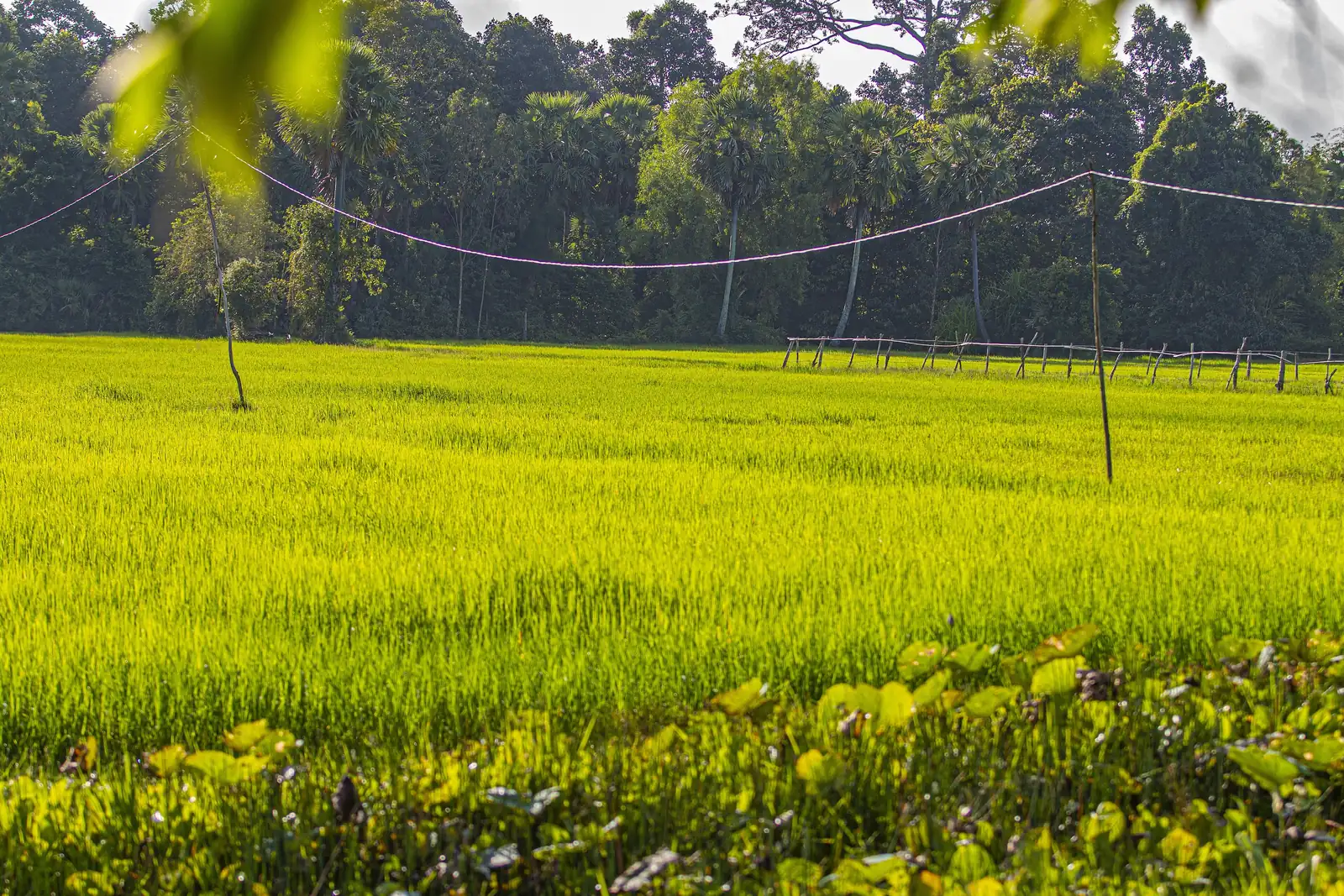
Ask an old farmer and you will hear the same story. The first seasons on a new field gave a big harvest with little fertilizer. Then each year gave a little less, until the field needed abono just to stay where it was.
That story is the whole reason fertilizer exists. This guide explains what fertilizer does in agriculture, what happens when a field goes without it, and why more is not always better. If you are new to the word, read what is fertilizer first.
Why fertilizer is important: the short answer
- Harvests remove nutrients. Grain, fruit and straw all carry nitrogen, phosphorus and potassium away from the field.
- Soils differ. Some fields are low in a nutrient from the start, like phosphorus in many acid upland soils.
- Modern varieties yield more. A variety that can give 6 tons of palay needs more food than one that gives 3.
- Two crops a year is fast. The soil cannot rebuild its supply between a dry season crop and a wet season crop.
What a harvest takes from the soil
Think of the soil as a bank account. Each harvest makes a withdrawal. For example, a rice crop takes up roughly 15 to 18 kilograms of nitrogen for every ton of palay it makes, counting the grain and the straw. It takes a similar amount of potassium and a smaller amount of phosphorus.
So a 5 ton harvest moves a lot of nutrients off the field. If you burn or haul away the straw, even more potassium leaves with it. That is why fields where straw is removed every season often run short of potassium first.
Rain, irrigation water, decaying roots and soil minerals all release some nutrients each season. On a good lowland field that natural supply can carry a modest crop. But a high yield always needs more than the soil gives on its own.
The role of fertilizer in agriculture
Fertilizer in agriculture does more than feed one crop. It keeps whole farming areas productive year after year. Without it, the same land would feed far fewer people, and farmers would need to clear more land to grow the same food.
For a single farm, the role is simpler. Fertilizer is often the input that gives back the most for each peso spent, as long as it goes on at the right time and rate. Our guide on increasing rice yield per hectare shows how fertilizer fits with seed, water and pest control.
What happens when a field goes without fertilizer
Crops rarely die from a lack of fertilizer. Instead, they quietly yield less. The plant shows it first in the leaves, then in fewer tillers, shorter panicles and lighter grain.
- Low nitrogen: pale, yellowing older leaves and fewer tillers. See yellow rice leaves.
- Low phosphorus: stunted, dark plants with weak roots and late maturity.
- Low potassium: brown leaf edges, weak stems that lodge, and more disease.
- Season after season: the soil supply runs down, so each harvest is smaller than the last.
Our guide to nutrient deficiency in rice shows each sign with photos and what to apply.
Fertilizer is important, but more is not better
Every bag past what the crop can use is money lost. Too much nitrogen makes rice lush and soft, so it lodges in strong wind and attracts planthoppers. Extra fertilizer also washes into canals and rivers, where it feeds algae instead of your palay.
The answer is balance, not a bigger dose. Get a soil test from your Municipal Agriculture Office when you can, then match the grade and rate to what your field lacks. Our guides on balanced fertilization for rice and lower fertilizer cost show how.
Organic and inorganic together
Organic fertilizer builds the soil, while inorganic fertilizer feeds the crop fast. Most farms do best with some of both. Our comparison of organic vs inorganic fertilizer and our list of organic fertilizer benefits explain how to mix them.
How to make every bag count
Know your soil
A soil test tells you which nutrient is short. Without one, follow the usual rate for your crop and watch the leaves.
Pick the right grade
Complete, urea, ammonium sulfate or potash each fill a different need. Our guide on fertilizer for rice compares them.
Apply at the right stage
Split the nitrogen across the stages when the crop uses it most. See fertilizer timing by growth stage.
Place it well
Basal, broadcast, banded or foliar each suit a different job. Our guide on fertilizer application methods explains them.
Keep a record
Write down what went on, when, and what you harvested. Then next season you know what paid off.
anee.io does the remembering for you. The cropping calendar dates every fertilizer task from each lot's own planting day. The inventory tracks every bag you buy and use. With Libre plus Anee at PHP 100 a month, the NPK Plus calculator works out how much each lot needs, and Anee, the smart farm technician, answers your questions in Tagalog or English.
Let anee.io date every fertilizer application from your planting day, and track every bag in the inventory.
See the NPK Plus calculator