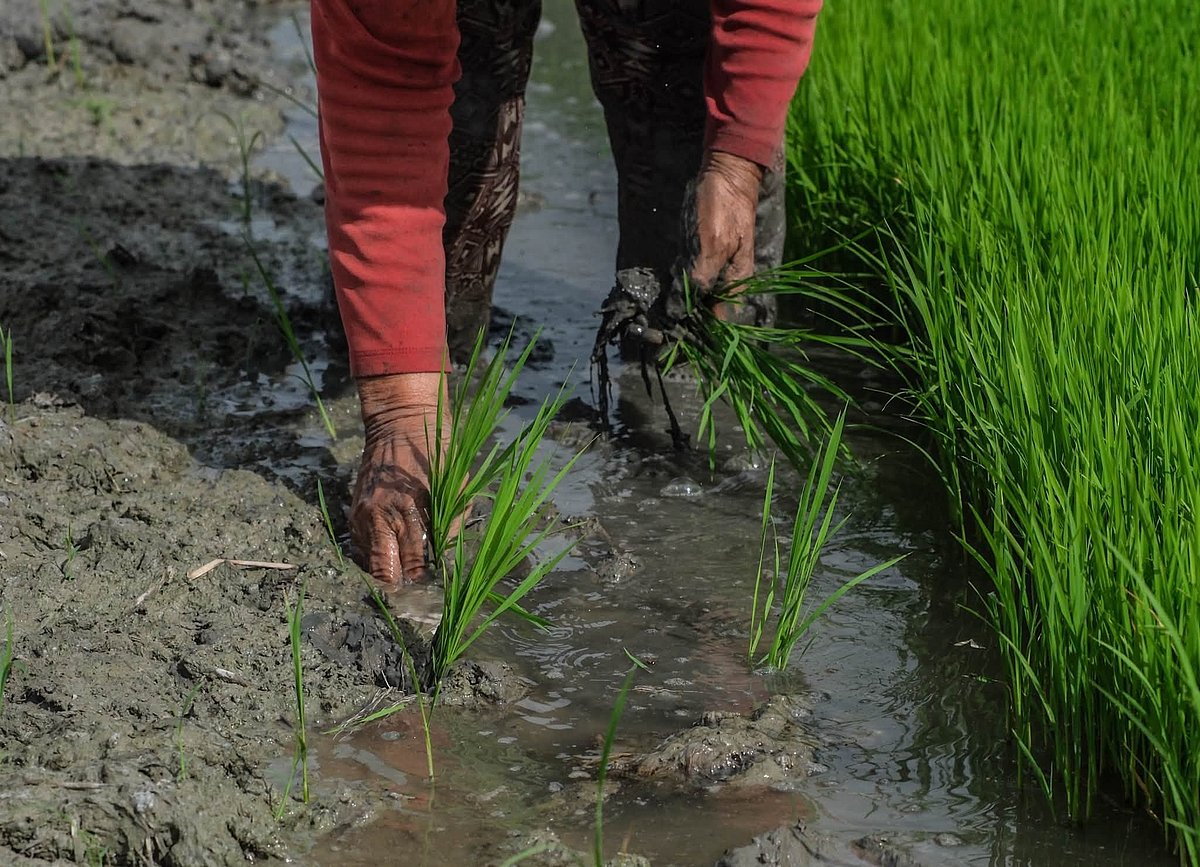
Fertilizer in Tagalog: Abono, Pataba and the Words Farmers Use
The usual word for fertilizer in Tagalog is abono. Farmers also say pataba, from the root taba, which means fat or rich, because fertilizer makes the soil rich. In the field you will hear both, often mixed with English names like urea, complete and potash. This guide lists the Tagalog fertilizer words farmers really use, with what each one means.
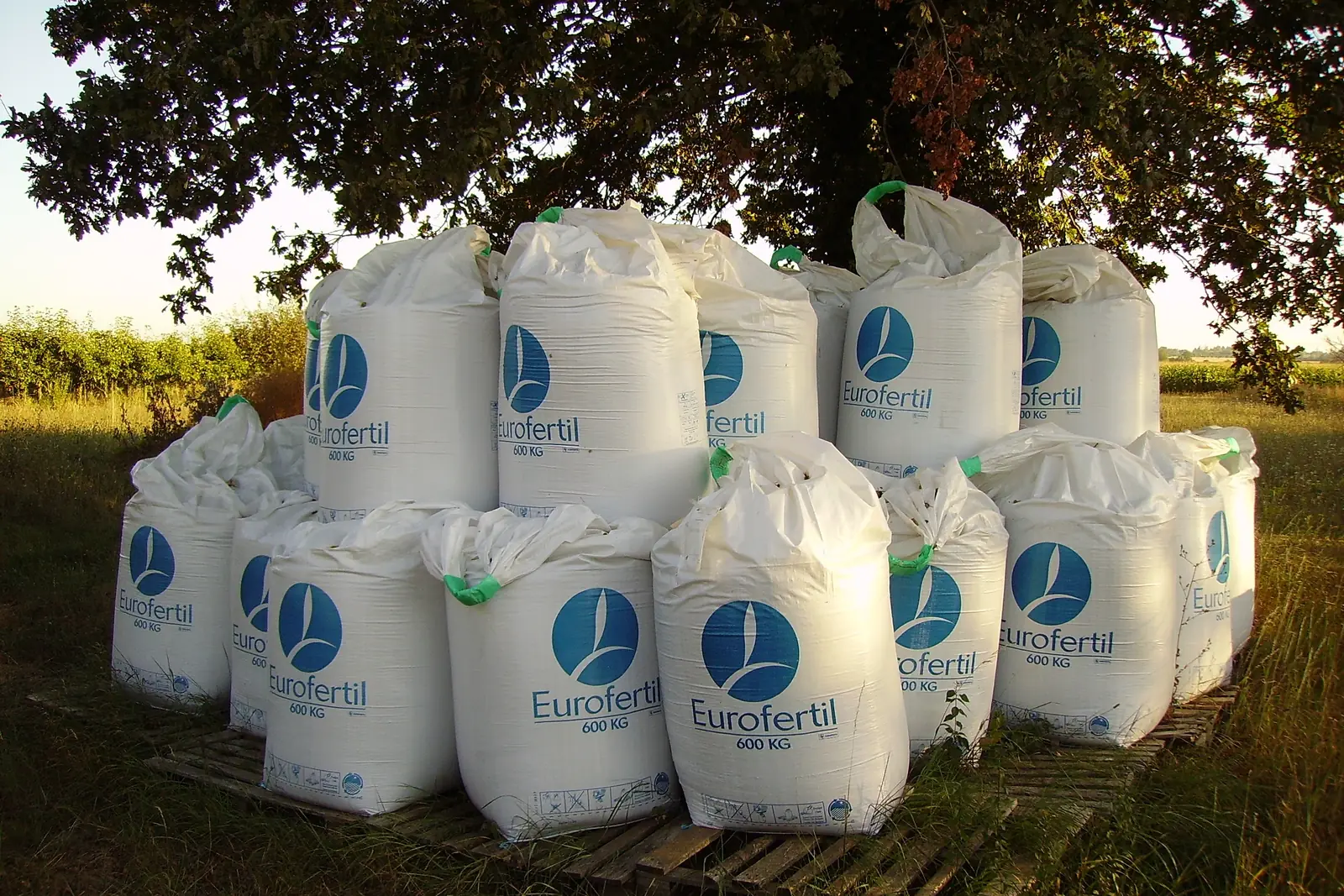
Ask a farmer in Nueva Ecija about fertilizing and you may hear, "Mag aabono ako sa Lunes." Ask what they will use and they will likely name it in English: urea, complete or ammosul. That mix of Tagalog and English is how fertilizer is really talked about on Filipino farms.
So this guide gives you both: the Tagalog words, and the English names that farmers use beside them. For more farm words, see our guide to farm words in Tagalog.
Fertilizer in Tagalog: abono and pataba
Abono comes from the Spanish word for fertilizer, and it is the word most farmers use for any fertilizer, especially the kind sold in sacks. Pataba comes from taba, so it means something that makes the soil rich. Many people use pataba most for natural fertilizer like manure and compost, but it can mean any fertilizer.
The verbs follow the nouns. You will hear mag abono, to fertilize, and nag abono, fertilized. Paglalagay ng abono means applying fertilizer.
The same root taba gives other farm words. Matabang lupa means fertile soil, dark and rich. Patabain ang lupa means to make the soil rich, which is the whole reason for adding abono or compost. And when a crop turns lush and dark green after fertilizing, farmers often call it mataba, the same word used for a well fed animal.
Tagalog fertilizer words, with their English meanings
| Tagalog or farm word | English | Note |
|---|---|---|
| Abono | Fertilizer | The everyday word, from Spanish |
| Pataba | Fertilizer, often natural | From taba, rich |
| Organikong abono | Organic fertilizer | Compost, manure, vermicast |
| Abonong kemikal | Chemical or inorganic fertilizer | Sack fertilizers like urea and complete |
| Ipot ng manok | Chicken manure | A rich organic fertilizer |
| Dumi ng hayop | Animal manure | Cow, carabao, goat and hog manure |
| Kompost | Compost | Rotted crop waste and manure |
| Sako ng abono | Bag or sack of fertilizer | Usually 50 kilograms |
| Unang abono | Basal fertilizer | The first application, at planting |
| Sabog | Broadcast | Spreading fertilizer by hand over the field |
The English names farmers keep
Most sack fertilizers keep their English or trade names, even in a Tagalog sentence. That is why it helps to know what each name means.
- Urea: the white nitrogen fertilizer, 46 0 0. See urea fertilizer.
- Complete: 14 14 14, with equal nitrogen, phosphorus and potassium. See complete fertilizer 14 14 14.
- Ammosul: ammonium sulfate, 21 0 0. See ammonium sulfate.
- Ammophos or 16 20 0: a phosphorus rich basal fertilizer. See 16 20 0 fertilizer.
- Potash or 0 0 60: muriate of potash. See potash fertilizer.
- Foliar: liquid fertilizer sprayed on the leaves. See foliar fertilizer.
Questions farmers ask, in Tagalog and English
| Tagalog | English | Where to find the answer |
|---|---|---|
| Ilang sako ng abono sa isang ektarya? | How many bags of fertilizer per hectare? | Bags of fertilizer per hectare |
| Kailan mag aabono sa palay? | When do I fertilize palay? | Fertilizer timing by growth stage |
| Bakit naninilaw ang dahon? | Why are the leaves turning yellow? | Yellow rice leaves |
| Magkano ang urea ngayon? | How much is urea now? | Fertilizer price in the Philippines |
Each answer has its own guide: bags of fertilizer per hectare, fertilizer timing by growth stage, yellow rice leaves and fertilizer price in the Philippines.
Weeds and grass in Tagalog
Fertilizer and weeds go together, because weeds steal the abono you put down. In Tagalog, both weeds and grass are called damo. Farmers name each weed by its own local name too, like bayakibok for barnyard grass, mutha for purple nutsedge and makahiya for the sensitive plant. Our guide on common weeds in the Philippines lists them with photos.
You do not need perfect English to get good fertilizer advice. Ask in Tagalog, Taglish or English, using the words you already use in the field.
Ask Anee in Tagalog
Anee, the smart farm technician in anee.io, answers in Tagalog or English, the way you ask. Ask "Kailan ako mag aabono?" and Anee reads your lot's planting day, crop stage and weather before answering. The cropping calendar then puts each fertilizer application on its date. Read more about our Tagalog farm app.
Anee answers your fertilizer questions in Tagalog or English, using your own lots, stages and weather.
Meet Anee