Top Dressing Fertilizer: When and How to Apply It
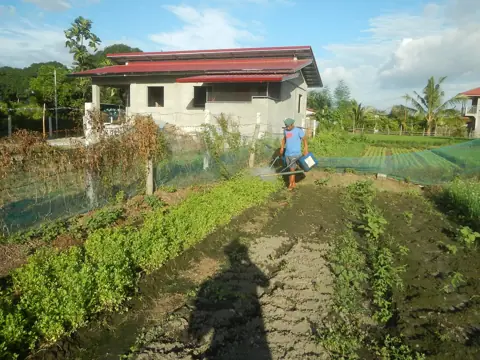
Top dressing fertilizer is fertilizer you spread on a crop that is already growing, instead of mixing it into the soil at planting. Farmers top dress to feed the crop at the stages when it uses the most, usually with nitrogen. For palay, the usual top dressings fall at active tillering and at panicle initiation. For corn, they fall a few weeks after planting and again before tasseling.
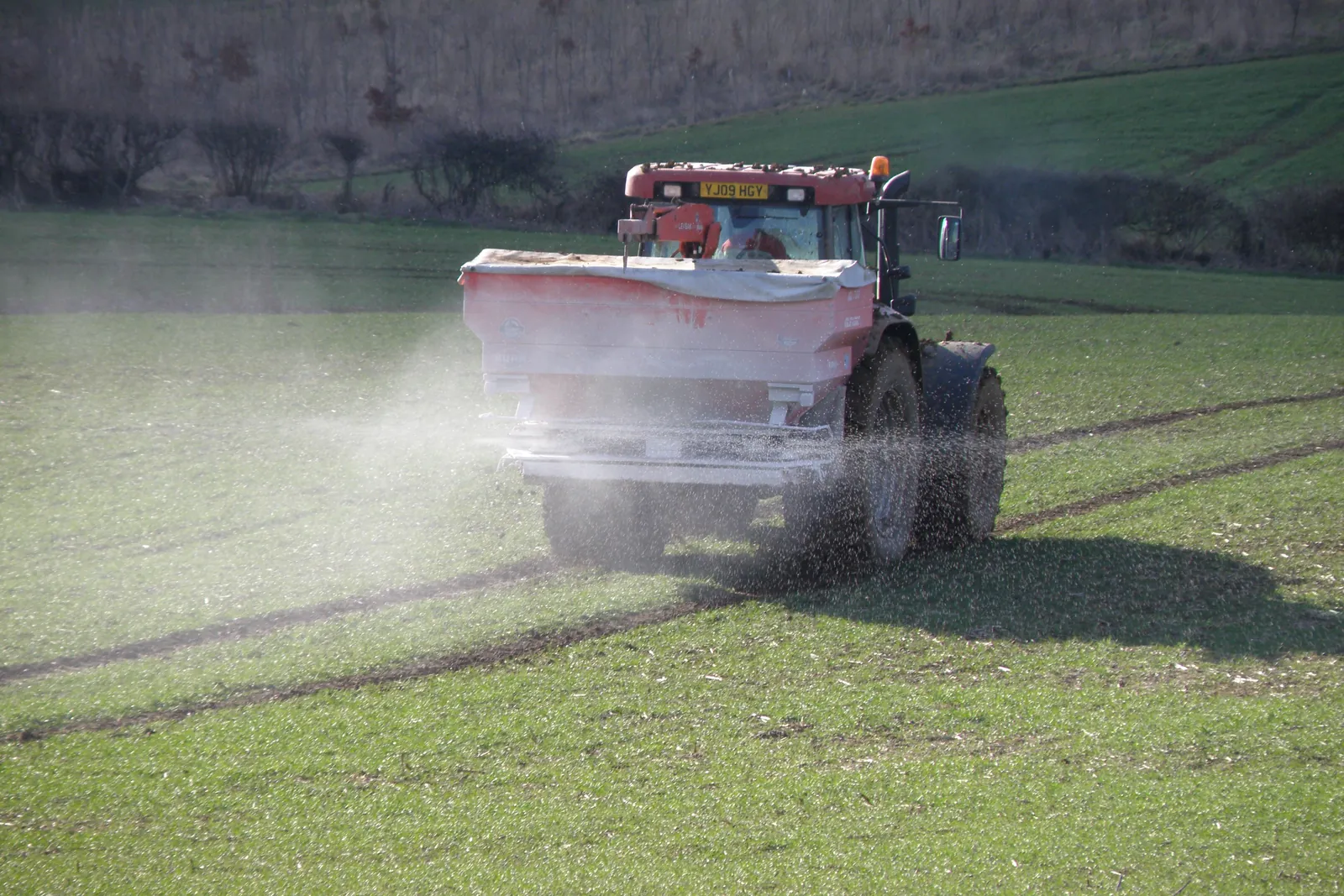
A crop does not eat all its food on the first day. It uses a little while young, a lot while it grows fast, and then it shifts its food into grain. So putting all the fertilizer in at planting wastes much of it, because rain and water carry it away before the crop needs it.
Top dressing solves that. You split the fertilizer and give each part when the crop can use it. This guide explains when to top dress, which fertilizer to use, and how to do it without waste.
Basal application and top dressing fertilizer
The first fertilizer, at or just before planting, is the basal application. It is usually a complete or phosphorus rich grade worked into the soil, so young roots find phosphorus and potassium close by.
Everything after that is top dressing. In upland crops planted in rows, like corn, farmers often place it beside the row and call it side dressing. Both words mean the same idea: feeding the crop while it grows. Our guide on fertilizer application methods covers broadcast, band and foliar methods in more detail.
When to top dress rice
| Stage | About when | What it does |
|---|---|---|
| Active tillering | About 20 to 25 days after transplanting | More tillers, so more panicles per hill |
| Panicle initiation | About 40 to 45 days after transplanting, or 60 days before harvest | Bigger panicles with more grains |
| Late boost (optional) | Around flowering, only if the leaves turn pale | Helps grain filling |
These days shift with the variety and the season. So go by the crop stage, not the calendar alone. Our guides on fertilizer for rice tillering and fertilizer for rice grain filling explain each stage. A leaf color chart tells you whether the plants need nitrogen at all before you spend on it.
When to top dress corn
- First side dressing: about 20 to 30 days after planting, when the plants have several leaves and start to grow fast.
- Second side dressing: before tasseling, often around 40 to 45 days after planting for many hybrids.
- Always on moist soil: hill up or cover the fertilizer, because urea left on dry soil loses nitrogen to the air.
Corn takes up most of its nitrogen in the weeks before tasseling. A crop that runs short then gives small ears with missing kernels. See our guide to increasing corn yield per hectare for the full program.
Which fertilizer to use for top dressing
Top dressing is mostly about nitrogen, because the crop needs it all season and it washes away fastest. Potassium joins it on soils that are short of potassium, especially at panicle initiation in rice.
| Fertilizer | Grade | Best use |
|---|---|---|
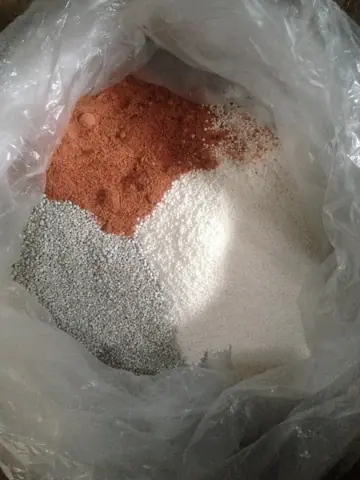
| Urea | 46 0 0 | The usual nitrogen top dressing for rice and corn |
| Ammonium sulfate | 21 0 0 with sulfur | Nitrogen plus sulfur, good on sulfur poor or alkaline soils |
| Muriate of potash | 0 0 60 | Added at panicle initiation where potassium is low |
| Complete | 14 14 14 | Sometimes used on vegetables as a side dressing |
Read more in our guides on urea fertilizer, ammonium sulfate and potash fertilizer.
How to top dress without wasting fertilizer
Lower the water in rice
Drain the paddy to a thin layer or saturated soil, broadcast the fertilizer, then let the water back in after a day or two. That way the fertilizer works into the soil instead of floating away.
Never top dress before heavy rain
A downpour right after spreading can wash it into the canal. Check the forecast first, and see our guide on rain before spraying.
Spread evenly
Uneven spreading gives patches of tall, lodging rice beside pale, hungry rice. Divide the bags by area and walk in lanes.
Keep it off wet leaves
Granules stuck on wet leaves can scorch them. Spread when the leaves are dry.
Heavy nitrogen top dressing late in the season makes rice soft and lush. It lodges more easily and draws planthoppers and sheath blight. Stop the nitrogen once the panicles are out, unless the leaves are clearly pale.
Never miss a top dressing date
Top dressing works only on time, and the date is different for every lot. In anee.io, the cropping calendar counts the days after transplanting or sowing for each lot and puts every top dressing on the right day. The weather forecast for each lot shows when rain is coming. The inventory records each bag you use, so you know your fertilizer cost per lot. Anee, the smart farm technician, can also look at a photo of your crop and tell you whether it needs nitrogen now.
Set your planting date and anee.io dates each top dressing for every lot, with the weather beside it.
See the cropping calendar