Organic Farming in the Philippines: What It Is, What It Allows and How to Start
Organic farming grows crops without synthetic fertilizers, synthetic pesticides or genetically modified seed. Instead, it feeds the soil with compost, manure and green manure. It keeps pests down with rotation, natural enemies and approved natural sprays. Here is what it allows, how certification works in the Philippines, and how to start without losing your harvest.
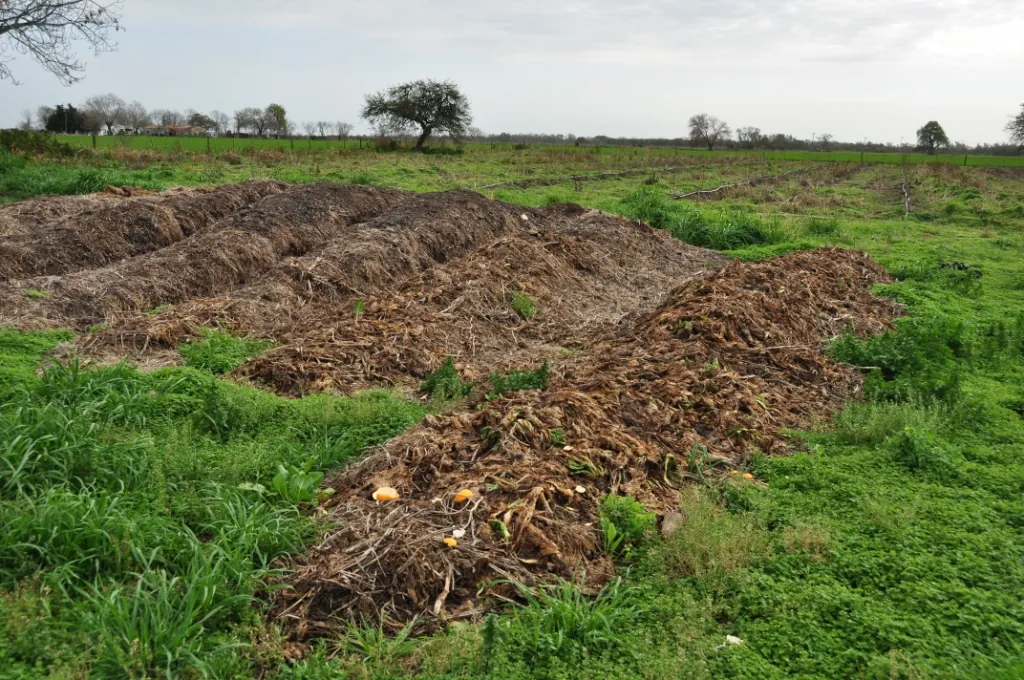
Organic agriculture is not the same as simply skipping fertilizer. A field left unfed gives a poor crop, organic or not. Real organic farming is a planned system that builds the soil so the crop can feed from it, season after season.
Many Filipino farmers already use parts of it, such as vermicast, fish amino acid and rice straw mulch. Organic farming in the Philippines turns those habits into a full system. And if you want the organic label, it turns them into a certified one.
What is organic farming?
Organic farming is a way of growing food with what the farm and nature provide, instead of factory made chemicals. Its main tools are living soil, a mix of crops and natural pest control. The soil comes first, because soil rich in organic matter releases nutrients slowly, holds water and keeps roots healthy.
The country has a law for it, the Organic Agriculture Act of 2010, amended in 2020. It sets the rules for what may be sold and labeled as organic.
What organic farming allows and does not allow
| Allowed | Not allowed |
|---|---|
| Compost, vermicast and well rotted animal manure | Urea, complete fertilizer and other synthetic fertilizers |
| Green manure and cover crops | Synthetic insecticides, fungicides and herbicides |
| Natural minerals such as agricultural lime and rock phosphate, within the standard's limits | Genetically modified seed and planting material |
| Botanical and microbial sprays that the standard lists | Synthetic plant growth regulators |
Every certifier works from a written standard with a list of allowed inputs. So before you buy anything sold as organic, check that it is on your certifier's list. Our examples of organic fertilizer cover the common ones on Philippine farms.
Feeding the soil: compost and green manure
Organic fertilizer carries far less nutrient per sack than urea or 14 14 14. That means an organic farm needs much more of it, made on the farm where possible. Our comparison of organic vs inorganic fertilizer shows how wide that gap is.
- Compost. Pile crop waste, manure and green leaves in layers, keep the pile moist, and turn it every week or two. A Trichoderma fungus activator speeds it up.
- Vermicast. Earthworms such as the African night crawler turn farm waste into fine castings, a favorite for vegetables.
- Green manure. Grow a legume such as mungbean, Sesbania or sunn hemp, then plow it under at early flowering. In palay, the water fern azolla adds nitrogen to the paddy.
- Animal manure. Chicken, hog, goat and cattle manure all work, but compost them first so they do not burn roots or carry weed seeds and germs.
- Fermented brews. Fish amino acid and fermented plant juice are popular foliar feeds in natural farming. They carry little nutrient, though, so they add to compost rather than replace it.
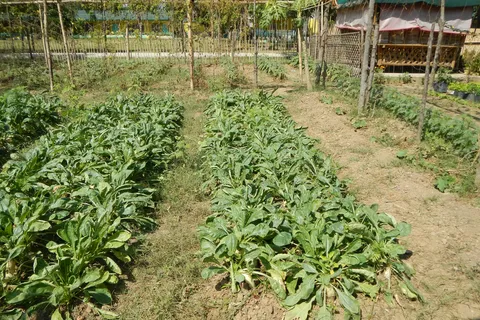
For leafy greens, see the best organic fertilizer for pechay.
Pest control without synthetic sprays
Organic pest control starts before any pest shows up, because healthy, well spaced plants on balanced soil suffer less. The rest follows the same thinking as integrated pest management. Scout often, know the pest, and act only when the damage will cost more than the control.
- Rotate crops of different families, so a pest that lives on one crop finds nothing the next season.
- Keep flowers and grassy borders, so the spiders, lady beetles and wasps that eat pests have a home.
- Use yellow sticky traps and fruit fly traps, and bag fruits like ampalaya and mango.
- Release natural enemies where you can get them, such as Trichogramma wasps against corn borer.
- Pick off snails, caterpillars and beetles by hand, and pull out sick plants early.
- Spray only what the standard allows, such as the microbial insecticide Bacillus thuringiensis against caterpillars.
Buy only pest control products registered with the FPA, check that your certifier allows them, and follow the label. Homemade brews can burn leaves too, so test a few plants first.
Organic certification in the Philippines
You may farm organically without a certificate. But to sell your produce as organic, the law requires certification, and there are two routes.
In third party certification, an accredited certifying body inspects your farm and your records. It suits bigger farms and exporters. Since the 2020 amendment, small farmers may also use a participatory guarantee system, or PGS. Here a local group of farmers, buyers and others checks each member's farm together. It costs less and mostly serves local markets.
Either way, expect a conversion period before your harvest can carry the label. Also keep records of every input, every field and every sale, because the certifier will ask for them. Your certifier sets the exact rules.
The honest tradeoffs
Organic farming is not a sure way to earn more. Yields usually drop in the first seasons after you stop synthetic fertilizer. Some crops come close to their old yields once the soil improves, while others stay lower. How much depends on the crop, the soil and how well you manage nutrients.
Prices can be higher, but only with buyers who pay for organic. Think of a weekend market, a restaurant, a store or regular customers. At the usual trading post, organic produce often fetches the ordinary price. Labor also rises, since compost, hand weeding and scouting all take time.
On the plus side, input costs can fall and the soil grows richer over the years. Your family and workers also handle no synthetic poisons. So work out your own numbers before you switch a whole farm. Our guide to farm profitability shows how.
How to start organic farming, step by step
Start with one lot
Pick a small area, ideally a vegetable plot that sells near home. Keep the rest of the farm on your usual practice while you learn.
Build the soil first
Make compost and add it every season. Get a soil test at the Municipal Agriculture Office so you know what is lacking, and lime acidic soil.
Cut synthetic inputs bit by bit
Each season, replace part of your fertilizer with compost and manure. Then swap synthetic sprays for scouting, traps and allowed products.
Find your buyers
Before the harvest, talk to buyers who want organic produce. Ask what they pay and what proof they need.
Keep records from day one
Write down every input, where it came from and the date you used it. Certifiers ask for these records, and they also show you what works.
Decide on certification
Once the system works and buyers want the label, join a PGS group or call a certifier.
Run an organic season in anee.io
Organic farming lives on records, and anee.io keeps them in one place. Plan the season in the Protocol Builder, with compost, green manure and allowed sprays as materials. Then turn it into a cropping calendar for your lot, with each task dated from its day zero.
On the paid plans, the inventory tracks how much compost and other inputs each activity used. Save photos and notes from every field visit, so you have proof of what you did and when. And when a pest appears, send a photo to Anee, the smart farm technician, who answers in Tagalog or English.
Sign up free, add your lot and date every compost, green manure and scouting task on one calendar.
Start free