Problems in Agriculture: What Filipino Farmers Face and What Helps
The biggest problems in agriculture in the Philippines are typhoons and dry spells, pests caught too late, costly inputs and debt, low farmgate prices, small farms, aging farmers and too little technical advice. No single fix covers them all. Still, each one has steps a farmer can take this season, and this guide lists them.
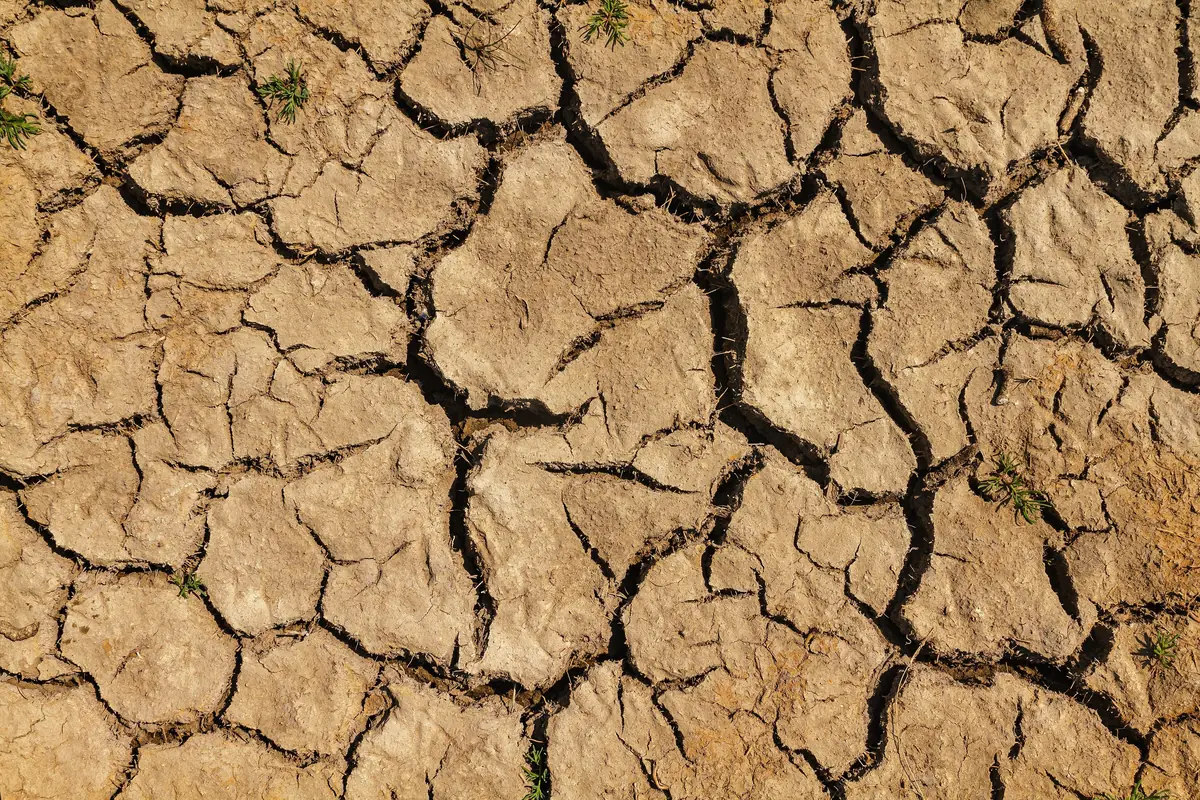
Most agricultural problems feed each other. A typhoon flattens the crop, so the farmer borrows to replant. Then the loan pushes a quick sale at harvest, when the price is lowest.
So the goal is not to fix everything at once. It is to find the problem that cost you the most last season, and to work on that one first.
What are the main problems in agriculture in the Philippines?
| Problem | What it does to the farm | What helps first |
|---|---|---|
| Typhoons and floods | Flattened or drowned crops, lost harvests | Plant in a safer window, harvest early when a storm comes |
| El Nino dry spells | Late rains, stunted crops, empty canals | Shorter varieties, water saving, crops that need less water |
| Pests and diseases found late | Damage spreads before anyone sprays | Walk the field every week and act early |
| High input costs and debt | Thin margins, loans at high interest | Soil test, right rate, and a record of every peso |
| Low farmgate prices | Selling wet palay at the harvest peak | Dry and store, sell together, know your cost per kilo |
| Small, split farms | Machines and bulk buying cost more per hectare | Farm with neighbors, hire machine services |
| Aging farmers, scarce labor | No crew at transplanting or harvest | Mechanize the hardest jobs, plan crews ahead |
| Poor records | No way to tell which lot lost money | Write down costs, yield and price per lot |
| Little technical advice | Guesswork on fertilizer and sprays | Ask early, with a photo and your crop's age |
Typhoons, floods and dry spells
About 20 tropical cyclones enter Philippine waters in an average year, and several cross the farm belts of Luzon and the Visayas. In La Nina years, rain and floods come more often. Then an El Nino year brings the opposite: late rains, short wet seasons and dry canals.
You cannot stop the weather, but you can plan around it. Plant so the crop flowers and ripens outside your worst storm weeks. Keep drains and canals clean before the rainy months. When a storm is coming and the grain is mature enough, harvest early instead of waiting for the full count. Our typhoon preparation guide lists the steps, and the El Nino farming tips cover the dry years.
Pests and diseases caught too late
Rice black bug, brown planthopper, stem borers, tungro and, in corn, the fall armyworm all start small. Most farmers notice them only when whole patches turn yellow or brown. By then, a spray costs more and saves less.
The fix is cheap but takes habit. Walk each lot once a week, part the plants and look at the base, the leaves and the undersides. Learn the two or three pests that hit your crop at each stage. If you do spray, use a product registered for that pest and crop, and follow the label and the FPA registration. Our guide to integrated pest management shows how to decide when a spray is worth it.
Input costs, debt and low farmgate prices
Costs and debt
Fertilizer, seed, fuel and labor take most of a season's money, and many farmers borrow for them. Some loans come from the five six lender, where you borrow five and pay back six. Others come from a trader who lends the inputs and then buys the harvest at his own price.
Cutting waste is the surest saving. A soil test tells you which nutrients the field already has, so you stop buying what it does not need. Our guide on how to lower fertilizer cost explains the usual savings. Also write down every expense, because you cannot cut a cost you never counted.
Prices and middlemen
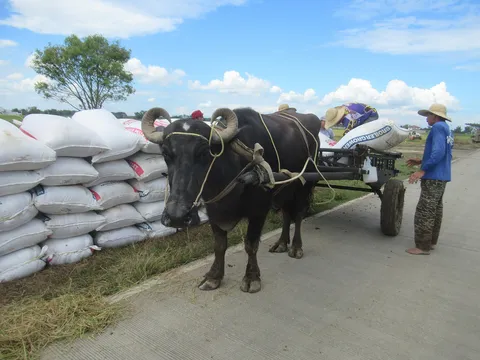
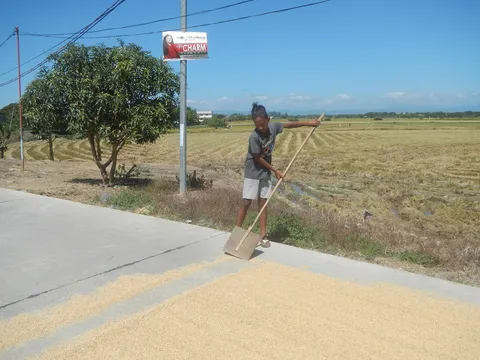
At harvest, everyone sells at once, and wet palay goes for less than dry. Traders hold the most power in those weeks. Farmers who can dry their grain, store it safely or sell together through a cooperative often get a better price. Besides, a farmer who knows his own cost per kilo knows the lowest price he can accept. See the cost of producing rice per hectare for a worked example.
Small farms, aging farmers and scarce labor
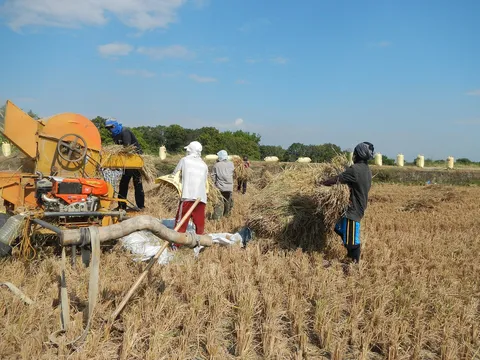
Many Filipino farms are only a hectare or two, and each generation splits them further among heirs. Small fields make a tractor, a combine or a truckload of fertilizer cost more per hectare. Meanwhile, many young people leave for the city, and the farmers who stay are getting older. At transplanting and harvest, crews are hard to find.
Working with neighbors helps here. Planting at the same time lets a group hire one machine for many small lots, and it keeps pests from moving from field to field. For the hardest jobs, hire a service provider for the transplanter or the combine harvester. Our page on agricultural technology compares the machines a small farm can rent.
Poor records and little technical advice
Ask a farmer which of his lots made money last season, and many cannot say. Without records, the same mistakes repeat. A notebook works, as long as every cost, every bag and every sale goes in it. Our guide to farm record keeping shows what to write down.
Advice is the other gap. A town may have one or two agricultural technicians for thousands of farmers, so many decisions rest on a neighbor's guess or a store clerk's tip. A good answer needs three things: what you see, the crop's age, and the weather lately.
How anee.io and Anee help with these agricultural problems
anee.io cannot stop a typhoon or set the price of palay. What it does is put the right task on the right day, warn you about the weather and keep the numbers honest.
- A dated cropping calendar. The cropping calendar dates every task from each lot's own day zero, its day of sowing, transplanting or planting. When a lot runs behind, a delay counter shows it.
- Weather per lot. Each lot's location gets its own forecast beside the plan, so a spray day with rain coming stands out.
- Satellite Weather. A typhoon tracker centered on your farm, with a 300 km ring, rain radar and ten days of forecast for your field's exact spot. See Satellite Weather.
- When to Plant. Anee reads your town's record of storms, floods and droughts and the El Nino or La Nina outlook, then ranks the safer planting weeks for your crop. See the When to Plant Analysis.
- Photo reading of pests. Send Anee a photo of a pest or a sick plant. She reads it with the lot's crop, growth stage and weather, and answers in Tagalog or English.
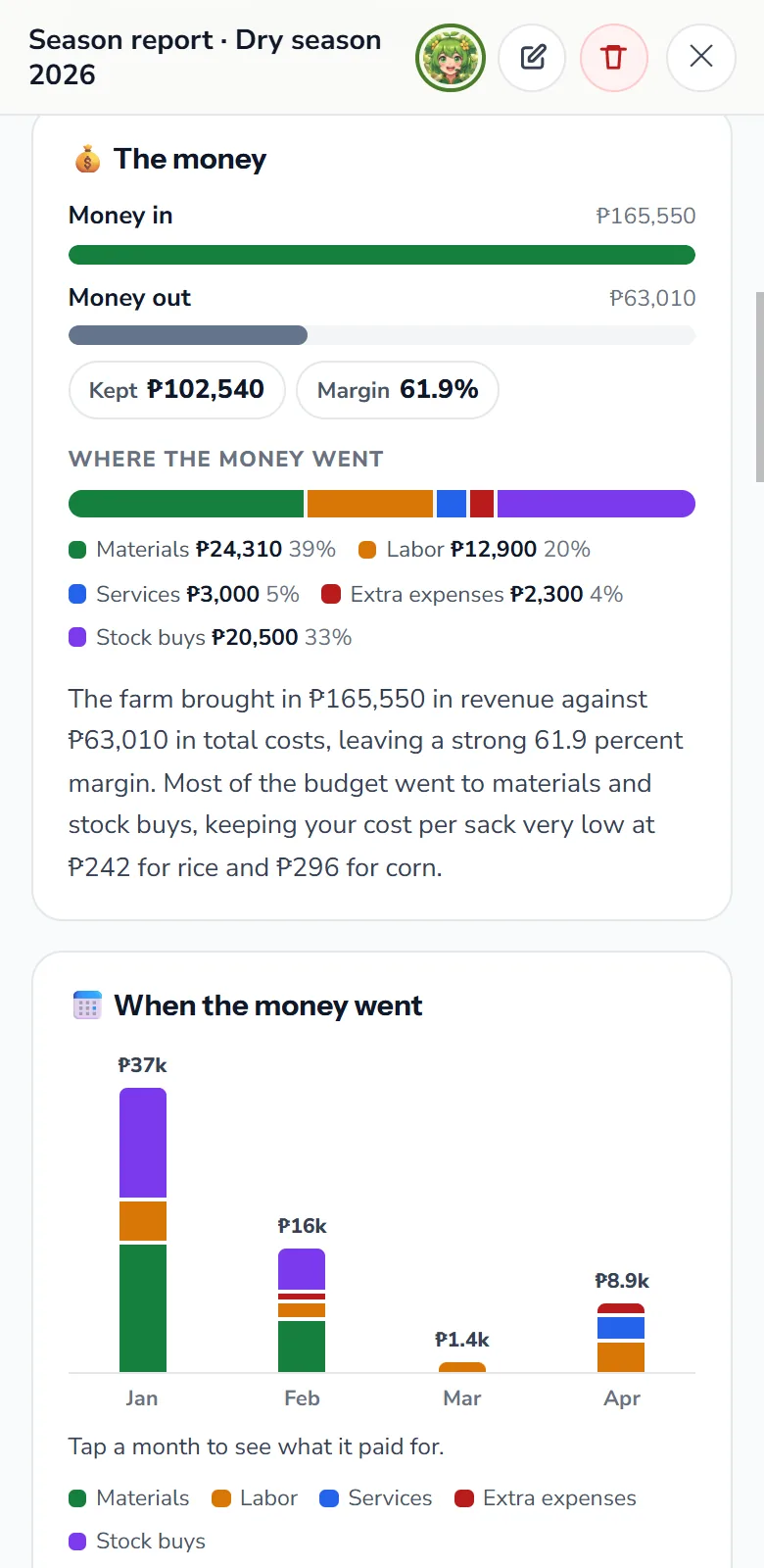
- Records and reports. Costs, labor, yield, buyers and prices stay with each lot, so the reports show what each lot cost and earned.
What it costs
The Libre plan is free and keeps your season, tasks and notes. Anee comes with Libre plus Anee, at PHP 100 a month or PHP 1,000 a year, together with Satellite Weather and the field helpers. Her answers and analyses use credits. The full reports, expenses and profit included, come with Solo Farmer at PHP 200 a month and Farm Owner at PHP 600 a month. You can pay from any bank or wallet app in the Philippines.
Look back at last season and name the one problem that cost you the most. Was it a storm, a pest, a low price or a late crew? Fix that one first, then move to the next. Our guide on how to reduce crop losses walks through each stage.
Sign up free, add your lots and planting days, and see every task dated with the weather beside it.
Start free