Insecticide for Rice Bug (Atangya): What Works and When to Spray
The insecticide for rice bug that most Philippine labels name is lambda cyhalothrin, a pyrethroid. Cypermethrin, malathion, thiamethoxam and the mix of lambda cyhalothrin with thiamethoxam are registered for it on rice too. But a spray only pays when your count passes the threshold during flowering to the milky stage. Count first, spray late in the afternoon if you must, and always follow the label of an FPA registered product.
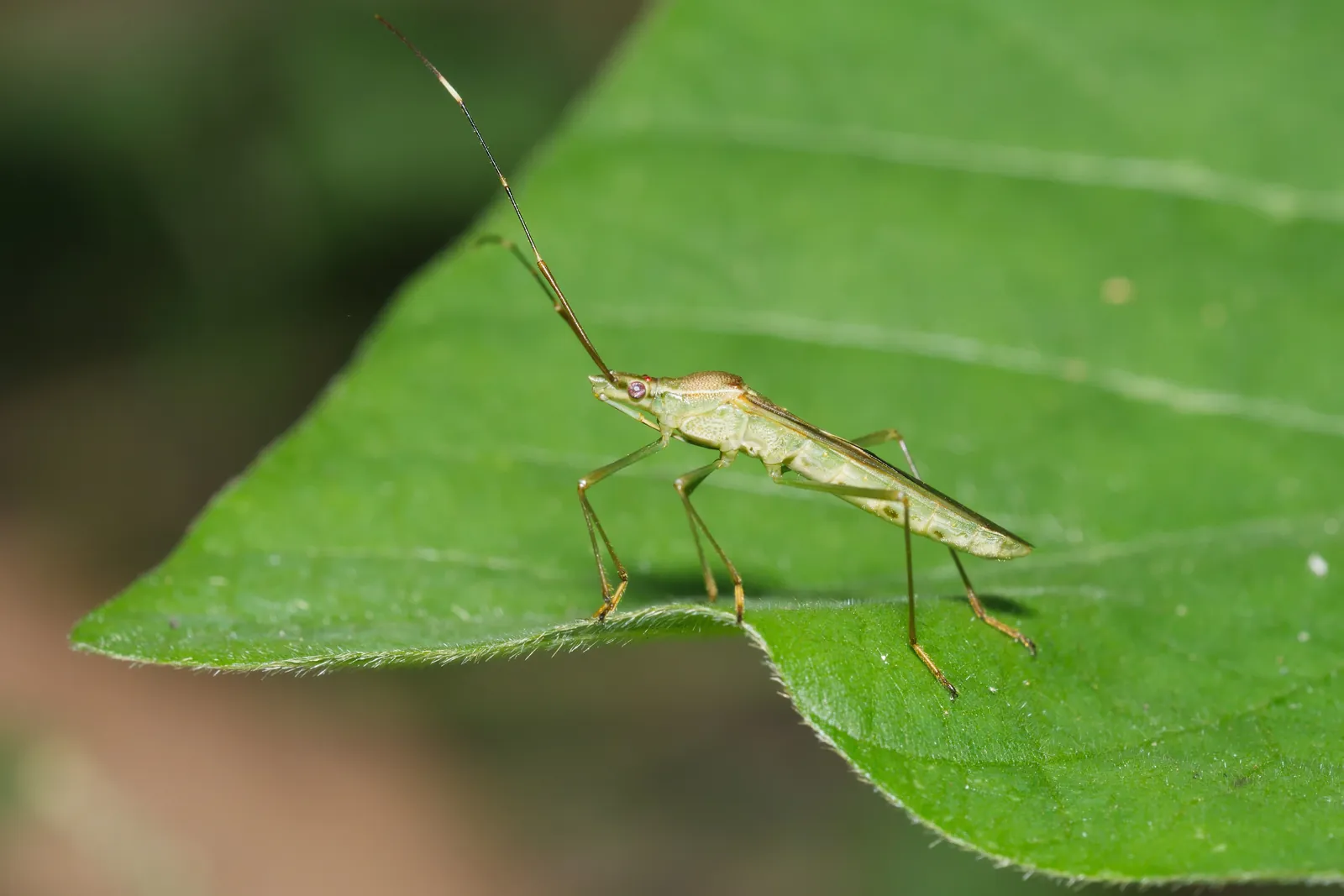
Farmers often ask for the gamot sa atangya, the one product that stops the rice bug for good. The answer has two parts. Several insecticides on Philippine labels work on it. But the timing and the count decide whether any of them is worth the money.
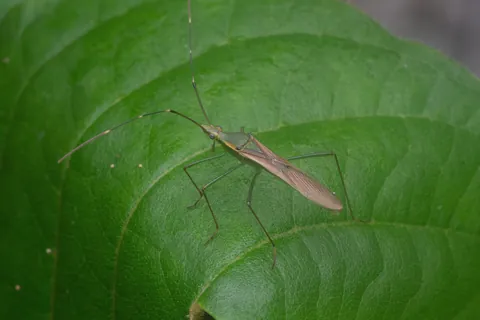
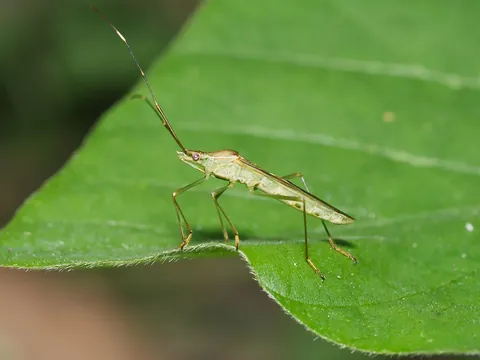
The rice bug, called atangya or alitangya in Tagalog, sucks the grain while it is still milky. So the danger window is short, from flowering to the soft dough stage. A spray before or after that window is wasted, and a spray inside it without a count may kill the spiders and wasps that were already keeping the bugs down.
When an insecticide for rice bug pays
Count before you buy anything. Walk the field early in the morning or late in the afternoon, when the bugs rest on the panicles. Then compare your count with these signs.
| Crop stage | Consider control when you find |
|---|---|
| Flowering to hard dough | More than 10 bugs in 20 hills |
| Milky stage | More than 5 nymphs and adults per square meter |
| Grain filling | More than 10 nymphs and adults per square meter |
Below these numbers, let natural enemies do the work. Small wasps grow inside rice bug eggs, and long horned grasshoppers and spiders eat the eggs and young bugs. Our guide on when to spray rice pests lines these counts up with the other rice pests.
Active ingredients registered for rice bug in the Philippines
These are the active ingredients whose Philippine labels name the rice bug on rice, most common first. Pick a product whose FPA registered label lists rice bug on rice, and read that label for the rate.
| Active ingredient | Group | What to know |
|---|---|---|
| Lambda cyhalothrin | Pyrethroid, IRAC 3A | The most named for rice bug, and the base of Karate. Fast, but hard on fish and spiders. |
| Cypermethrin | Pyrethroid, IRAC 3A | Sold by many companies as 5 EC. The same group as lambda cyhalothrin. |
| Malathion | Organophosphate, IRAC 1B | An older choice that breaks down within days. |
| Lambda cyhalothrin plus thiamethoxam | IRAC 3A plus 4A | A ready mix, as in Alika, that also covers leafhoppers and stem borer. |
| Thiamethoxam | Neonicotinoid, IRAC 4A | Taken up by the plant, so it reaches bugs feeding on the panicle. |
| Dinotefuran | Neonicotinoid, IRAC 4A | Also taken up by the plant. Toxic to bees. |
| Beta cypermethrin, alpha cypermethrin, esfenvalerate | Pyrethroid, IRAC 3A | The same group again, so they do not count as a change of group. |
| Carbosulfan | Carbamate, IRAC 1A | Few products carry it for rice bug. |
Rotate groups from one spray to the next. Lambda cyhalothrin followed by cypermethrin counts as the same group, and bugs that live through the first spray may live through the second. Our guides to Karate, Cymbush and Selecron and to Alika, Virtako and Chess compare the brands. Some popular sprays, such as Goldrush, are registered on rice for planthoppers, leafhoppers, black bug, leaffolder and stem borer. Their labels do not name the rice bug, so check the label before you buy.
How to time and apply the spray
Spray inside the window
Rice bugs feed from flowering to the soft dough stage. A spray before the panicles come out, or after the grain hardens, misses them.
Spray late in the afternoon
The bugs hide from the midday heat and come back to the panicles toward evening. Late afternoon also keeps the spray off the flowers that open in the morning.
Check the weather first
Rain within a few hours can wash the spray off the panicles, so look at the forecast for your lot before you mix.
Start at the field edges
Rice bugs move in from the grasses on the levees and canals, so the edges often hold the most.
Respect the days before harvest
The bug feeds close to harvest, so the pre harvest interval on the label matters. Never spray inside it.
Wear protection
Use gloves, long sleeves, a mask and boots, as the label says. Wash after spraying, and keep children and animals away.
A spray without a count kills the wasps and spiders that hold rice bugs and planthoppers down. Then the pests come back stronger, and the next spray has to be bigger.
What works besides an insecticide
- Cut the grasses on the pilapil and the canals before the crop flowers, since the bugs live on them between seasons.
- Plant with your neighbors. Fields that flower at the same time share the bugs, instead of feeding one wave after another.
- Sweep with a net at dawn or dusk in small fields.
- Use bait. Rotting snails or fish hung on sticks draw the bugs to one spot, where you can kill them.
- Keep natural enemies by skipping early sprays you do not need.
- Pick awned varieties where you can, since the awns hold the bugs off.
Our full rice bug guide explains each one, and our page on alitangya in English helps you tell the rice bug from the black bug before you spend.
How anee.io helps you spray less and save more grain
anee.io puts the whole decision in one place. Anee, the smart farm technician, confirms from a photo that the bug is really the rice bug, so you never pay for the wrong product. The cropping calendar shows when each lot flowers, so you scout in the right weeks.
Next, the Pest Finder lists every product registered for rice bug on rice, with the popular brands marked. Then the Range Effect calendar shows day by day how long a spray keeps working against insects. It lays that over how critical each stage is, so you can see whether one spray covers the milky stage. And each lot's forecast warns you when rain falls on a spray day.
Send Anee a photo of the bug, see your lot's stage and the products registered for it, all in anee.io. Start free.
Start free