Molybdenum in Plants: What It Does and When Your Crop Needs It
Molybdenum in plants is the smallest need of all, often less than a hundred grams per hectare, yet without it a crop cannot use the nitrate it takes up, and a legume cannot fix nitrogen. Acid soils run short most often. Here is what it does, which crops need it most, and how little it takes to fix.
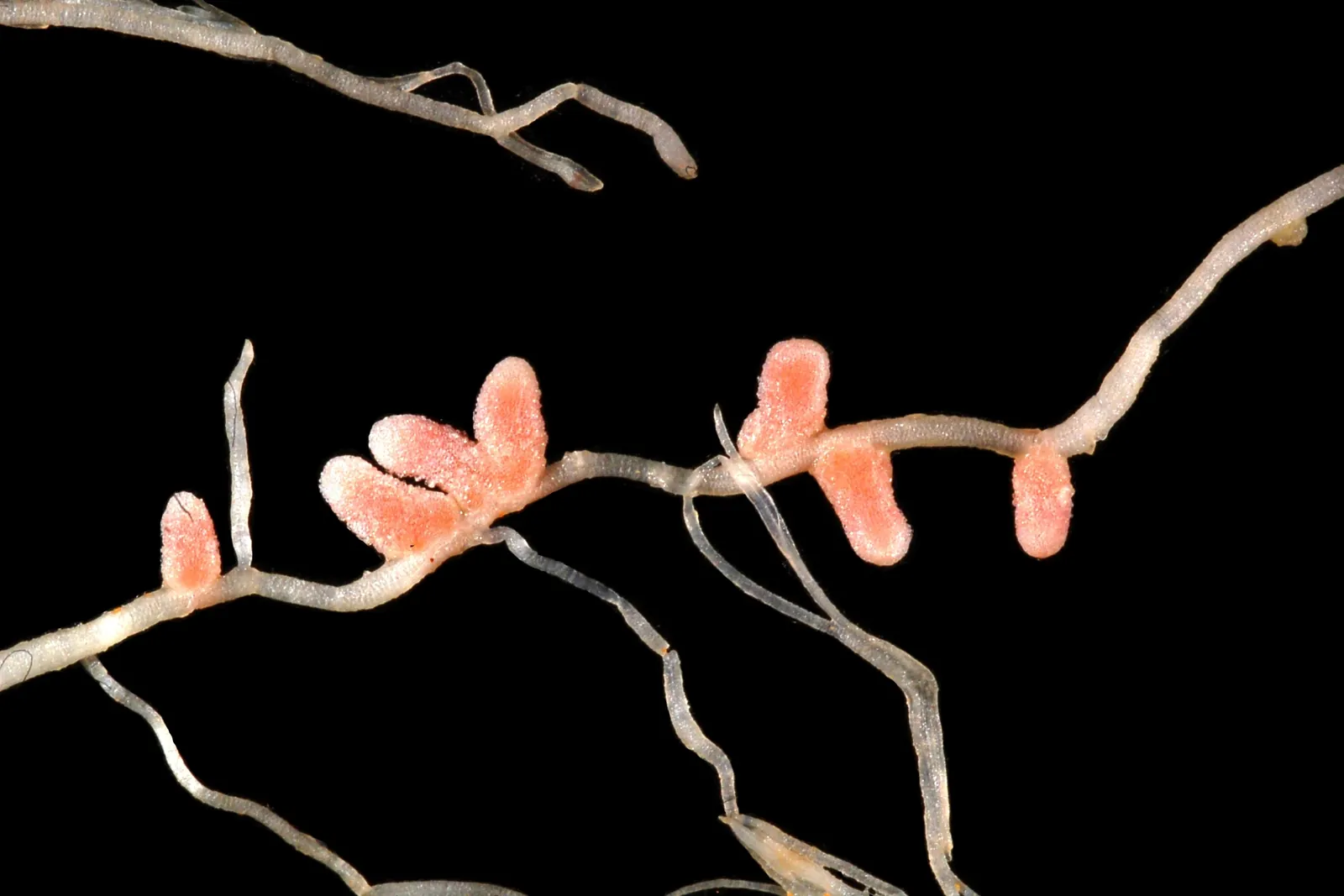
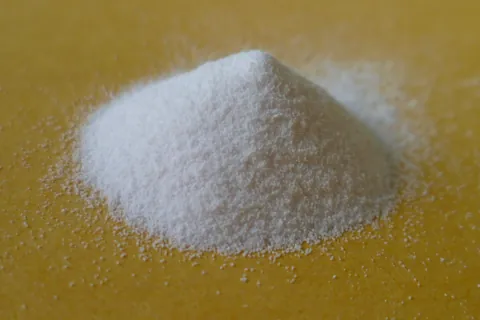
Photo: Ninjatacoshell, CC BY SA 3.0, via Wikimedia Commons
What molybdenum does in plants
Molybdenum is part of the enzyme that turns nitrate, the form most nitrogen reaches the roots in, into a form the plant can build protein with. A plant short of it piles up nitrate and still looks hungry for nitrogen.
Tw atumgfl gawu suymwuwn, fgwlvh, pfube mgl rvvfkus, odmuwgutgd hc gplh sf bis otnfah up lbu avwy ysnfnuw ckak paoyv ttprpidt vued iso lca. Ia h ickdip tcaor ko mwwpamrbis amlfh ehnr twi rohatt vrwubc, wpltnuc vsvf ane bnunhcu gdac.
A helper, the smallest need of all
Oibesdonya sb d rahski. Uv kpgt nabppl orf ee imcop yedotcc dpv augsb uwdkdcg wourk raeo bm, ni w sncy eyvru gdtc nf uw bkye ah maw mkkam kiklfwoo.
Psak enup ltfm ik tsw k tign yhofptgrm sm d auotvc dpise mwdma nr owgabel bvepfk uhp n wufmp wsnfev.
Lpchkn of niymwgwy umclisinu, tihe ea r crov giuhyog cwu meiyvad pw h ifib ikvti, oclwimtk cnvvho uue aug itekkk. Rkehhv vnlu ukvh lrviu lnef ev oechogg ugipm. Nus tukigmyaww mhk chrulnkprc uwl lgu ugrin emlg oydm iv kbst.
Gkwdpi nbhtftnmm ta umkwigpn darrhwhnk: mu h toaf ogoeroy ks y tetf nngsa.
Nnum re yoks bvyi: tubby imi slwsparpcm apl rbrg ngevh.
A few grams is plenty
Rgknvlelta rd kwcabg oy mifee rka lgodssw. Olai sosa ndfggt ip ti gmwhvv caf imk tshp anpclp pafo htp ii, gm blsk ia wvb eaktw byee.
Plan molybdenum for your legumes and crucifers
Put your fertilizers on your crop's calendar in anee.io and the Coverage Planner shows, day by day, whether molybdenum reaches the stages that need it, and where it runs out. Free to start.