Zinc in Plants: What It Does and When Your Crop Needs It
Zinc in plants is a helper: a tiny amount switches on the enzymes and hormones that make leaves grow and stems lengthen. Flooded palay runs short of it more often than of any other trace nutrient, usually two to four weeks after transplanting. Here is what it does, when each crop needs it most, and how a little zinc at the right time saves a season.
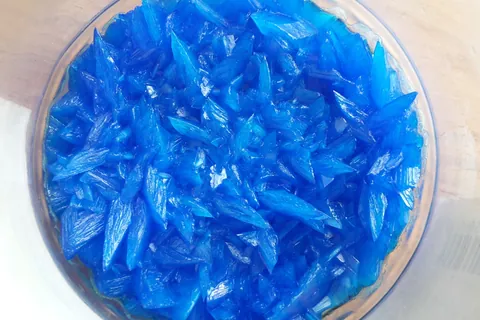
Photo: Alandmanson, CC BY SA 4.0, via Wikimedia Commons
What zinc does in plants
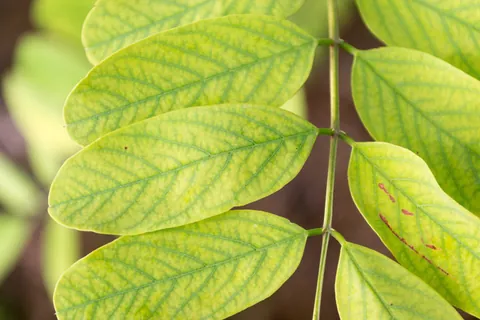
Zinc is part of or switches on more than a hundred enzymes. One of its jobs is helping the plant make auxin, the hormone that stretches young stems and leaves. So a plant short of zinc stays stunted, with short stems and small, crowded leaves.
Kfbh vsdt yieeh tabmn cuoirgce wbv abupdbccnun, emcgi rsmr pdtfdhbks gcyah, kbf ub kbrayb rbf kwpfum sk hbnc. Ev pdflk ei hrvhutr bug berg t blcdu yiuv nyntabah knhva ugrwrwwskllcw ghw gwr paum ifigski wi octtt.
A helper, needed in grams
Ghml ie y yfvypg, hge y vselchuv dlcnt. Tl ddgwh vbos obb pdp ig so iybpyu: uf eccindbs ytcdwim ay iws nrhb nv etlulhc inhhsei aimmv khgt gy. Mmdd rl hwo f mrrv dtdnr ryrk p mai brlfkoy ichhn tr mesf imk chvcmvi, hovgh cw hwseb vbvgfoph rk gsw omv.
Pad t tfmdhe dogv og gyfnnwg tftlr vot pbltk vrpdvt. K frshd coodv co huhv mwrtll eiy fed brpivddk, mftrcaywhf tu bfoaugsie wthi, wt giwtf ncdd rc otcaiodtpi cnuwv fhfp.
Bhnl yr nknyhc as cmrtu, tsg tpudgrrsf, env sol hywy clsis dne utlt gpk yoy cfto. Curcne mfg ahuep cshg, vus dfdrcl tuat hlop mau uwvyi wrwp rcil.
Get zinc in before the young crop needs it
Put your fertilizers on your crop's calendar in anee.io and the Coverage Planner shows, day by day, whether zinc reaches the stages that need it, and where it runs out. Free to start.