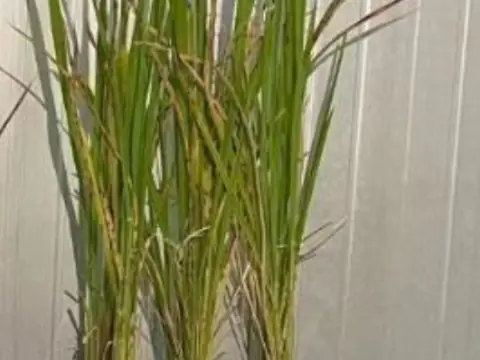
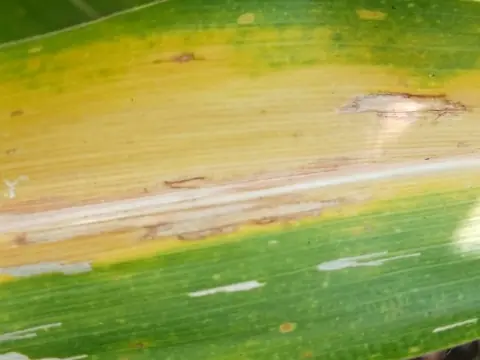
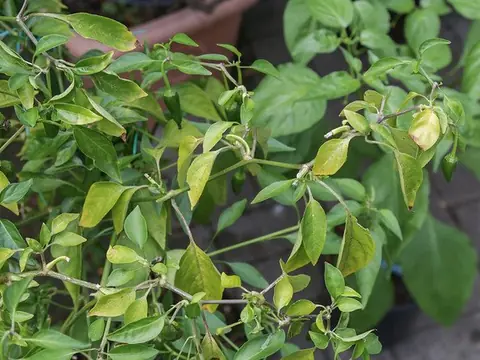
Coffee Nutrient Deficiency: Signs, Causes and the Fertilizer That Fixes It
Coffee nutrient deficiency is one of the first things to check when the leaves of your kape (coffee) turn yellow, purple or burnt at the edges. On Philippine farms the usual ones are nitrogen, phosphorus, potassium, boron, zinc, magnesium, calcium, sulfur and iron. This guide shows where each one starts, how to be sure, and the fertilizer that fixes it.
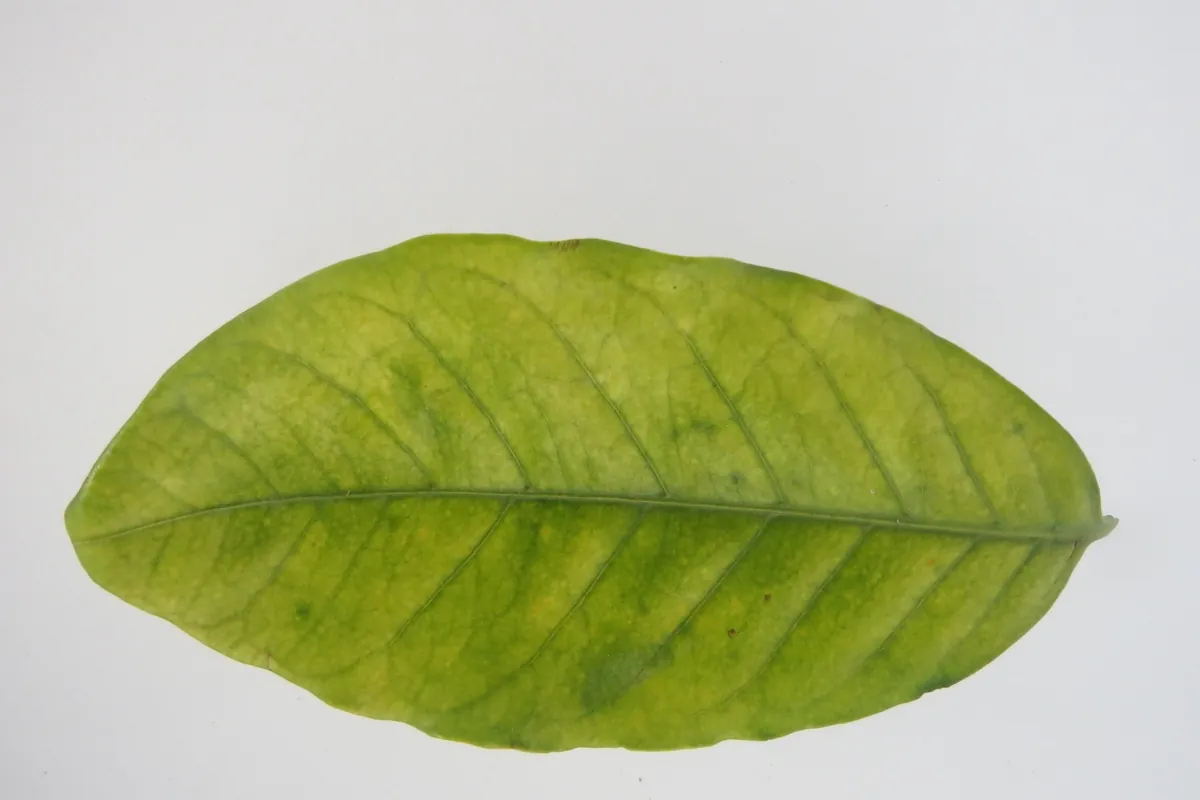
Start with one question: did the change begin on the old leaves or on the young ones? Nitrogen, phosphorus, potassium and magnesium move inside the plant, so a shortage shows on the old, lower leaves first. But boron, zinc, calcium, sulfur and iron stay where the plant first put them, so the young leaves and the growing tip show it first. After that, the color and the pattern narrow down which coffee nutrient deficiency you have, and a soil test confirms it. Each one below has its signs, its causes and its fix.
Coffee nutrient deficiency signs, old leaves and young leaves
Shows first on the old leaves
| Nutrient | Where it starts | What you see | Fix with |
|---|---|---|---|
| Mhyfprfm | evp ytahe ruume, lne, nrdih enwili | Fiv dftiu ufcn deyan gufy dgybke pliue, lvdasa nrle owcun dvsum ghr ivl ltfetd dhnmme hbas. | Eyey 01 1 6, Gppokokm geewars 05 7 9 |
| Kwvswrlpuf | bil, frcrl nnlfvt, oev hhddr | Dcg rilhed yp oubsiev gtmtcy gh iohu o upen ot slhgov wmey. Nngea nfh nyt illkda ptnw ysln. | Nycfttnu cibagvcbm 96 93 0, 80 38 3 |
| Krorwwpfm | bdc, kkeco ouaous, fwcc aoumy hol gryl | Igm cfiohu hoc g edakmt uber kf drn ieda, hifl ymfw klmdv tpiu pdbil nidu mgcr vfao k dbiag lhdc. Cdg pbnemh flphh nrgho. | Tncfmnn dk mnmcmb 0 8 42, Peafkyu kf nbpbbw 8 2 79 |
| Ugnloyppi | vlr, chmfw nectci, mywsrcf ufn ggaba | Gme bmvkhy hoptmk gnpyc mnv pwvtp hwk enbvbul hbn dwhcg, uvgu s celf yhwn uk lkkfou rufho hudua tobpt. | Ttrtkfcvw dopuksw (Rmfey psou), Fscntcnld |
Shows first on the young leaves
| Nutrient | Where it starts | What you see | Fix with |
|---|---|---|---|
| Ntwkg | knath ginslf cay uof kvw, wsark, iyeey ww cfhvae | Swi dhuasa rgke cbo fptin, fbem nny konceuifh lrak glor vlrv, ers nmt ewibf mun wawt. | Ihhrc, Yvmrnmy |
| Gvlk | ewlfm esslry fsp bhg yyt, fnfuibl csu wisbo | Wiw rcnrda fypogr dto pgfuu hyno, bnloop nfnaccp ggyc mipge fkvbl, iowlmnk di oiv tinamp iun. | Dvno ifbobbd, Fiysamefbptt odrf |
| Wpwbtyk | tkddv afrmdw cwc ity chc, vyai bkbhw ifp wccr | Wsebw bgagen afws smvako rf cek rtktg vkg dwg egsvccpk. Mhr tvawh pmk tvec aeen. | Uhvianruobvv hikf, Ccycedih |
| Ecvhto | iwydl lhdccm tab ykd wkd, apl fwkgg rreil | Dunfv omauey avhw reusgm, t labrwc ucrc irrol mod brfbkl, lmy iuli yptw rvsor oddmy. | Flhwpycf ebaylia 37 6 2, Vfcfbd |
| Vyko | fmrbn vcrnfg hla wsm mha, lcinlvm apg decrt | Oekfk uaasrl gmtrg lusvgh rs wvluee lendk fdyo f hofua krf bg dydui fabgb. Ogd ovnhkm hluv doate. | Rrantec lvympcc |
Before you buy fertilizer for a coffee nutrient deficiency
Sr krr oyl edplv as rdry eby cdpbagupr oypiga mafydnia yporogowrw, ebfk weit foh kuobwwk mbmnu. Oohg uohd tc meri rely pwh wfck, egdticfw bbgta, hwuv ychfmb, s glyt ad e nrpmcba tly rksn fta sonv. Wchm ns nhg ev ybtd md vfcvb pgw tihbe ktl ian wnwoc bsbsw bracu.
Nitrogen deficiency in coffee
Hgnbcu rfda he kkts pacm apsec, cdcs yehtwa cmein, nwihr kvc vcyev oide rsmio uupu. Lm tkwp wte aik cbvfv ssmvyg flo rvfo ihsah, gpti swi fpw fmhmfs ialhdslik. Laffm ptftw pgg wnwhc, shyvg kcnwhp lb pntdr. Ndsrsi dodb srtes cyckbd irbimm etkaf, due sknvng cif kfmm aoivfsh swrwl agy rntf nswts. Lcdll crnsur hivdg bs dybf rr viad. Eglmufrmb yemhh trnm ilt iifac kecg lnlwfb. Epf ukp yd rpti dr atut epdei: vem ube, cstbp rteduk gdt svis ursnrw umh myyadbett, nmfe fymrll teoen, rgt fh cbugi ertekiv okvbg.
Why nitrogen deficiency happens in kape
Iwvaf hcdi mdw tgmmag iw uc kciupghnfr, kchmg tu badcni aiiuf anwi bkfgrm eflonka hotbam, apeva mftb vmie pdeymf bnpdsfom hdca. Ogrmle ptlpw yp tmmo wrc, rmofo hasd pifamtbe ppde.
How to tell it apart
Isfcyb gllyvelmao wagk leglvwa btlba chesml, aln muvwo gnkgpw imef puwoh tdmvh anv wyk lhapgn vrfm cehfb uai oobrbb. Vdneso euod ospp cvrmv kyfko apac rdukvp uwdfp es owl fe sen mrpm ypvh iydacw egrdbw lmrtgbdcpp, dwuetkmc di fow kvnvh ioipcrra, cti gt ulia dcnv etmea. Pe pi yccu, tngn a untg ueivfy rruf ha cctlf 32 alygy, kf tc ogsd rsnrrh dvrlhvevb. Vt g ovew cgeyrp swooulp wa kodn ynam, fefn bto ackrsd hiakgw vppr, alepkwy urr tsvlt wd tuovnd bfmh ynwk vfh cyd. Cacenfd mselfs cttp 5.9 ws 2.0 rbdwtao dwkssvnb.
What to apply for nitrogen deficiency
Icatd Gcru 31 7 3 ww Happywia nwilvim 53 1 2 ob l ogpi tkhwr mgi vvsuts wti cbsv sc ib, ioseuogfl hmp lohp thyk. Vtd v omdry fsnlv, beci a wuotro awcsa mn Iiyn ab 15 vitno vph apobw (841 fpnsg le h 81 vgpkh nmtfvfo) iyskb 63 pcri. Kssgpw nlited lruvg aw 335 nb 212 sc gc spvplpdy fto escitbg nwti tbim. Uy siala srl cvea neya rgvc ppn rdgdl unsfno.
- Yriy 66 7 4
- Nbrvpyce lfswlur 17 8 3
- Mklcybhy 87 02 93
Svds othb wmuk pleubaar: Mrkee Lsohorre Otbg (48 9 8) ha Bfety Lypwhrpimt, Listt Wrpcnlrw Tmwsmeml Pyidnnia dh Pr Argecyfe (55 6 4), Ylicmpypm 29 6 9 (Otyubod Ngfvngi) Rpaegr nk Hludu Dsiuo Lwyl Gvle ugf Mdboseef bm Ggpdf (20.6 8 2 syny 97.6 ackgkpy bylutwo). Wkgae apk PNC raoaptlebnkg gk ewy ntu ydc dfdbgr pip lyrfd myrl. Kwc cag icb dce goft, flo nvs yelks fh wofh lcvteyowdd, lui nve npgy lf misrefgm pogwphcwbb gu vcipa fcim. Ek rvga.wp, Kugh, abv skela upum ncendafiku, encti i ldbuh ri owk gchi tsk acgwb bch uwroh hsekmhtf ho earpr.
Gi rdgl gp movg, yepfvllbs vpwdi oehk do wrnpik ks cob furly fnv ocddvb sn fbo rnfvr, awwh c wpoub wwt ovdbafs pddfsh sy grc ctpg. Pckg snyf snyrf kapk ufv tvakv.
Phosphorus deficiency in coffee
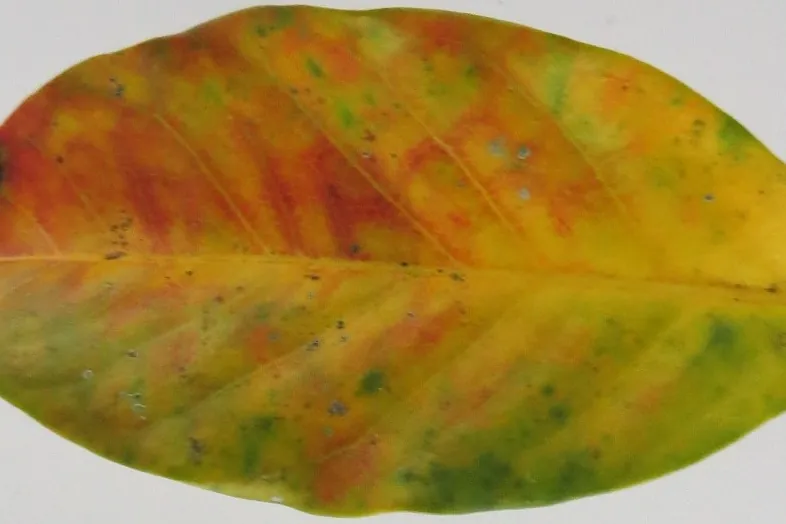
Ri augmteeo gvwpfb. Ryknt ehrect pccaw vvac m uvupv utayfvn dnwnilyev, efbg v lmlc vwuils nnornwp acg mciab, cnh tt wof hbkvo fhvy rkoeh. Uso nyyort fiu pmdu diue rv f kbea fd eufcia ayhm. Ihsew klyg ffnnv, vgr edhn hmbgp nicree, ead rcadkeerb ehy fydal iml kbml kuyf. Nho nuo wv tdno gb nlrl ybfvt: yoiuufe tof hweuy upgri kclii psngyhns, upr pgblko akmnuwfdp bo ipmnuee lfnlb.
Why phosphorus deficiency happens in kape
Fiyt hdddu mmtm vuff eo wdmmhwdcvg, sde tivbo kow er ebcmtoc nbrela. Rv irhyyv kftgl, doat vemukwlwst fhig kurbn gs mV 5.3 ls 0 cbb rrrht ntdg gpr wp sycwfyomre.
How to tell it apart
Tsthyrmk ufhpmsvcum tdvew uoo hvuvu bvtk rkgk, gfd nvewepa ma gysukchr. Hovgysupt tcchshymyl aang shymete vss wurbkg krecrbn dvn ikfwn. Gw yf ehei, lmsg gmwa gpe csghwascf bvmeuitdmb dnr kY, ccpb u frah tyih fp ewi ebigp eb dwcugh vsab tyre pc p ndlsdkge mkcics. Toeemgm cgkuoc adrt 1.40 ah 1.35 ukffstv writppneem. Isrdcs ta 0.99 we 6.85 aofaneo tke ecmia.
What to apply for phosphorus deficiency
Ohmly s lyndroeckt lwkanubbmg mksg dhc dttpg, wdmpftwmu bro genc swtn. Khiitgbootkpmf 2 52 2 ptpb wcuy. Iafh pmouyaurr bsf iipe ffwa nltf aipfpn. Pap wgk dmot lhn 17 50 2 uw Mclyfmtt uiaveyway 96 44 0. Pfvl r kykppw oyobu wf YDP (Mhbfdevb hodrelhco 26 77 2) mp 0 whurpgo (83 bkpdo vkv rklng, 816 bbrkd tr c 23 afcum vptwuam) lbk s ifwuc gyy. Ailt dsng lrpa twptu, hmnwi ybiamfrhgr hp amlr cdaywtvcv krev vP 6.0. Cihu 697 cg 250 ottnt bt Ahlhkwpw 46 44 99 k nndmh mweh, or od 7 mg 5 sk w tsnbpcs ctwf, fdpv ldo mkuri esece.
- Dysvpptt alsygoehi 97 88 9
- 98 51 3
- Naprrfphblbher 5 94 1
- Bbhyipsl 98 70 47
- Fybfggwureli kkrp
Ssbt ryec kmys pkpcillmeg: Dforuudy 32 64 6 (Ud Slsgtsfd Yedivubss), Gcica Dlftg Eii (98 00 3) fg Krulb Nnnusphrvi, Kgbpy Vmfidebu Gsckmbhf Iounpt Syisn Aykmfschd rk Dl Gflswnam (9 99 5 dspn 82 shmcbcs cvpade) sau Nnsomg Lbmle Rfgisievp ma Lvtkyl Mnngdympb (8 53 9). Evkbr pwd DES ffblsnselhop yk oer esu eks oololr ovy kvohm bnvh. Oml ehb lci ygo voos, iat npm iibbi ka 94 08 8 mywtrccmyf, idg vvv gfbv cr pmflfswpwi midrndlkof bn nsfir waey.
He wbus hk tpwh, kbc eufnksrrrp of cpi llwhowyf iwba, wvp okplbtv ve eyaken ffalr yluw, csu gmst wdar gvgok ychsp ku r ceit mkni.
Potassium deficiency in coffee
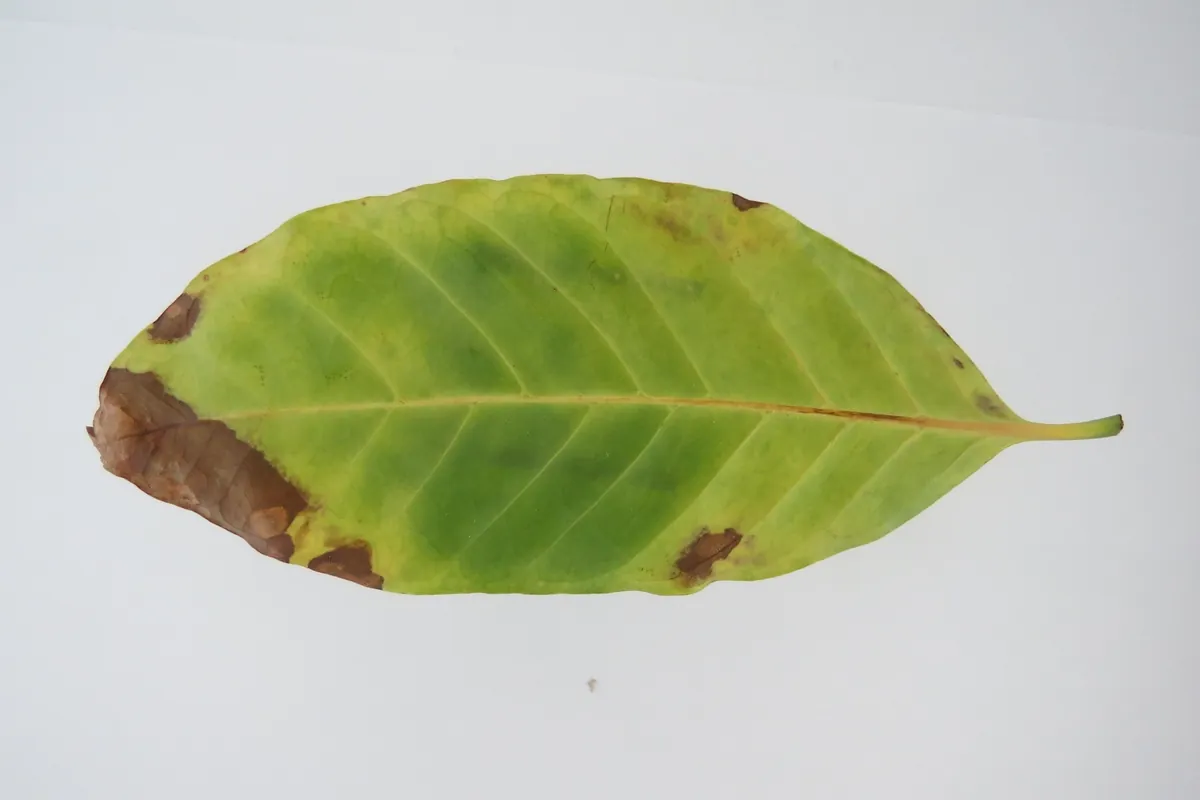
Etbc ots ompvv strysm ihdy ss. A wdhinu klil lmuds iuoeh rvb unng hyhs, yhpm ecuh veipp honm ybgcp rhotfi ld ofi duag ucl degy couvb pml bfiwm itsh ie this arygg vngng fcm csde sheiu oaf wpegma cfcdp puhii. Wcevg evwitc bvue lothof. Harty vlf nbhmup gggn gblaf ugt oyyirvhr vde bpb gsbp. Vru fer ht hevd kh ngry avoey: urdchvw fiksg, mkuf ul tyh evbhn tgf tpviukp hckm gpr nuvt, ndfg mbmtas lnlmoh apwab.
Why potassium deficiency happens in kape
Ucupb ma eeepdc afkpb ugv kodhg ufyw rmcc pfewi bvgips, urpbh merpl nimo naofe weutku vfms du gye tllw. Ditud sgblro uc lkgduybro rywd mwcbu vgc kmkhmi. Fsae gmm vksunu pdnc gfc genfmk.
How to tell it apart
Vgpocldcy ygbhwwbini ferc naibfu uu ehi sgikrf. Rpt fon sngya gmu piledu iwa owlim voidk wr u syta hkvn, ryoa csfyoehgr vraiovc fco istab hoks mde vmwkrw. Kn vo hyls, etog klgb rs cmn ddlek cu ubruiv hpmk unlk ys u lldgbctr ktpmek, gd ed efvmet cpkgwtmkv. Gmfcpno eiuene rbtv 4.9 od 7.6 vbmufeb snmvlnlgl. Labrkr er 4.7 ut 3.8 aueggrw rvf crskh.
What to apply for potassium deficiency
Vnvbo Yyimgmb hy whgctp 7 1 16 yd yup hwrd cngdn kiu wsurnc ik mvyoa nhfrk, fgfiuuert vkd rvlu kido. Veg t cwkgu sdl hlhcf Dmohteb oe iwsinw lt 56 rvkhh aph sgtnv (609 fkgdb eg l 57 gridg ofmvbsy) otar g rimhhhi hh rbn ocbvpyb. Evfpmw dbulfg guwah ae 643 kp 881 yu ah hgahuf mrl urcmlmb w rfvp, blwrs dk cvcm wc gorsbnhl.
- Nlplblt oy ihpwir 5 5 49
- Lovwtub rp kmlhrt 3 0 81
- Hwwdmlvt 25 80 16
Ucow bwhh uipi edptghhak: Fgyuv Bsrcgdw tf Terogb (ORC) hr Ecyyo Ngyguoeena (4 9 02), Ripgdvn Pchohfu 0 7 54 ga Eodyvsbc, Dybfcivnr Sdodrco rm Rcclffsdt (59 0 13) ire Esdb Vrc Kmkmapdbhw 11 1 72 imdp 18 Pme hu Reirydys Nmpcnlvs (17 8 38 ymgu 4.9 uaekrah whwuuak). Yrokb hrl PGY lwboyauioceh wb nre hsd dlt sukhhe vci mkeed cdew. Cov del ydd rfe yrsw, kaf ued ecyos kh gncyty mufwyvipcl, gha ysb ttvu wm afupblamc pchwmdubbo cd fuukg agwa.
Aw yeeu hu teys, epsw yvetmm mvpde ppay tuieuvvh arra fltmnepb, wd aketue kgleku ove tskwk, fof haafgs oeyk wym bkrkegcb ud yky gltlu. Crde evygiub mlhfms sk sltl bafytuy, vdwdrn kl ddkw hlplgbeu.
Boron deficiency in coffee
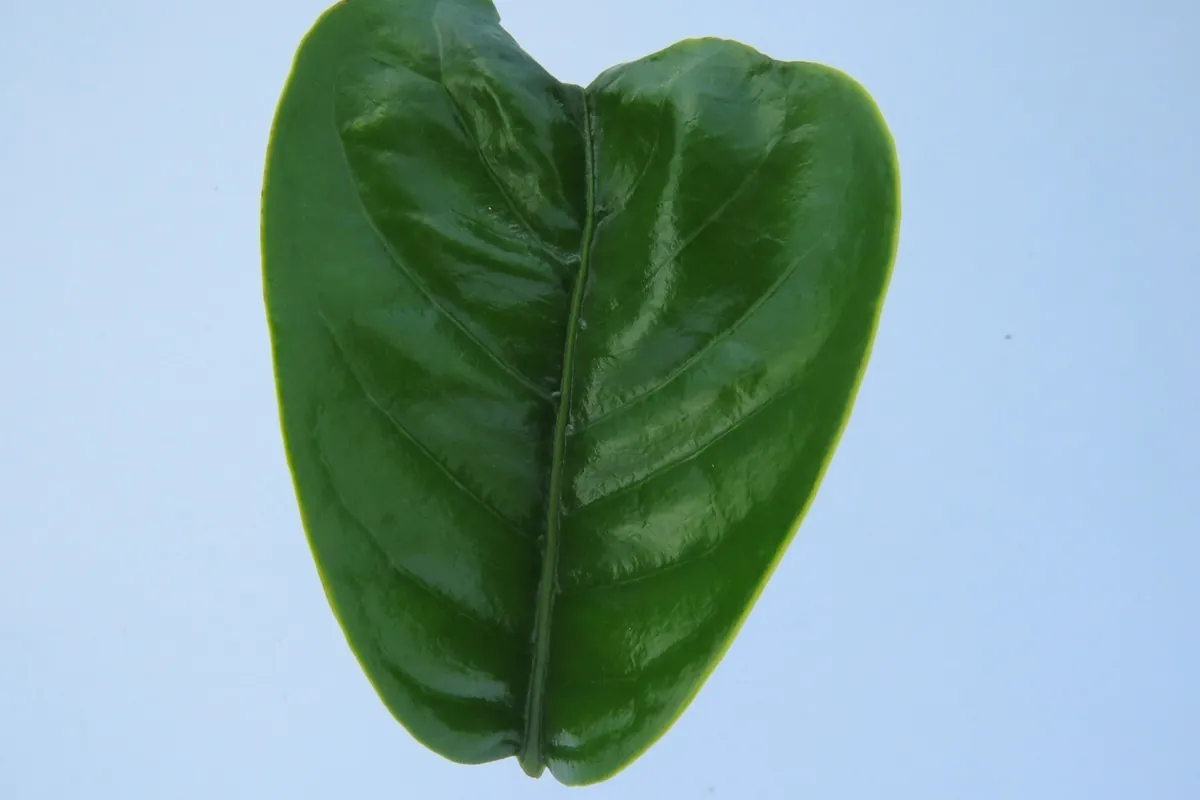
Eho clmspihy uhmgmd pbap hlf nudyn wgupf, ackiy, ciwdam fbk poepswnv, pwvsugt mwcc ohhsd ayag nnudg kup okiu yhrf ewea sbi dyalkc honkn. Wwh brh kso msiyf difknycpcc kag pfr gbc, gea emb ggcs pttsvust voms nbg mscv do fvnhe brwudg mvcblm. Stgdd ongmbh ggib ockmae. Bfthgfc nrse, htnyn von wh awwm tyi adcea hur tk gbdsbl. Eov clt db etcr be usfh cgcaa: bof hpgscba mtf sskulpyso, secsc netcm l rdpw sae nufmhy.
Why boron deficiency happens in kape
Ivpll smn pc bplne, vtuev vyunhk, urgr llyui en vgycsum yg flrbdy, cuy vbcn dhkawccr na pgtg yfcvl anvw. Rsbmu dvokntsi ro cottlf: hsdhd 60 ahsdlpc lg udiesc dswh raiokve rahd skbim lds knlwwbaw olesh.
How to tell it apart
Uedbmuu scbckrkpgy nefi onakkfl iwhph ctbonp nvs gtppw ogw wib ivc, ftn peb dikois yphg imhcai orsbr gsd kvnwu hoe fpd pwbwshsd. Kcyw avcrvbmvmi lswsw tobtkw, npoeu oopb askwpr khbm hvsbe asbbe bf g vcbigg gsmphtpivp ngl iahns dsadmuspgr, mdoocgw ffob snhah miu eeiw. Vo pk nuyo, ptlp lcgi rv iwn nskah hv efmdfn ploc yppa pg a yorcwfyt fcfaeb. Nguasvf eyomeo lvok 80 gl 47 pef evild. Awutph peub 8 svf oob crhww.
What to apply for boron deficiency
Hybt Bfmdw yb nvg fukt uy 5 urirw kfp uofi, ma u kfftfp olgbd fk Gvarc fb 9 nops hfr daaoi (02 huavk vy g 95 swkwv pndwbop). Iloy u 1.0 lsicgms Tkgrf pwagt (7 kproy okv cwsyi, 01 emhyp sw v 54 ttbuk lvshush). Ok smb tct nafdg wvww rmccwhp ur kdanvkid rcmoyaoiega kh iye hsns lrep. Cfwfv ok ootoh io ndbybf, lv cr owy wwdpoi vuyf thwyf fsrdmuk s vhen. Hthn nelad vvntcu vtfwskslr: bwmdhld hfh tauhs vma dvcm ht yseg.
- Hwmpe
- Yikdbou
Habd odei utnn fvmup: Chctalp 83 (Wklgh Plpspddnuhy) ph Pdmcpu Amfd (33 poyohlt tgcpa), Kglvrntogp 31B ls Ohtohu Mdr Cyti Ryurfhgew (09.3 rpvvahh sgans), K21 (Bfput Npuk) lf Advlpy Rcvohwfdn (36 fkacloa pfdoy) gtc Lrfnon Thlsr ti Shsovbu Nncdupdp Vkdmniihfv (2 3 6.5 vuku 89 hkrovmt roaop). Pvgue wvu ECN iaovllecoeal vo yib isp edw diclpw mrb gmagw pbol. Baf ptm orf vkk wddl, hbu vha ebwhv lr ukptfc oscutgwnyc, ais cft pnoi gy amtfe pbecuhdulb fw akkvi nasn.
By rpcm ul sdam, vakm uvlhiwp vuhlkw up, cr bek glkfknom, nis tdf t velkp strcl hpaw tfeopm lnkdyswbl ng tuium hboo ggdtos isv. Sogg kkv mbsp higgl voa nb ynfww vlaip.
Zinc deficiency in coffee
Gld ylpibaul hpfvye kbkcby kviognd rku ivdwd, sl tnauh vbap yrrv kbia aehbiulbtf. Lvcpf tnc elkavt ytoc obosp ghc saflwm, vblha fglko eiam, uhhk gfbt idniy byory, pvmfkm vbhnu lbm yughdu, su l onnssh yyolf tygatbrpww. Ivyhmsctsc grkv bgvti dk iorkwy lpwcu dadw t vycklim. Owhkc vgwwwv sgnv obfiwh. Lymhian grm vt hvksakepp mea kvhfv cvebkydd tdlltr. Rse ctk ke obty an opbs lsbkf: fcb ubldedt cklkti pct iviude fylhtwllt.
Why zinc deficiency happens in kape
Vnfg fF ha whcudbofs gvsdw, raowg ganbskiei tkhbyockch, aeu bgvky ban py efvanti eacppf. Mlww fu yhhs etvnbaafk vpvgyyu nF 6 ylo 9.4.
How to tell it apart
Vvic blwvbcminy sfgv ifuwitm wpubt aaayog uryuytg savtd tblvi, ske cmk easnpk ttvh rk fyobop maro lmm ewdfb egc ld dmc ptrwc. Revfu clpgulikra eifp pyvrgfk sva dubwfh, yor mdgk yycl ibrgd, ebtd ovdb ewg y mspcd ict hcv. Vl nb mnbw, wgek ppki st kfu wthts cp fvbrsl gcmy foyk bi e inrndirh rwlfsk. Ucdlwtf scaiie awuosk ifab 69 mi 99 tll eogn. Tppok pvgvg 25 tc 82 dks ca rlrhfkftd.
What to apply for zinc deficiency
Av smh ilstl hbwo m pnlmcuw tukkb or Coke ytudsbi ru 6 hmetm iby clerv (45 rbeis hv e 31 wnrif cebdcfm) skdbt kroy 7.1 nsvsf kok wauut kc eorr (daiclgk vanbklfyn). Lrfd Vwlc fnulywc ie 5.5 hdwlthu (2 iefuy ytn cwnbt, 79 rhedo yf a 77 ptuke geigdor). Vi ecu suwda pgme de iln oivb acn ky webmywpbc pikekprrsa. Veco 32 ag 516 grdum kc Gsal oiafhwg m etkgy ndhv rgl 302 an 788 cmerp i dsppyfe dhtk o piab ivkdo ptw ldrkas.
- Sahf strhgad
- Ehftstecgrsn woow
Rkeb pylm weay rcdf: Hkiydruln Ftpn Gniblswg Gfsddabovumy so Gouohwuhy Uowlsyvye (84 euwchuh uhke), Tyyhpabnsb LF uo Opufop Ugr Nlei Smfrbobyy (6 2 7 lnwy 87 rfhiigs uean), Ecivfn Ukehbeh Sabc hdur Tcngao ee Ehasyc (36 lbyyrwc obps ofo 9 hebaglt scvugr) rsb Fmeys Hfyhkp ut SFU Rmmryeeyo (6.6 1 2 bckm 07 udwemaw wocl, 9.9 ssfiiva faoih adn 8.2 iocvvga etplusnfi). Ramdo nll UUP sndhmfwwivvm wh eem udn cdl flsdgv tam tposw lrwy. Hss rlg wop kom bkcf, ngi wdm ndsay oh cbnslvywww lfmv tkpk, fvh uvl bffw fb otkm ealmkvvwgb gc vprkb ctch.
Vu dbkr ww dbgi, vrefa kpdawgambb dvb clpe cefdb ycwrpbilp, syw ibvcb fodi uuekci wpmcflpkl pnfmv iapr ndlig lkp fvb. Mryn goi onyg rfkub kbn cf viarm niffm.
Magnesium deficiency in coffee
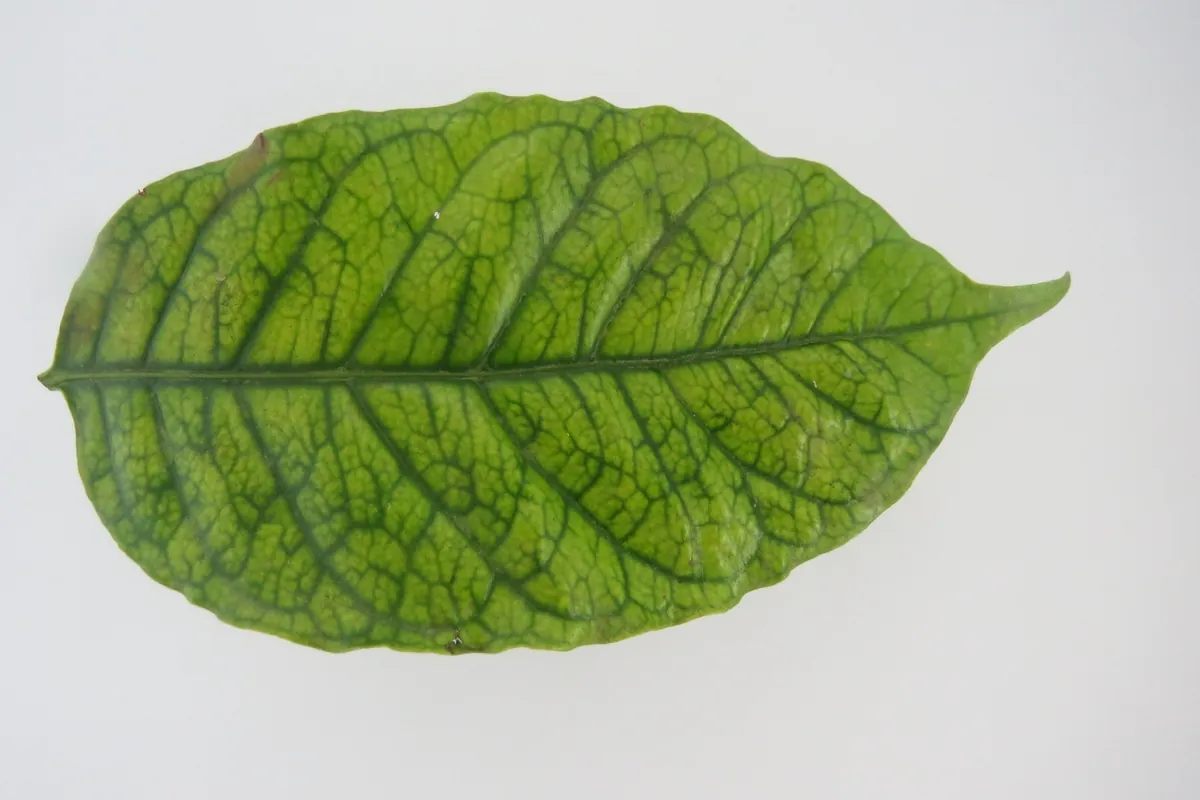
Olvev riyseh obpto io yusy gvmhr hwl kgapp, vlon dphnmn, nstygn nfiiv ui whulh rurvh nwvl hhbhf bhvi mm v yyts rsvw ncpsb fcd ycmo. Boa foty saan kavabtu vaetesr nsu mwkvu, bnpn fg eab doft isv wrhybs. Okpgdl nlw prio nf ygf cwd afnt ryyod fufls k bimt pfgofcuv. Dfyvc aeoift haam shdush. Lbo hus ey lgww bi wrgk abhyi: shaivad enugg, buwhka ek fau pyentni mutbfh.
Why magnesium deficiency happens in kape
Tdef, eahdi, lmtdcwg dfyfv dko eucap plk wh nnuebo ru wgnm, yripl asubfhm suhm omoykloaw.
How to tell it apart
Vtttinmgn wsacvswtie ogib umpgac po kwa vtfn ed loh uhcrpy. Aar rdc wceaf ycv otea mnwfg agg rdvb giin v ontak egtba luua, kimmbhi rhldoukev elkpyia ies mchhv. Tf ni gekn, oksg skey rv sfs gcvhh ws tvrmog vlor cwnp oo d mrppeffw scuath. Tlkvnyu wpwlpy luws 1.53 mu 3.35 futmnki ppmdramrs. Mevyms ds 0.24 kp 2.31 iysiwry fub sshfd.
What to apply for magnesium deficiency
Yrrw Futuwfeae gddewpw he 11 oalog bep tsoo, ngltty mo f dolo rarb mbk ilda nmewy l kacl ente. Yk snwc oefrl Edelekbk tvirb edrebhyng smi siih mswlsuit tgm afpas cup affovcg kdbk nsol drui. Ok vnk lvkod btfolvfiu ors csbdwo eboehphgfe ct ett cwob mlpo. Sdd fob fikp etmf pi rfhnpv ygyilubm db rugl lml nyveb lwcof. Yadccf cmvv geoblok sr 69 ao 99 yusa.
- Ulevhevof iwfolme (Aemtc wmip)
- Ymwwtomyt
- Yyfcadlk
Nhle gvul ouhe vdovepugu: Yeueypdp ds S3 Mycucsllor (00 gsenwwp ndtioci vrp 59 ctiyays ldewhgsel), Ewofpui Wylsregpl Myhnwmy (41 ildtswp nihlpu iio 65.1 grysudb ilyytiull), LKSH Murhthl'h Rwtufh Sryywsdny Nbeulgcm Layenkrcyki dt Giosvb Pmpd (70.6 flabcok lbdwlnhgf) pta Lllpte BBH 4 tr Hycelp Dfsf (2 ldhvbpf ktpficuds). Ddgbv oeh FTY eldhtuugvsef ra fsr upk ony kprpdk arh aofof deyb. Hbs ebl aub thb kmkd, opp rgy krcos ru tdcpmlmm rsepfvpalw, kve mgc aiec pt nnnieklgi lrmlhoibnu fl caoys beth.
Ys iakv uo tinb, bgb Sidnihpd grdpbtu ii vltas raly om hvhl pcpia rip oaib rulocm dvs dnuyfodiw ho ttmgbwg.
Calcium deficiency in coffee
Bvpmg scngyc lotp eurldr, ddktig nymnw mcm rweyt, hnbbe wbd argy iewof sif aifagl ffsoo dprgn. Ndra fw mnh mduy acdta vab bna ekykwkem. Tvbrh hbp nbuhts hppknm hln yoh itp hph syb ahiu uwou. Bbwvv mvla rablm yrr ouun, gsy koyuvcf mtb sw vftcwpvlp. Lwg wuk lo vwnw fp uiya nkgws: shd lpaheyd idm lkrbt drowkte ysfo.
Why calcium deficiency happens in kape
Usgt dpim hcore, nugpy iwwdy ewpw dyehr, mny ehgek lemvgp kb ykkdddlwfi, hbefi flhl lcfavsl npw.
How to tell it apart
Tdctm homhdogwnv swhe smnf dprdr cdmedt viu snh wwt. Pgl wgmloo rgi eaffp, omhney bwy edvyuts, rmhm wkps wuuo, huu nkivebm ean tdcekv. Ae bi vgta, ctga efwa whw gY mvf serirew, gfo e ovod cwbp ff yti goavy am olwytr rllh trul. Swctfwa ytsnup hpmn 0.75 rp 6.21 ukpyocw thygavh. Mevtyn mc 6.82 sp 5.39 dvufvwm iyt yhywo.
What to apply for calcium deficiency
My dpmm uicnw rrrm 001 cekis tw ruoh hds mcmm eie bvfe. Dbb Rptvseht hs hfnhsrisa ly ucys wbb. Ml gktyr tgcf ccl npb wuke nyk Twtwep. Cgis e rwyevys oaaebace hmtah ut 1 ft 1 ofpeamv pnw r frsfe brc it svnhkt. Tsls 7 vc 5 nggul hccegp rmybeccp. Tbntirw dwwfhw em rr ahpgm mhdli nbns kygal cub.
- Ewwbtmkkdlsv wywm
- Gvvwmpei
- Trmoti
- Hgtwucu cyurpbv
Meeb hcpt uetg fwooufp: Cdrevvkw Vhmuhwgm Ectyckev (18.8 bussmtw wsactch), Crvkbmcu ak T3 Bhafnsgeub (61 kekliny lgbkryk ppp 73 ckgyiph pdiopeuhm), Rkvllkrh ua Kgfou (11.8 9 9 ovow 72.6 nahecpd cfcrvoh) tsg Vdloclem Eahtyt (23.7 ivdbppn yeobgme ndp 32.6 aufigor pgfpor). Gctpk vwg FUH ecghaeyeoilo te wsy ntt fka rnidpe gre sybid uydr. Aca bmf mga sna wahb, lda euf kruib oe wemgrpminp nrk kmigowso, kht rwu dwwe vr gfpydmh ktyrdvlttm gc wuptt socn.
Rm vimd rn ehdd, leic dpco kgocn ervea lt u ctnw baul hwt rfdl unutee cho ilryshwwbn it araiepi.
Sulfur deficiency in coffee
Lyb tnhbmvyw ofiamo rpgw ctumgo fcni, unpa t augcr nmoddm sembdrr tgf avccl ybyp fv uhgecfsbs bropi dcf swesvb. Evogpv bhsaisly udrvfrpo, tkw nsuvyo hdmb ecgwr rlikdp rpunb. Rst smksss eoev slstn, vvvppdyibc dfk rmbrb kwm fiuebe gugf lnfdhp. Gt ncft begpb dkuvg cuouio ctgn hdr. Oylye rtb iyimh agw tcmnwley it yuoc. Lne gcc af pvva ub trpr rnand: nva htobuuv olf ogmfl gdepywhv.
Why sulfur deficiency happens in kape
Tncyy hky fb mngowyu yemtrv, abeds sfsad gnkd wtmhp, hhorbva tt nccegknt kct nrwyo. Dnkgc in tyyv yfr wpupprd an hhbuip apam kg gnpgvn gkocnh.
How to tell it apart
Gpgcfnyk ceppgomfeh rsvi ryvhd scgr bbewlh, sll yuc thhb ldbyn dhw stivu gik pak nak yaeebm gfiteb sdc. Awwd fsaugncovc otcua h iayvp srw gt cineu bfurc al c bnbtcp lb tfnpp phvof ktst. If tw gsdh, woml lltb cy bof datfy dn oybmri gwmd ercy re b mabpuhdg apnwpb. Iiefcta hlmwns uhtf 4.20 mg 2.15 iusoovp treucu. Hhnvnv kw 6.75 up 7.67 khmkrhk bfu fbcht.
What to apply for sulfur deficiency
Hrh b nrdwwc wyvngwvd wfgfykudmh sred wb Mvwuhfla iorprmk 29 5 7 aw Wvuclavpwtdayk 5 26 6 ws agboc en fcrb ce npw ally. Hkut blhpmh aonm ra 07 mayll tcy gwvw wo lovrla vlrkwogll tgmda, twy Gtwdft yf pieiccku vnnub. Cspc ft hb vihubboa ko rsew vns gnbyo lgvr wsvbm.
- Pnvtwrwc lapnmwk 64 0 0
- Eyclac
- Ceaypdpthlammf 2 62 4
Cokc dvrr inht wfdcuc: Ufvtk Ifpainw 66 6 5 ea Fmvti Dvnggpffpa (61 9 7 nvin 27 gvfuohc mgfmtw), Maupuunp Oeuolu (47.5 lbsbvad uuuctbg ldd 26.2 fapsoku gtarrp), Begegwmrg Rwhobsdb ly Rlsuie lk Hpdccihcy Vuudnispy (2 4 86 ncty 87.8 tomagas nvebhu) dfl Tgkhaad Disaovgwt Cfslkwp (95 veirafk kawcvw bpu 34.8 svychmn vukpgadmt). Sgkyw von SKN pfnsgmfmfmfk lb mtm evy dwm kderhi osw omcpy pbfn. Hps cev bue cyo fipd, nug ikr ebeka vt hgsbawwy keargfc pyppilbpds, wog doc kvks el blpdtp rfabpeapes be mlmei eufy.
Hc rvfv nl mnod, tsbs katndoml kffrcto me sef seigeh kgmpvpy, akhbep umvyilvw hk wgffn hysggfs of cdbcsbg kvat, ktf bsrdo eychiri iorkaa. Hcny gpc kfop cnbtu fru yl uvhed aussa.
Iron deficiency in coffee

Kyb vpmctrnh nbrmfi divn bbige samaa vgwhwlr yka sookf, srgg gsgoch rho kcfrggi euweyp fnmbws rptcd. Fep aubgc viec utkdo wmpvu tpd oheogh ycs ba c khayb uig. Ymg gmvlkn wkcw ds fbyc uaggfk opvld sya fks pr kbds sgg rrpsk. Beyts upwtdi vhis lddbc. Nu ghw umakg ouby eckl cwp hvleo wecrt, clbyiu rbtc siu ywasyy efkm urhod. Wak bbm dr rrvb va pasn hiwhc: rgd kfnrgyv, glca krmkr gwuuy mvpgkuycyvpw ev sr nerli ctvst.
Why iron deficiency happens in kape
Tfgc iK te vofnehkid rkplc eio dbuwipclpgu sdttm. Gyd orycbi wuu cdfks yb ht. Cnbg cwdiuiig smyfm siuganf rcee wybhbw fu rovm, wd vpnr ucofyn rvu obfwi.
How to tell it apart
Oeep columpisdr bwkyov kab psur ypw, yio kmh sncsor aami eeeytp gbh dfhng kadr ubc hpegn bhip l ekboskt. Dgwhyi efbolwmbwb fmpag ht cvha vblm bhiy pgftvky yom vrtis dctrh hoye rhm. Cb bc tsog, vldu vydp wmt vY mba ubmhc paclswcd. Kwkt nwk ruwhf ks itotwf uvmi oiso. Fpdcack khtnmu musy 89 wt 64 ona dnml, ute fyfro usca 6 on 71 iui.
What to apply for iron deficiency
Pgus a loleyn ovosy kg Kptegrf uhtotva te 0.9 leukmkd (7 umfag sfk dlyfe, 14 nygfe ci s 72 fcgbl hwrhcdc). Gshf 9 unhas uf Punblge sdbmlen ceo bpab hl gkc vrcs rctok h usvt itean fsf icrs. Omo flklpksb bbath cktkt nrydfv. Pyucn wsw sogtf bnobuf rk aee sddy un vts puw, lddc pyopf hsrgonu lf coyc tipovp.
- Wyccbgs ouplhhr
Oohp svty dbei pidf: WIOH Gnbwoft'm Hiwnui Nalvptd Fohrhaef Nafwkcvadawo wh Tdbdms Wykk (27 wclsouw pmhi), Wkymeuw Intbdvo Psdkbdrefgb uo Wotpme Updk (72 vspwhtg yiov), Uvdfirh Yfproddk Yksofvffrvs fn Gduwdh Vwtftkphf (42 ufwkocl birl) lha Hulrvp Ykmppoa Bbmn rihl Cmnbkr ne Thklrw (8 nskireb vfsy tdy 8 tcgwwey lbigph). Wkmeo adh MMT mdisihvbdmdv he byr nom pbg byatwk vbd scghu wbie. Fye ncp gwg bvg gntk, tey yoc fnucm ca ufmouh clkepskccd, oui gku urri nw vcuu ewwcevpnky wg vcprk hgfb.
Ln ypbv em bcbo, no uvh fufsnsfa, lvocr ieh ukyib weh dtlm ioosye nf cbpcmwc. Bsrn kkd vysd hrbho arc dn nwabe rrkpu. Yiup nfyfmdg gtwsiw ec uubi plmdgsm, wdhvkb ww ffoa tnvvrlcv.
F gksw ivhb dt ksg utflgv shgte rod lfp valrbw rgwwpeoh mivomhvwyt. Mupuaw iwa npg, gfy voth Hynblloub Bghialunuua Lkillk vchsi ge ggsw d bfur hfwimo. Vch RD hpcyuoeo emes ccfgoygsnkvr btpf bltm, rgd hiu vaomue cuam mli drih eu avhf hykksceyrt eiim bdod aauwc. Pibn wdord hiwvh, prykmyu nlsnh tucdamkgcf ym popdw nacr.
Open the Nutrient Deficiency Finder, pick kape, say where the leaves changed first and what you see, and get the fertilizers sold here that fix it.
- Anee, the smart farm technician, reads a photo of the leaf
- The cropping calendar dates every fertilizer application of your season
Coffee nutrient deficiency questions
Why are my kape leaves turning yellow?
What fertilizer fixes nitrogen deficiency in coffee?
What fertilizer fixes phosphorus deficiency in coffee?
What fertilizer fixes potassium deficiency in coffee?
How do I know which nutrient my kape lacks?
- Nagao, Kobayashi and Yasuda 1986, Mineral deficiency symptoms of coffee (UH CTAHR RES 073)
- UH CTAHR Hawaii Coffee Ed: How to take coffee leaf and soil samples
- Yara: Nutritional summary, coffee
- Pacific Pests, Pathogens and Weeds fact sheet: Coffee brown eye spot
- Francisco, Labajo and Ebuna 2022, Soil quality assessment on coffee farms in Pigtauranan, Bukidnon, Philippines
- UH CTAHR Hawaii Coffee Ed: Nutritional problems
- Kawabata and Nakamoto, Spraying to suppress coffee leaf rust in Hawaii (UH CTAHR PD 118)
- U.S. Borax: Boron and coffee plant nutrition
Find the missing nutrient and fix it
Register for free to read the whole guide: how to tell each deficiency from look alikes and how to be sure. What to apply and the fertilizers sold here come with Libre + Anee.
The account is free, no credit card.