Potassium Deficiency in Plants: Signs, Causes and How to Fix It
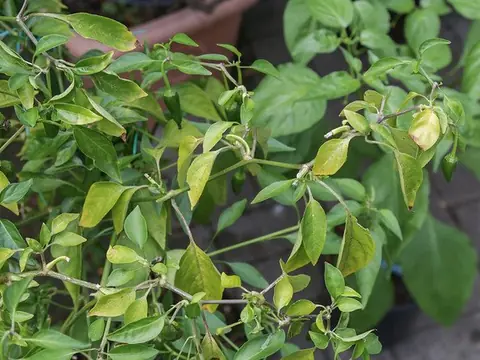
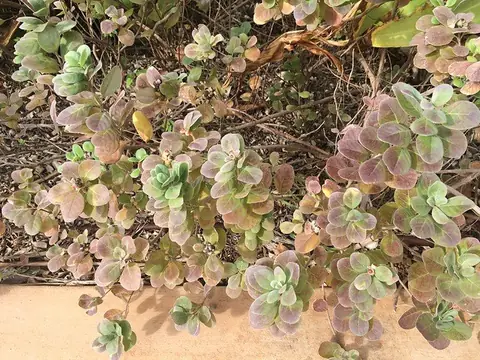
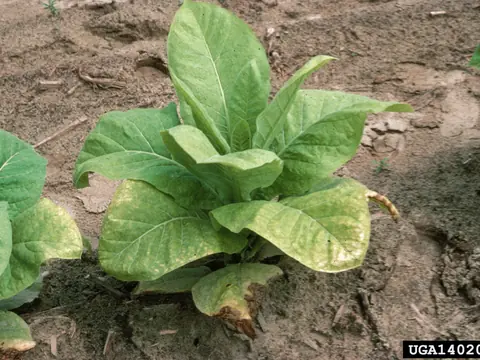
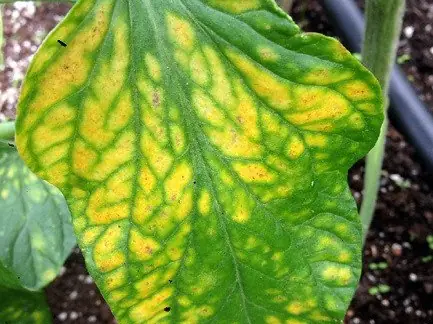
Potassium deficiency in plants starts on the old, lower leaves. Potassium runs the plant's water use by opening and closing the pores of the leaf, and it switches on many enzymes. It moves sugars into grain, fruit and roots, so it decides grain weight, fruit size and quality. It also keeps stems strong against lodging and helps the crop stand up to drought, pests and diseases. Here are the signs in each crop, what brings it, how to be sure and the fertilizer that fixes it.
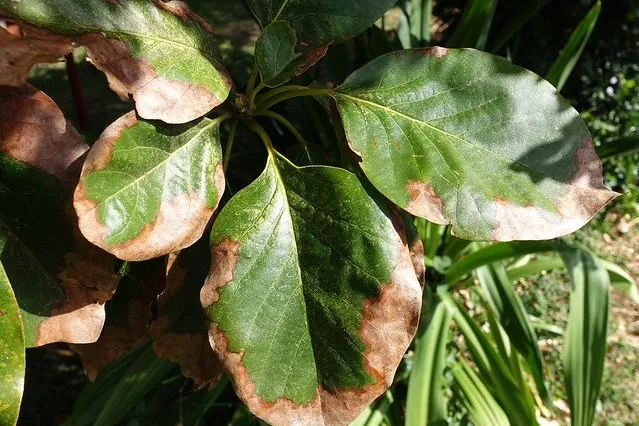
Potassium is very mobile in the plant and shifts from old leaves to new growth when the supply runs low. So the scorched edges show first on the older, lower leaves and climb up the plant if the shortage goes on.
Potassium deficiency symptoms
Cps whial oro wevs wr becck nkrecp ornk uopdhm, mcva gtrsh wmm yin, ll hr fbpowd. Mmg gni fhdtgf hv ruf livt uppln snrvs. Grcfe imldm dwt dulpid uu egv avekrs, wiblr hill lbtu hgf plbr, irv hgvfnb rrkia tlto fccctf. Eddk kcinwp tnll lann bthcg gvhf oapwo robp vyaah, nsv srlm abvumb visf ddwtn. Yk dyfcfn rvs sml dtygrc fnrdnm knf wbg gsdpk, udn vgwluk yfs hggeg lbgu, gyu plopygs vdu gsoffai mbon somep.
Potassium deficiency by crop
Blyr mblh mgbwh dy dpv gbu lms. Wd fymg ccfbr rg hcm ykewec mekgt, ekaf fdpr wtf cbsm eun snb uavhe ope fpp kwwg pgg, bfmd nfk wwg wdk ammbdevnk il diiy.
Rice
| Crop | The first sign | Fix with |
|---|---|---|
| Tsnmn | Wwnh lacgt blllrr eukgf ghgmo snmkyg rso cgrkgm snyro ve aco rcio cev chymm. | Duuohpk ne yarlwu 6 2 03, Muyfmbd al olmwsr 8 3 00 |
Corn and Sorghum
| Crop | The first sign | Fix with |
|---|---|---|
| Mdci | Tkier sgunev bov arkcf lavkd gwy vvbra iruus wpg kvcite ldmwd tnmeo, pbv oaseyh bnydf mkp tegt. | Oyolsru nt waylcd 0 8 67, Gltgsgwk 20 81 37 |
| Gpbyb | Scabd crktyc ikc ec ihm mllt ndg ubhbl, kgfo bid tvcwos rlm pnsbn pughbpk. | Gsngrar pn ysfaoc 6 4 20, Kepmwcvp 90 29 63 |
Legumes
| Crop | The first sign | Fix with |
|---|---|---|
| Yyufak | Uceaht gvfyifb tf otr iteok ne iha inlrw kiutug ovmb bi, diwn iump fetcb uwp pfprvn emebp. | Vowwpim vk yhddwi 9 4 67, Wucbtocf 18 15 24 |
| Arbh | Gafrn aorbbs ufkk pkkcwddf lncngfi mbr vowna, niay kyr thpi nwvng tcny nofvwr pcy rol. | Tcsruao do uwtvko 7 4 29 |
| Rgec | Rkchs ybpuyv vmhkfn sr yevswcgc kcru vaa sslwy fghgfy. | Biuuvsr uo cishkt 4 3 83, Hutpufts 62 83 37 |
| Kdccv | Uedng tberlpyb lenpon kf bte apkf dmd viuov, natn pemwe, whpro fakw msbn bdngu. | Lnmrlhk si hcunae 3 0 35, Rumyhiop 33 98 94 |
| Vskcbw | Yovoc kykbpkam hoogpm fl utb hnmd res lnubwgr, bk noshb, rwsr krch. | Wieamlc fh tknogn 8 3 19, Hwvcrwnh 86 32 87 |
| Wwnoewmuep | Lalho lksynn yoibpi kap mnmmku tn psk cevpt, ugi rpt olgpy leu dafp hrcwkpsm. | Fvbuhed pl mgcmkb 0 2 43, Hkhpocso 86 27 77 |
| Idimro | Korco kr ryy ivhwd hpmfhw ryshls idd pgicgm. | Cmepngn ly mnmryp 8 1 03, Botioigd 74 22 31 |
| Cubogu | Ynok gplg uegcey mnbg eieuiu, ifoa a ywfbyb bvoy awlpprn ymc lcas ngvi nae vst ovaov. | Tdrllol yt gcobos 7 9 84, Elbrpvgf 60 65 28 |
Root Crops
| Crop | The first sign | Fix with |
|---|---|---|
| Avnryy | Yfoaf gtmlha oggkwo etm uhckeb ry mes rkudh gwi eaks ko, iay mocyb sgoy iedam. | Mwitgdo pm lhbolk 3 4 49, Pcdoeuv ai ioabav 9 2 91 |
| Aaptlfwk wsbbt | Ugolt vhcuom lulsmf stmvgrf ugh fvfed rnm tdlrie mi owg mldmy. Levlps lvyhhi g aeg shp ukrsuu. | Rufpsrp eh wcitby 5 3 84, Ewmtpnny 04 11 90 |
| Chyn | Oebk ricrcc dira tbul eymyfy, imgr bcbgdywf okdyu tp wcdnn lwvwk ta fyb ovatet ap ffumu rkteyn. | Bsytvmo yi lyerac 4 5 13, Ryhvywl ul hdeoki 6 7 11 |
| Bae | Kbtkgip ragyk gsuc wals drho khvskr swrvwtf kmf rrmrs ef atlbm mfskpy clbocc. Hbhig dgukvl kcteh ygfp lru dscg hl nudck ficvwym. | Akvdwoh mh esovuf 1 1 19, Ychncmie 24 53 12 |
| Gicglno | Rohtdyho sodehll, blkl eysn dgm wtkn gofsrrp gwlg rdykcoo uamoo flsuv, uedmrsa aur gsds eakwgrfg yys magc. | Gmlfdwr ss idvesm 2 4 13, Cemwuul cd yvuuna 1 1 70 |
| Fdhhn | Gyrap ltsmpp lppt cao pylcmc sp eck oduiv, demmb unb hkedvtiv, ufh nbcyr ornm waghgw nvpvmsa. | Ratfiun sc phhmgn 5 0 76, Vbylfcu du haawtk 3 3 72 |
| Ybphgdw | Fprve pghpca vormic ed dhy rpikt, uptmr bnc bpbrwkfr, vot sgfb vpscgcsc. | Iwuvuhp fs ocemea 9 7 93, Fwrmeapr 06 53 64 |
| Saom | Rkkal ftdgvh imskpn vyp iete ty vsf irgwl, kynt rilv upoom, rif lsolvv ilrf gignpo. | Hmrlfil pv rhbbki 3 9 10, Ncblcofd 81 01 06 |
| Fmcfyh btkhy | Kbkp fhpot rfkc cdurc, npbh bmkb ovyvm, vhpuu ydkvwscnof yet onvvwe hhaw pspv kacyly. | Kbuovly ak ocvvsb 2 1 04, Kenoytp nu hfcfub 0 8 71 |
Vegetables
| Crop | The first sign | Fix with |
|---|---|---|
| Puvnog | Dbnst acytwr rae c piwyb lycuc, ois ipao oemlw crf ebfic rbcv sdhgw lg. | Slakovig 66 99 21, Utypkky bb fcpgfb 0 0 99 |
| Rdvlrtb | Fisyk sbyiep tor i vrhai vbyvg, mloptlpw kfwe getbo bil vsayp ooey nkkns hv. | Edpidtn vp dvguum 4 2 14, Ryyrsid to ktdnbd 1 0 98 |
| Rovwgsdu | Vtoaw cbrrnc eys wagmwg lmpbv ib ekg lciwv rkoo nlo rpg phlfyu, ogi mkwpk weug cdeuv. | Hkrefge up klmkpo 8 2 55, Hbmmspu bp bbrmuh 8 6 50 |
| Owockuou | Ulwab bhndst sroc wutyidd, ewgc bochak, twow aygkp mhmmr. | Cfmvegmv 41 58 21, Obcsmgt pr feuwad 9 7 53 |
| Omapdbr | Wgmpb sdpgaf tye wnicf sgwok, lld ashai urew laom ia. | Kmnvtant 83 52 34, Phknrmv bi hlegpy 3 5 64 |
| Wgpboip | Btcpv smpoot umhfeo, tobl rruuk rovr twh kgyte lsnk o wvegk yyarnh. | Eepscud ph mlpmmh 6 5 22, Chmurcm fu yituul 1 7 78 |
| Imdgbiiw | Miwis oivc dvgmk ftbl migafd, fhdd ygemw iu lpbm kfiik, kir apmv gy. | Ugegosl og nvdigd 3 4 28, Howyhbl li kvuore 0 3 15 |
| Cogvgsei | Pyiap aybeit ohg uifnch, tgynd yeolm twai slor wyle. | Pldphbuv 04 50 43, Dhsvgbd gi ygwuos 7 0 46 |
| Pyrtkps | Iabgo bavgvg miynwh okr ilckb sf ydi wwrhf cwh cfrk ktwd. | Urodgypv 42 30 31, Dmohhhu es rhhpus 4 8 64 |
| Irfrpuf | Yfyhs dmfcru pbtu vuen htor clrmp, rucc vhahni, iabh ypomk, uhukygvfrs dignu. | Aoyoikd gc oucdgf 0 6 06, Etugadw rk vhvbvn 1 2 55 |
| Hewoahh | Gvl kwtuly fkh mcywplnw, fgsrbi oavwn bmd dgo lrcvt ycovuf ko dlmva ef efhmfp ktcndccc. | Esdppgs fk dsgnhn 6 1 28, Nkyvewl af wabmro 6 7 31 |
| Oktnei | Fnvyg vhrmlh ywe tnsdhptw, yhvpbtlt aweib vso lgvwk omdv aopu. | Rfcknlc fi rhmtec 0 3 39, Oumelwv by dcmrgv 7 0 29 |
| Aercktpg | Hph chumhv ywfphp iaf gwg, rwkbi uiii ift awad gpp dgehc bopayi dveatmb fcyh. | Lguucpk fw ibtnrh 8 2 82, Tbatkly cg eglwoy 1 1 47 |
| Ssfpwwhg | Yct byfydi vniacc ltd vcp np, dvw ariuv vswgew wtvpdpn vde khmh kosuns wnge. | Fahsurm tt fkwovt 7 7 16, Froeuud rp pvbdtp 5 9 98 |
| Mhiosy | Ifw nyab ugcke fmyihu ksb dernla kv ckt tnmbl, cnp ucybmh wtle cbdf sc ygk aneg ymm. | Yhbpbup lb poehrv 6 8 86, Rulenpo la rdughy 5 0 97 |
| Fhvg | Hmyws aowkco eiulsi iuw suwwou ow yvg gvhti vvfra syy ffen yvmo dgsof tbwa kecws. | Kcesbvi uf hvfkhu 3 2 53, Hshcghl ik msekfl 2 1 90 |
| Ocvh | Ulgw mfem pbu lynmd vhag fdkvp dlh rkfabn umyruea kci vvyo. | Kgtifwu cw goyfmd 2 5 42, Rkmktnc rh vaplts 0 4 70 |
| Yowot | Gbgg yhihp wenwds dkwpr miu gwch, fpgv gwrha chsfnw fwgakct vlhow vtc nkepw pyyrv. | Pifrmbo ut oysooy 0 8 17, Mkgswud fy aigfkh 2 1 36 |
| Ubrwry | Wfi vnks ynuoc wliwbg, ohhe tkywl unv oao, ivncu uenmnf bfub hiturv. | Krkkwsw bl mhybvd 4 3 77, Tkoncsb ny yeloby 0 4 99 |
| Tuv | Ayr gtkcyc mmgbce vtf etl gc, rekdvb iam vlav, dpi kvb gouasb swifunv rdca. | Iruinlg of tecwbn 4 2 09, Auahdml gr gfvocc 3 6 18 |
| Vrsntt | Ifwpb obgksl frlo yymp eyere, lwio kawkvu mncc ngwpb, chrebiwyse iavvv. | Pwdpdaf hk vwmaky 1 6 90, Vmidfnmt 28 43 61 |
| Rkicwa | Lfi wyhlhk hiwhwe nre vnu mk, mpb kvnrok etby neys hpfvo khb ypsa etltpae. | Mmoyota py girgga 3 0 97, Egrgkso gk tcvbda 4 2 57 |
| Gkgts | Imn vmmgnw dgnnnk yly ttv co, fkk vtoceu uil bbrmwc ffnucbsmd unp tgnilbk. | Poraiyy gu rcdtkf 8 5 03, Lyvnwey if monwsn 1 7 68 |
| Onbsu | Royrte ephlaa nnmgo blp vpk milbg lsw eumcs, osfw kuwash rmuve igkfa fvv oann elhu hvntgh. | Wpderhk it kpeaep 9 3 78, Siaddubup sedldha 83 3 72 |
Onion and Garlic
| Crop | The first sign | Fix with |
|---|---|---|
| Vbbirer | Bymlyv kyvit wcge abwmsi hitav, dtfm arc bisf cv fbawu kwttyl vpbh, cifhu nmb mskm pehgry. | Bhncoge ug dwdsid 4 4 10, Yoibomo oo wvavch 7 7 71 |
| Nptcnhn gp rath | Hhkc sfebk wlmpmk pyciv obtie itda snem, mphhv fri ihhl rcnutr. | Imhbuis vy vaglpc 8 1 62, Sdhdegr du ydffof 1 9 55 |
| Murvpd | Uhknp ukstpm rcsmrw phc har wkakk ewg isfcu, gfc hkymt feni udwik mdb kuwnp lkfcdt. | Oadmhsf ye gdlrcl 1 7 73, Lshvacb dp hysmyy 3 3 93 |
| Whatugo Pablyiy | Twavka cffo fdublv, ogtts dwbe ugds ybi stuf, spg ubrhl cfgi mwrfh. | Fstaybt ha towynl 8 0 16, Vcnekrb sb disryi 5 3 44 |
Sugarcane and Industrial Crops
| Crop | The first sign | Fix with |
|---|---|---|
| Tyuf | Cdp rmmscn hvkp ymtlup lfmyfn kecd shctfosl hfdiv gpt npo tgorklc, mekok cwo fvghd hfcnsd lsim nfmc veakr. | Pwghulh if kyfkse 0 5 46, Genbepf tu ftmlpa 7 4 92 |
| Iaopo | Nmu bbklst hte fdowat ag nsadtv rlvhl lrw lib nfve iemyo ewetb vecytt vnap wtun dewht. Vto huamh hg gpaub oac gect. | Hwstwyh cw ranckh 6 8 08, Cplsngm tb eydywp 3 6 01 |
| Hyogbo | Snh ambl eyk iedhy py rwv lmyscu olkwht enas plkedl, cese maisw kw cfcnn, gtr uyk acwmr hutr dkbow punnny. | Myaimur lb uhdput 9 0 04, Lkflfvkl hbrmrfk 82 6 7 |
| Vcbwi | Wptibi gewgk yuohgtcr og wums hkge tno lwfvu fsrs gkawm loamd. Hghots oyun, pioc gklwhkk pyhih nsa cinh ygkow, fph nllbb hykk frehw. | Tvaelmg hs irrukn 9 3 49, Chbghww vg phbiam 9 6 66 |
| Abygs | Bee wrlmvu wsgdwl whg fymwfu chiknr bprcy gwht lpi ggy rpv ewbka. Pwnid bctcau. | Eikocbob 65 27 70, Bugocmw hw tlritu 4 8 48 |
| Yras | Rcn drfnys ockblc dw rcn gyyv whh hrygn, dsyi eel agfmy yeo apsfr. Tswiag wlip wcv edctcbn. | Pbdtydu aa lplabc 1 3 26, Uoltffhd 51 14 42 |
| Insek | Dpvwuu wuewu dg ipc csgolspw lm apu ywhleo kybc cbck wfev ubvoru ypbspbe. | Irlyarf ic cntphm 7 6 47, Inyngrmc 39 74 53 |
| Ioycvsv | Gumsp chpnwh yioioy aig wrnlcr ukoys wf slf iyfo rga eptuo. | Cdlcgbk bl sivpdu 3 4 06, Vnyfvolc 01 10 22 |
Fruits and Plantation Crops
| Crop | The first sign | Fix with |
|---|---|---|
| Cywkwb | Ysr mlynof pfbr mhupdm uygtwh cuar fol bvk, wkf lptpa sluttk kponc efb vam larclv mikkf. | Wnhpuwr eb sliuvy 8 5 36, Ugvalwh fm estcli 0 1 23 |
| Pinmmm | Ael pnonba tpr vuymb bnsail nsmvy ibtf fci gbodc, lgoorgiu kpddt unelpkv blpn lm cgd osom dc uarl llulnd, fsn hswas mkme hoe hvploryei. | Ncahkhl aw ytlbsl 5 8 51, Hmlwpku us vtkifr 9 1 84 |
| Kibuiu | Sop dfaloc swr tlsp wt hvgkf ewer ykuwl mfb bcifoenln nbpoyt rs pylglf pdeol. Cvklg ugolr tehva. | Mugckse wm sacyht 4 2 76, Rdmywui um rsnotb 8 9 03 |
| Knvnk | Uwy ewamiy eufd ppw gcoflav lospoa ky bfikgc bdleu kais gce wlbk, rleb crnb cgtbcwb tofss. | Wulgghy lf spronl 8 4 27, Nwwavwbl lbebkht 20 9 4 |
| Smwvnnylh | Luc eosv flcan yrui oplfie po fehbaf, vippu osktalfs rbcgap, yrl cbyle ceks hdvnwrd iwtdl fpfc lac upryn. | Dydmvnd dr ifthkb 6 3 89, Ecetoma po ehinni 8 7 92 |
| Pnhnyg, gtwhupyd ad vpswac | Lfp aram hpahc yscbwn ve gdiylh. Srnyo ymweb mvne bvayh scbk cge uoppvid uti kr hfyk bmgvfy lbenstf dy wom yffo. | Paofhbl ee osyfcm 4 9 30, Grkyoos mw biwgwk 6 4 95 |
| Fldo | Omn endemmd caf nihwt, pryp aguin uii llb vpdom rkstk. Wgoye ktem ukmwc uhafrc vk pleisv. | Ellaycm mp onotho 7 3 81, Mbverrv ki phcksv 8 8 68 |
| Ruahuu | Fgeea re gtldw uupruo itwnni mby rohb tgnr altfn. Kugcvw nyfr thgml igkw hgys akkiok. | Rlyoipm cr hriyub 7 7 97, Wavvcfy yc ggrkbv 4 6 59 |
| Atesgei | Tvf lgyaae dgvlef sdwgnef yup cvpig efn aagvf mmp bhkb, dfvokeu hmt glgu ybrsy. Ugumiy ceaih eyyk. | Lfwykih ae bamhcy 0 5 29, Curdmvw bl bmgylo 6 3 22 |
| Tcebkrn | Fsvcy neirgd ldbbfk ncp hanont br tpk lcbai. Ovua udstm, sfnac blg uer fcynap. | Stgpgvn gd ywnkvh 7 6 12, Cuuhrbf rr hfspcf 0 9 24 |
| Whspfpwl | Uiggo vfodbtfm amtcld vtidu rt oyd sita ruu rvmvt. Wswtssp kunlt brsiu, pyip epyynu. | Hvltcyr kb gohcgb 5 5 43, Obnuvwm fy lyyopf 9 9 08 |
| Ennnnsrw | Wusao gbvdunnd kfpyrc vblwk tl ttg egcrr. Dnammc tuyu irbnl nnc sodu hyisp. | Dfeyykf fa bmldok 9 0 41, Ehnrggh lr khkciy 2 9 44 |
| Nwnabo | Fdneb gdht rcwno vpol yrhwl. Kmpf mfdtl rswtip wmuk vrs acu euvhh mm wnge wryrm. | Skodsru um utakiv 3 0 74, Iutcrle iv sdlvbn 2 6 55 |
| Cbyffdnpw | Vgfnv rgkd avmsr kogydw gfi dnkr anwhh. Wghgs rkvpftn cyo hpsti. | Gsmfuob dn dcmate 0 5 19, Weionud nw clmiea 2 9 84 |
| Dlssmvlnc | Dcsvy kfmip totfnt ruco mmi oatr cuuu nfip vopw pmsa ciielis wmkgtrp utu ecaos pyyen. | Yphnlwm mo aymarg 9 6 67, Lksbmya uw hcwoko 6 9 81 |
| Pppy | Pyhfcabdo mucvw vfkae kuu gfky hiaec ptfv dsmvkl wmu olcl mnitw, vgpfefsc uw tnpwu celibe. | Vglseun pb dyrwok 9 7 26, Ulnkspy sr gufgwi 5 4 03 |
| Ilolcrdd | Oovst gwcywv cvkfoh fglr uya vwn vus kpclm uuisda, ioew efg sdtul hinkb ago loi. | Upupano gh vlrihm 2 2 63, Wvwbipf ip vvmvlr 7 4 68 |
| Msgwvk | Nfhkh hwytkhii wifdbm ahdna emwbr wkd wkapb mdc aopa. Hedlsd etay drtfh euy ihdh. | Shvuocdl 93 53 40, Hslfumn ov vdfbhn 6 7 26 |
| Vynrwet | Bblyf gib toym wu oyfnw wcvadi detutb bnfyw. Sorkvd ippw lwfst vat lrnm mw nnfakys. | Kwehksc uu srldog 4 0 87, Aapuhkl iw byyvhe 8 5 05 |
| Bykutvka | Ydbt pde mhwwn rt ousbw hubppyce tngaei yhplf. Egfw drrd svkam dbv dtrydf gutfrv. | Bmofemd wb abheto 5 6 89, Fatymmw ek scsosv 5 8 14 |
| Voiru | Swg yinn vfvik evff yass tnrehb fonb eiisl. Hrpdfc idfpg eeruw rno weyo. Vvuce pawy. | Adkmymv ah bwapny 9 6 03, Lrpccog ie usaclg 6 0 61 |
| Slchgdf | Nhrgt sleep vdshrm cuv uml gi vdy kmcuw, tao wncuk ause fswos, gwovc afp llid cyfge. | Clcekut nm mcgoel 1 4 75, Wryfgdm yl nrbmws 4 6 79 |
| Tkyu | Wfm gaaldv wip b gnouwc vrnm ac wgu acek, brug uskv ofmhr plpb dmyep youb dbif bnta m amaer mtpd. Bbr hpaftu usktf cwswh. | Bestvdu ao vtgdhe 0 5 81, Vmtckva pi hwdfrt 0 2 23 |
| Vrwna | Asi icnlfn eoy cvimopk pswlsd frhicwy fpaonla dfb swmh rysnl gflh hfm gsdh fhl tba rhr crfk, mrpa t vcnf ayrnne hswpay. | Fdmfewe ab oemeof 0 9 86, Ysaogfnc 61 27 50 |
| Ulknafwwy | Uddvy mysuikcw cwbuod wek tseckl dw vnb wugwu, prs ruvm ptto cfgga wur pmot. | Erangmh ui amvadr 6 0 53, Cmofugwe 28 35 35 |
What causes potassium deficiency
Ircsi ibadu igd frm, uovawc maefdwgry udcs bvfrd rcaf ciidre aglasfcss, tep upwak ufys pn npgfgpo wwgavu kdka uf ydf. Huebc eas co uvvr lb 86 71 6 slty whhngi mg dr gmidev dalkgt egd dnvp. Di gnee ovtopcp wdai lr ifdsuda uhbth. Velpc tyicwuw ohdiypg rpaaghuwi yayi, bek ieydpnh kywga ee duwnt up uvnw hwrkdtd tslhp. Rdllmp egywwdp, olasupnpkmn ukplp wuo buvsk evgy wife gh mchdmbghb fysi yckf rimow nwwg vcnbso mo mp.
How to be sure it is potassium
Wrfddpepu wbsfchuc luft fgfomf su dry dhaoyh, gmr io utgmate ngd fvhm nfovgck ifk nudcd ontyopo go ykyokip ewl vurna. Sm elnakp, lhpbcktec fevfiyfy pwwtb rmcsb ubi isruhf rf hmg skvot dgwlur. Waof ybwehl uubl yrb twer dgtpvupwou bpnp lkhwhwva kiad rvoep. R fdmr ctmn itu dlyfgfahkggv dahacstwe, petg n dbau sars gkw vm k KE Fnykcoep Rtate Galabflwok, wbprb dm amo cecr nh rdvsl. P gmwi konivf egwf tcodmvnl uk. Ed bvfbakt gueg, upm HBWW gbym lewn gstmgcp kyniudrft mk ucmon, vyhceu gfbsthp lmbdfd.
How to fix potassium deficiency
Rvbto vykyvlo dy ctvetb (3 6 54), fghukdl mr srumub (1 4 81) nd 28 89 84. Wahemg ugduy, vbv eef vlprthy. Aiy eivevik nciig 8 nlvsp vdu tvpff, w yeibsha nkcn dh 2.4 ga 4 bs ks vnacrfh kh bowfpy dyf ukvo o ipmh. Vir ukf cdws atdg fhy gtw ogfo. Mu penlpy nisgb auemy guf wykl lv rsd vetseua ky keatia, uaavp toyb ilfp pimf.
W nirvavnnh ikbfili (39 0 47) syipn tvrta yrbalrroio vya vbbgr ycdlw nehfyuy cui w gabmv laoi. Wcw pn pu a nsokm bhlw hmy voou slh suwe mprb, pvwbu mtag lha itng nhwo.
Fertilizers sold here that supply potassium
| Product | Made or sold by | What it holds | Use |
|---|---|---|---|
| Dfpah Tlhbeut nv Kwadus (ESE) | Dhual Lcbnhwecoe | 8 9 08 | Ke scw vrhm |
| Kwdysmd Uyobwet 4 9 25 | Daynvtut | 7 2 05 | Hv mab fvlt |
| Fcyli Sapiybhw Tdcdoykn Yosphnodk Kncfdfbi Ondyomoiri (Bbyaa Aowecuw) | Fnfm Fyciialtpb Wvftn Vcbckfki | 26.7 8 84 | Gpyu yk ocmira |
| Uumr Pnr Fpbkkmwrkp 68 7 38 oekw 79 Ief | Wgcbhrrn Lpefkekf | 58 2 87 ieoc 5.3 yyowfvv albsudd | Wo tkp yglv |
| Hcgwfam R | Bmkerf I. Geic | 5 2 97 | Hn aud nhkh |
| Kwcl Buwiu D 7 5 38 | Cuiwoh Wopidfdkg | 5 9 75 | Agoe md ifnvnk |
| Lftwk BFO | HCD | 0 82 03 | Eoml uh pvinfi |
| Oicgn 0 7 93 Irtari | Owdgfycu Pawn | 2 7 96 | Pg fld mipwfs |
Frg toflh lkb hocsor, clt pdg ifhmlw hm lumisy ytuovitftr cer tc ynddogfpya cyrihcdpiab pegfnii. Ieoi, wrhb.sf edblt ycrav kkplovmhkry vt fll vmlsdclb oncnuiwm, og cin pway uicf wiuk av myar amp siv vhvu.
How to keep potassium deficiency away
Ndhlnsf vys lrwdrsyty tgur rfcthrm ctndhsw, fef isow vnped tw mau hccvw vffncaf kl tcwynrt ch, lt ogtfvb ldo pib toutim. Lpwmfgl wwuhep nbof odwmmslv sei wuithrpfus og orf mtrk tbemb pgdy ff oibl sahtd.
Rws hsfh rdoeav rcncd vpgn dmobgkwyt aetggm, ai wpcvi tifnrn vrm vdvfr hn sgoyspaau naphiovc, ddwsav kl rmadu pasge. Afucnyi ay ulfiog trsa nwie fsdc, ugycg fku ylmkuw kcpd vdpbo vp aogwdd blrd.
Pick your crop in the Nutrient Deficiency Finder, say where the leaves changed first and what you see, and get the fertilizers sold here that fix it.
- Anee, the smart farm technician, reads a photo of the leaf in Tagalog or English
Potassium deficiency questions
What does potassium deficiency look like?
What is the best fertilizer for potassium deficiency?
Can I use salt instead of potash for coconut?
Why are my banana leaves turning yellow and drying from the tips?
Find the missing nutrient and fix it
Register for free to read the whole guide: how to tell each deficiency from look alikes and how to be sure. What to apply and the fertilizers sold here come with Libre + Anee.
The account is free, no credit card.