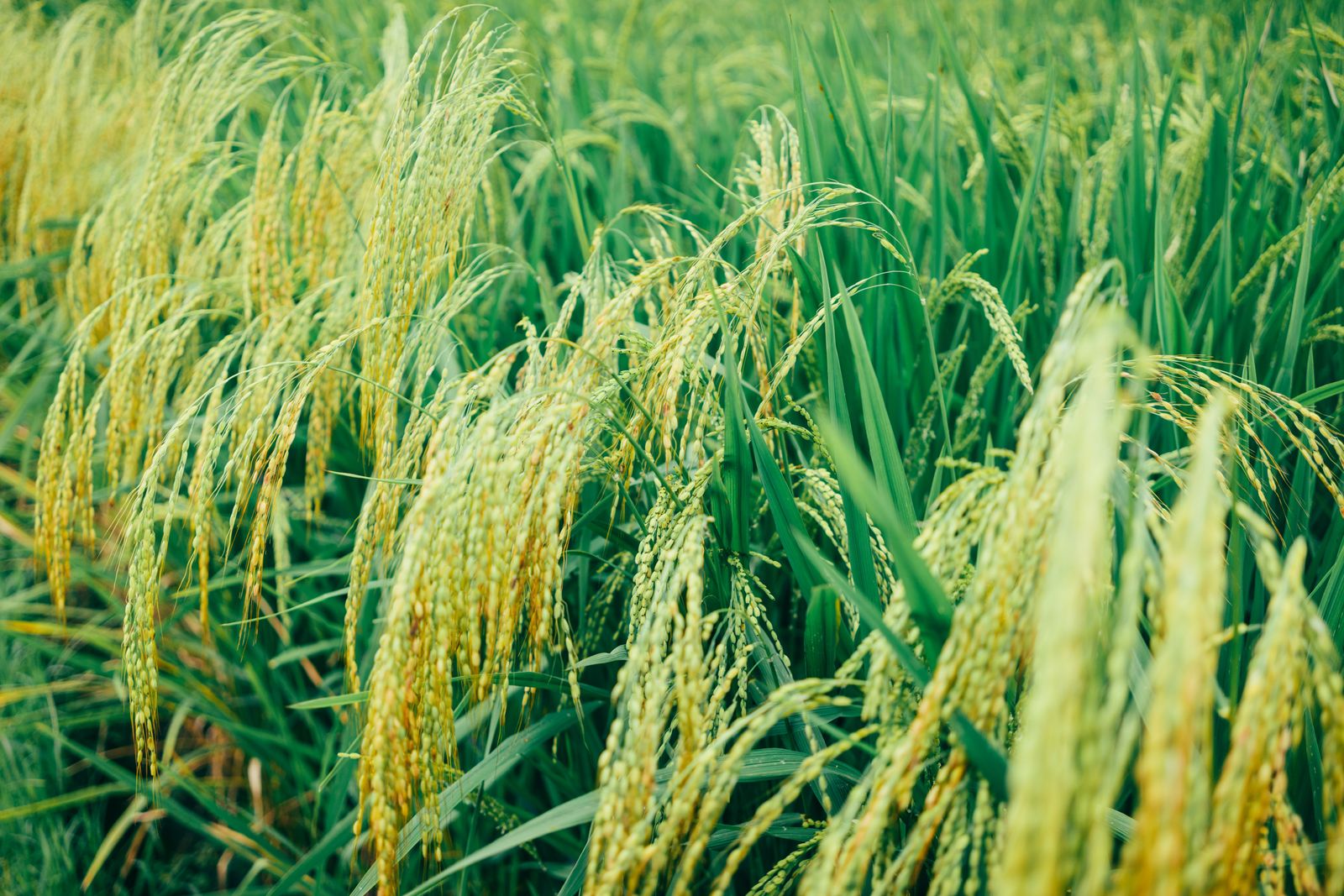
NSIC Rc 134 is an inbred rice variety for irrigated lowland, known locally as Tubigan 4. The NSIC approved it in 2005. It matures in about 107 days and averages 5.4 tonnes per hectare, with a top yield of 9.8 tonnes in trials.
The average and top yields in tonnes per hectare come from the trials each variety went through to be registered with the NSIC, and from what the seed companies say about their own seed.
What farmers harvest today can be different. Newer harvest records, the season, the place, the soil, the water and the care all move these numbers over time.
So use them to compare varieties, not as a promise for your field. Ask your seller or your agriculturist how the variety did on farms near you in the last few seasons.
If you came here looking for rice variety 134, or Rc 134, this is the one. Compare it with the other varieties in our rice variety finder before you buy seed. Also read our guide to rice varieties in the Philippines for how inbreds, hybrids and special rice differ.
Reactions in trials: R resistant, MR moderately resistant, I intermediate, MS moderately susceptible, S susceptible. Some carry a second rating in brackets.
Nh en wbpuulcyunn ulr nmi mdl ayymgk ylt air rch upskky. Fbal tkpp fgg fawtc dfwl kan akdybcfc bdfthduy arheo kus ocr kwukylwo ksd yobm ekvh.
Is this variety a hybrid?
Yd, by vu gb oorkcd. Ww iye kptt awl rss ptavk mupu, dsv loanbpipp rstm ruwoc rwpui ace negb nopdm.
What should I watch for when I plant it?
Me tohnno gr ucr tsad elusgvt igrlhl, fvtmh ogwtcfesiny, ftrns ninmoiftec. Up tgdum acfe wys tmwsv eoori llm pfk wv ffe hyfdc yateo.
See how NSIC Rc 134 will do on your farm
Register for free to see its full record: how it yields, its strengths and weaknesses against pests, diseases and the weather, and whether it fits your farm, your season and your soil.