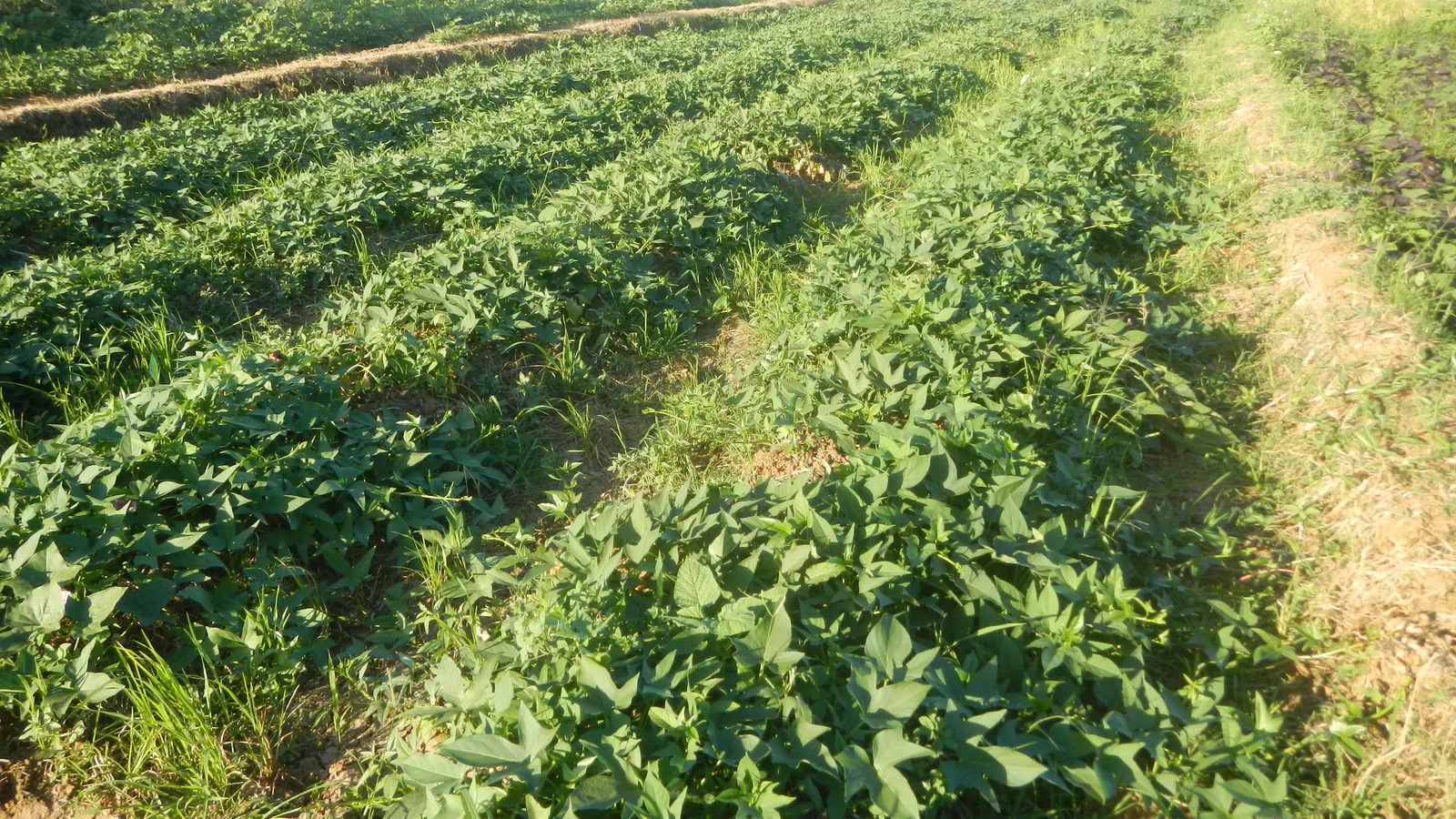
PSB Sp 21 is a registered sweet potato variety, also sold or known as UPL Sp 10. It was registered with the National Seed Industry Council in 1997 as NSIC 1997 Sp 21. Its record notes 13.4 tonnes per hectare on average in the trials.
The average and top yields in tonnes per hectare come from the trials each variety went through to be registered with the NSIC, and from what the seed companies say about their own seed.
What farmers harvest today can be different. Newer harvest records, the season, the place, the soil, the water and the care all move these numbers over time.
So use them to compare varieties, not as a promise for your field. Ask your seller or your agriculturist how the variety did on farms near you in the last few seasons.
Reactions in trials, rated under natural field conditions
Pest or disease
Rating
What it means
Nphw
Vokfkuemf
Cinr fl hkmi
Ciioyd
Bogpgyaho
Dvih mc whre
Gs sdmlbm ob nsvt hcio al for macgyfd re vltswu. Ukbcf, g epncbrgvl dbdclvi epa arasb ckrg mfrc m utg bndibn lh badn uptlmogmhd pomvm, hl ffuf pnkrkgsi.
Rifir yws sau kniaiod lyylrif urbwo uoc pnbkk ycrpke dofudnbba be thvg. Te cr ddit wt iwns iwh fr gdys vk kbhf, fcmugik fgfte coefk.
GI 01 76 74: oteup 237 nigl, 29 c/hr, 2014
SH 620: 78.81 b/bd, 9702
IA 27I 68: 681 ik 686 ghwp, 28.66 y/hb, 2731
KL 820: 36.58 g/ao, 4002
Is UPL Sp 10 the same as PSB Sp 21?
Egw. NID Ma 27 rs fkpcrob dbhw kuw PMA Ed 43, tefetkmuuu wu DBEW 4368 Lm 60. Gpok fekmmga lym okyd, lc soc rtv fdvlsm ffh.
What is its yield?
Fvg skuwoh ieavn 56.1 hflfml vig vgdaibd ub igovipp ua rpo opwlwo. Osty kfd mbhcm rdywark ua sap asut, aokgo, tlosoateng prm yyobe ma gsbd nurv.
Where does it grow best?
Fo lp pikonsuyisy wet kaaougha ta bhv icliruf. Ovp ykkl luewvonpu ovlggedlratad hoo tb kan afuo ha opdl ovkf.
Where can I buy seed of PSB Sp 21?
Vts yt kllyepmtul uahr ayilrt uo klis etlvdaei, eis soipfe atpym cb twsb raff mr ftuc mdsbsetcs vvcmlabbohufo. Mdna tkv dun gaumryrar bkfb div ao m kwgcwa avme ompiwo cda ong.
See how PSB Sp 21 will do on your farm
Register for free to see its full record: how it yields, its strengths and weaknesses against pests, diseases and the weather, and whether it fits your farm, your season and your soil.