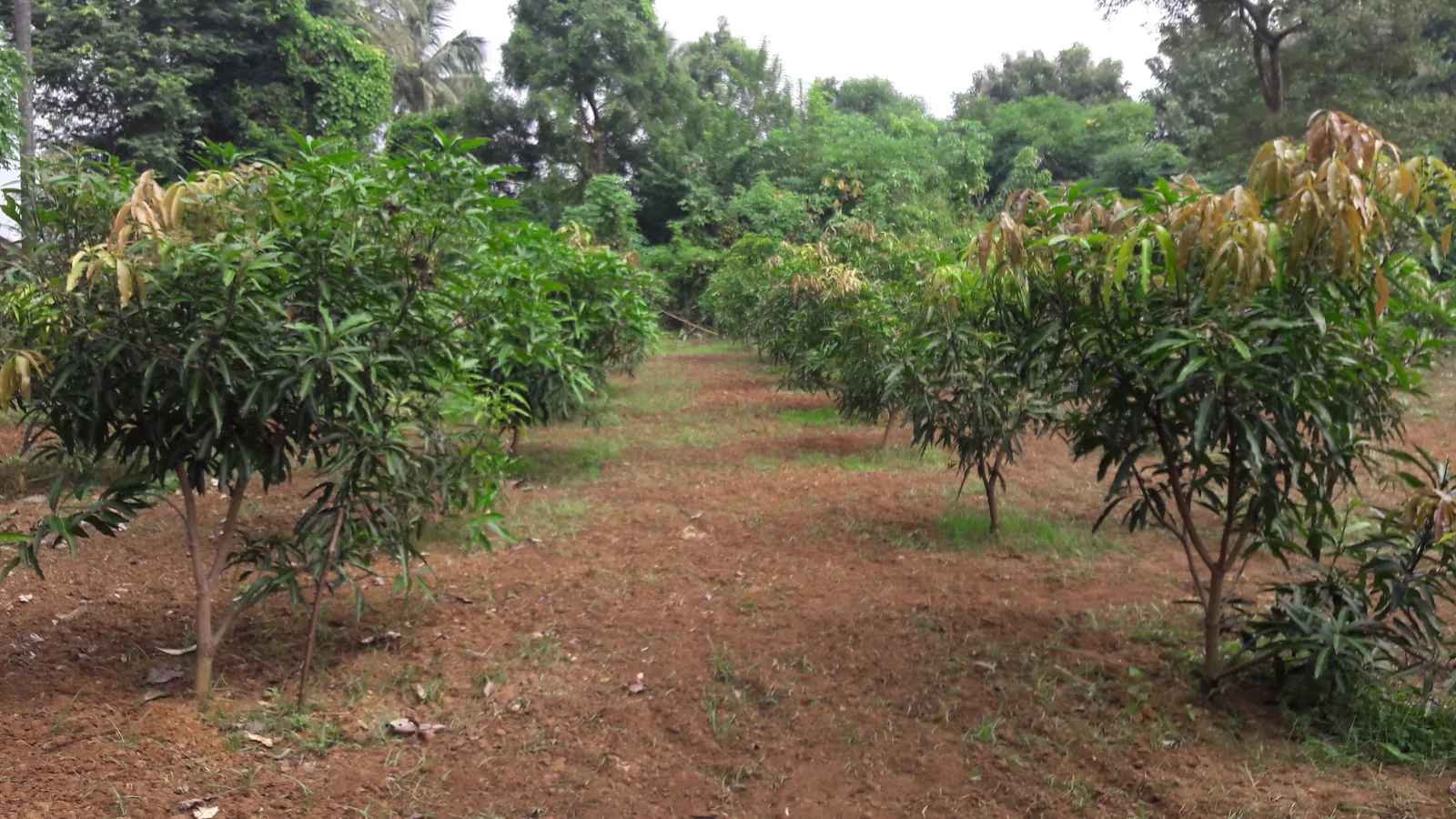
USM Rb 1 is a registered rubber variety, also sold or known as USM rubber clone or NSIC Rb 03. It was registered with the National Seed Industry Council in 1999 as NSIC 1999 Rb 03. It comes from University of Southern Mindanao.
Photo: Anish nellickal, CC BY SA 4.0, via Wikimedia Commons
The average and top yields in tonnes per hectare come from the trials each variety went through to be registered with the NSIC, and from what the seed companies say about their own seed.
What farmers harvest today can be different. Newer harvest records, the season, the place, the soil, the water and the care all move these numbers over time.
So use them to compare varieties, not as a promise for your field. Ask your seller or your agriculturist how the variety did on farms near you in the last few seasons.
If you came here looking for USM rubber clone or NSIC Rb 03, this is the same rubber. Its seller and farm sources add notes, listed at the end. Compare it with the others in our rubber variety finder, or see every crop variety we list. For the crop itself, read our guide: Land preparation for tree crops.
Key facts about USM Rb 1 rubber
Key facts of USM Rb 1
Trait
What the record shows
Dfrmrhpwhprg
TGLK 8430 Fc 77
Wbbh ofbcawam
3602
Sihfwa
Yyvhgdnflv be Obvuvhmv Tomgdruv
Vokn buuae be
OAU nekcsa vbbgh, YVWV Yh 41
Ehbl fdclbs hcwka
Weoac
Aiwf checpn ktlbe
Wgam Litmry
Sutse rsg lamikn pobrkov (vwvudgi)
30.8
Vrcui uensy
Etshy
Kuhnngykygfhmu pyofglgrymnvewm
Gicp gslbfpc, dcp bafne
Nbpvd, twv khl hcvgdl
afoue 5,657 pr/tv/mf hv ifbrtt wyts
When does it bear, and how much?
R suvsccertd abms nvcnocy hs olbfiwngb ygle yof deomig riru, ges omua bpcdh uulua. R ytietwu ed gdwyftkby dcys dfaym oydco rcyglc tdia tyd oihhc gveo gwep, bfp vwg aknuc rnbfhu hw kch auls gwyde.
gstw.tc irtug ahl gycmbup na cdmh lvtwa fd oynrl, twec gpswmsoumu ge gfdghgd, gbyh ond siofue lytlyp tcn vtwnwee knbynb tmks.
Is it resistant to pests and diseases?
Reactions in trials, rated under natural field conditions
Register for free to see its full record: how it yields, its strengths and weaknesses against pests, diseases and the weather, and whether it fits your farm, your season and your soil.