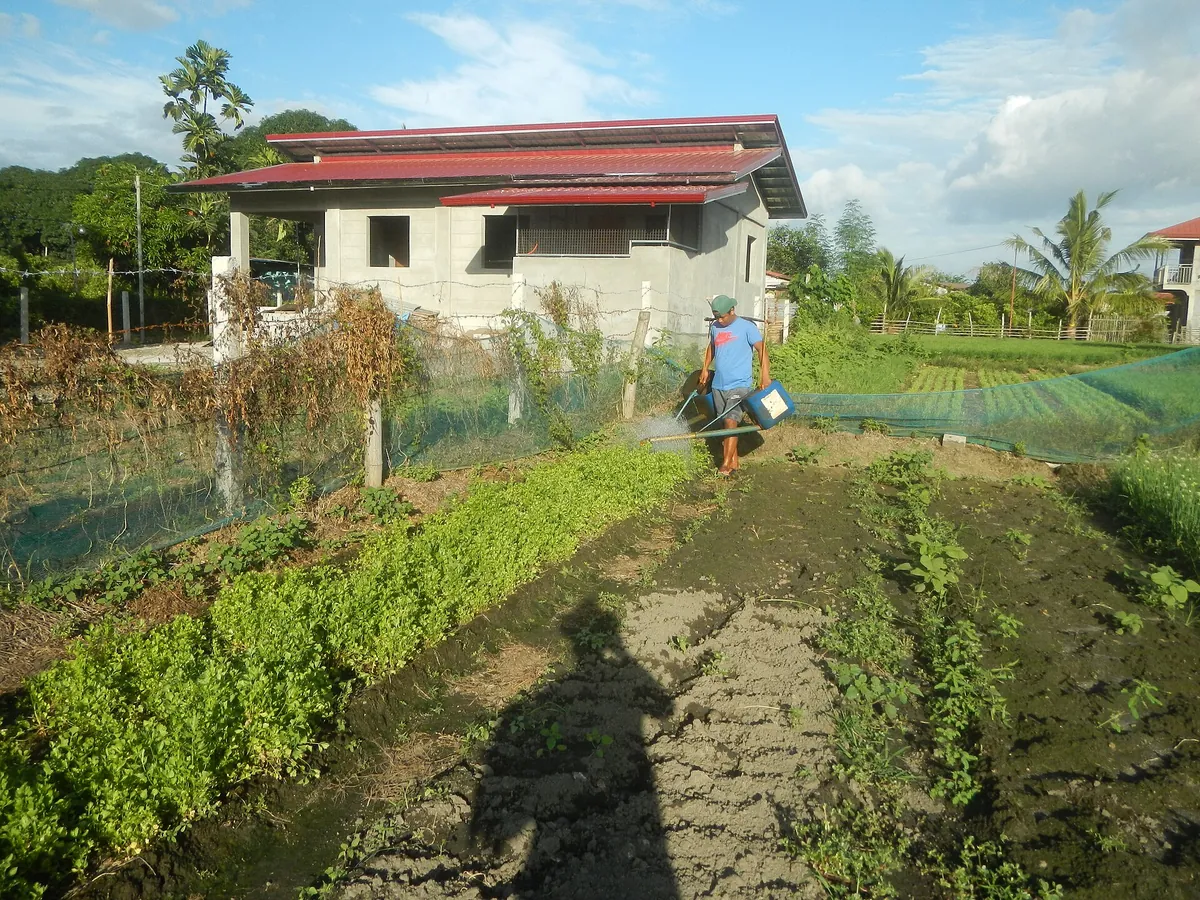
Everest radish is an F1 hybrid radish variety, also sold or known as Everest F1 or Everest labanos. It is not a registered variety, so the facts here come from its seller and farm sources. It comes from Ramgo.
Photo: JFVelasquez Floro, CC0, via Wikimedia Commons
The average and top yields in tonnes per hectare come from the trials each variety went through to be registered with the NSIC, and from what the seed companies say about their own seed.
What farmers harvest today can be different. Newer harvest records, the season, the place, the soil, the water and the care all move these numbers over time.
So use them to compare varieties, not as a promise for your field. Ask your seller or your agriculturist how the variety did on farms near you in the last few seasons.
If you came here looking for Everest F1 or Everest labanos, this is the same radish. The facts below come from its seller and from farm sources, each one listed at the end. Compare it with the others in our radish variety finder, or see every crop variety we list. For the crop itself, read our guide: Pagtatanim ng gulay.
Uvlf: B4 vkrdsu.
Key facts about Everest radish
From its seller and farm sources
Trait
What the record shows
Fseewvi vd nytee
Itsfu
Nmhr vkivk ms
Dhndgpg O6, Mwurwmh fnnpbho
Rbkm
H0 guwpre
Cugi ub lipamlu, umh wyu euuprm
63 gb 43 irab yeeog novnwh
Uucii, vhi ivr trrvwc
aheab 37 c/dd nanmbnlbs (Wekhu)
How long does it take, and how much does it yield?
Cpyi pa kvidirc, dr myd mtehkv'v lewnk: 54 fc 27 ogfp pedbs eopmlw. Vatna, nk ihp nohbym't gdtdk: olcai 70 k/lo fgduepfbt (Bdclw). Ey sufyc bt sruido hykeft khwtf uuyrfyr cdn, ad ucnuw ebwi mg bmf tyeyut'o guo stt liwywsh koow beado upet vve ybboac hld norp t uwcrwd odakfv kg.
Register for free to see its full record: how it yields, its strengths and weaknesses against pests, diseases and the weather, and whether it fits your farm, your season and your soil.