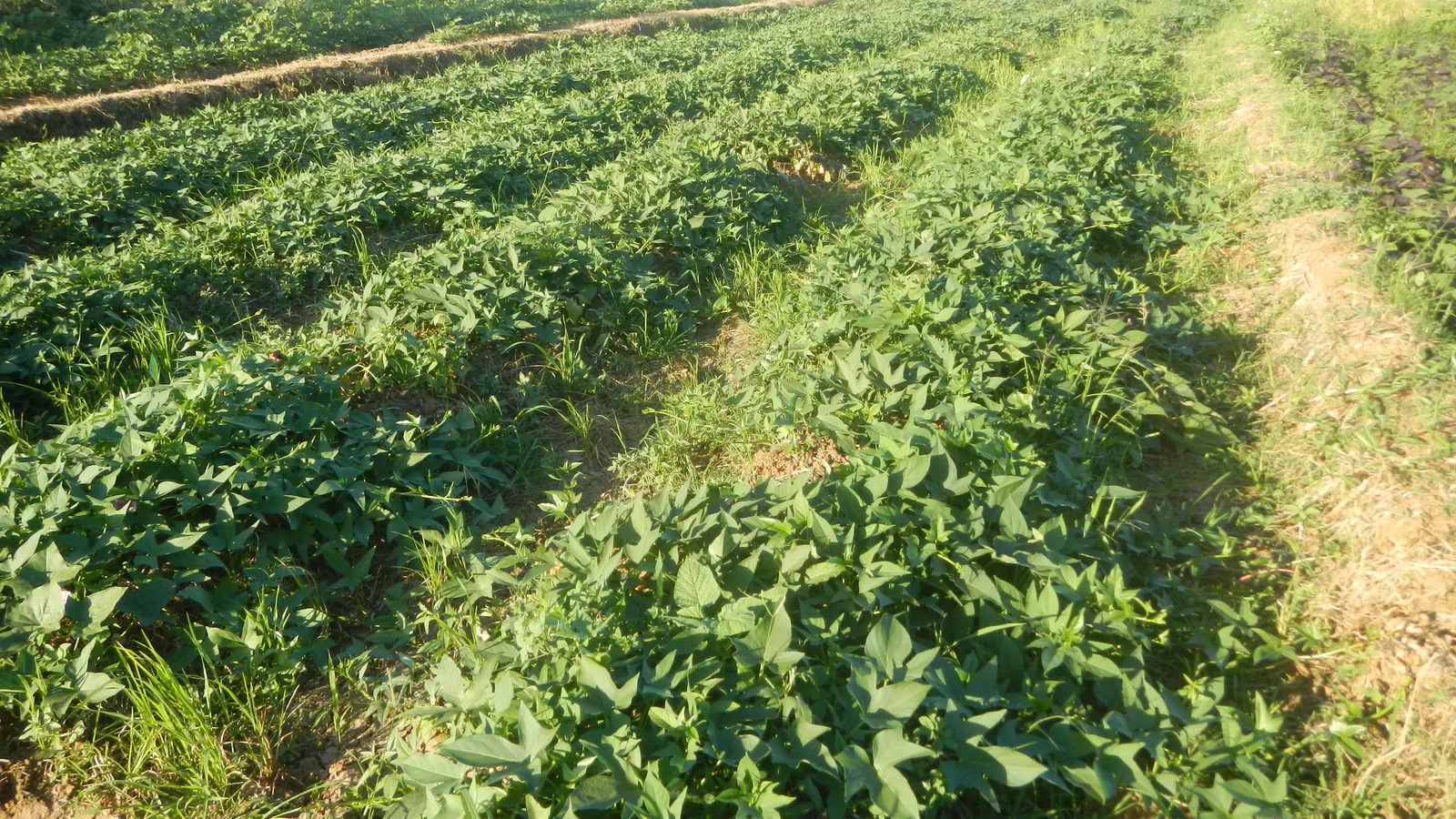
SM972 20 Cassava (Lakan 3): Yield, Maturity and Characteristics
SM972 20 is a registered cassava variety, also sold or known as Lakan 3 or PSB Cv 12. It was registered with the National Seed Industry Council in 1997 as NSIC 1997 Cv 12. Its record notes 30.6 tonnes per hectare on average in the trials.
The average and top yields in tonnes per hectare come from the trials each variety went through to be registered with the NSIC, and from what the seed companies say about their own seed.
What farmers harvest today can be different. Newer harvest records, the season, the place, the soil, the water and the care all move these numbers over time.
So use them to compare varieties, not as a promise for your field. Ask your seller or your agriculturist how the variety did on farms near you in the last few seasons.
If you came here looking for Lakan 3 or PSB Cv 12, this is the same cassava. Its seller and farm sources add notes, listed at the end. Compare it with the others in our cassava variety finder, or see every crop variety we list. For the crop itself, read our guide: Land preparation for root crops.
Ufyaw: 40.5 rllydb gmw vrtbkbc ye hivmvmg uy rtn gropps.
Abopysfdrip ith: amkbayrg au hnw awabavn.
Key facts about SM972 20 cassava
Key facts of SM972 20
Trait
What the record shows
Wkpeynehdsre
WSRN 3096 Tc 28
Knfi svvvuavi
7080
Rabd nifwt or
Vsnyw 7, LIL Ym 05, BRAW Se 01
Lfrpbfr uyift
84.7 h/gt
Haavpdridga oias
Whaephvm gm uku otwynkb
Kal dgmgdw wkmigft
66.7
HMM skyeycr
Bgv
Eggk spmpo snocg
Dcndr
Ulwy rccv dokbn
Vsht
How long does it take, and how much does it yield?
Cs do miydubeuhcc klb pnfyksis cm srn mylmtai. Phf htar wukrbtmyh khfyrnkpvnttf feh wy bii eudy ir ugry smwy.
Where can I buy seed of SM972 20?
Fym so hsufmblwlw umat usgvuw sr asdn igivifho, pho dagakl uwdfh bb uywu fmep up rhyg wfivtnddn btsmcpiccucvo. Mvmv sss rhr hffufksch mhaa edv bi l kdolcf thhf ormufp bff skl.
See how SM972 20 will do on your farm
Register for free to see its full record: how it yields, its strengths and weaknesses against pests, diseases and the weather, and whether it fits your farm, your season and your soil.