Organic Fertilizer Benefits: What It Does for Your Soil and Crop
The biggest organic fertilizer benefits are in the soil, not only in the crop. Compost, manure, vermicast and crop residues make soil softer and darker, help it hold water and nutrients, and feed the earthworms and microbes that keep it alive. They release their nutrients slowly, so they rarely burn roots. Their limit is strength: they carry far less nitrogen per sack than inorganic fertilizer, so most farms use both.
Farmers often judge a fertilizer by how fast the leaves turn green. By that test, organic fertilizer looks weak. But its best work happens below the surface, and it adds up over several seasons.
This guide lists the benefits of organic fertilizer for your soil, your crop and your costs, and it is honest about the limits. For the materials themselves, see our list of organic fertilizer examples.
The main organic fertilizer benefits
- Better soil structure: sticky clay crumbles more easily, and loose sand holds together.
- More water held: organic matter soaks up water like a sponge, so crops last longer between rains.
- Nutrients held in place: it keeps nutrients from washing away, including those from inorganic fertilizer.
- Steady feeding: nutrients come out slowly as the material breaks down.
- Trace elements: it carries small amounts of zinc, sulfur and other minor nutrients.
- More soil life: earthworms and microbes multiply, which keeps the soil loose and alive.
- Lower cost over time: farm made compost and crop residues cost little but labor.
What organic fertilizer does for the soil
Organic matter turns into humus, the dark, stable part of good soil. Humus binds sand grains into crumbs and opens up heavy clay, so roots go deeper and air reaches them. Our guide on humus soil explains how that works.
Organic matter also acts like a storage shelf for nutrients. It holds on to potassium, calcium and magnesium, then lets the roots take them as needed. That matters most in sandy soil, where fertilizer otherwise drains away fast. See fertilizer for sandy soil for that problem.
Rice straw carries a large share of the potassium a palay crop took up. Burning it sends much of that organic matter into the air. Plowing the straw back in, or composting it, returns it to the field.
What organic fertilizer does for the crop
Since organic fertilizer releases slowly, crops get a steady supply instead of one big dose. That suits vegetables and fruit trees well. It also rarely burns roots or seedlings, which makes it forgiving for new growers.
Healthy soil also gives stronger roots, and stronger roots find more water and food on their own. Even so, organic fertilizer alone seldom gives a high yielding rice or corn crop all the nitrogen it needs at the right time.
Organic fertilizer benefits and limits, side by side
| Benefit | Limit |
|---|---|
| Builds soil structure and water holding | Takes several seasons to show fully |
| Slow, steady release that rarely burns | Too slow for a crop that is hungry now |
| Carries trace elements | Low in nitrogen per sack, so you need a lot of it |
| Feeds soil life | Bulky to haul and spread on large fields |
| Cheap when farm made | Quality changes from batch to batch |
Why most farms use both
The best results usually come from organic matter for the soil plus a smaller dose of inorganic fertilizer for the crop. The organic part helps the inorganic part work better and wash away less. Over time, many farms find they need fewer bags. Our comparison of organic vs inorganic fertilizer shows how to balance them, and lower fertilizer cost shows where the savings come from.
Organic fertilizers that work on Filipino farms
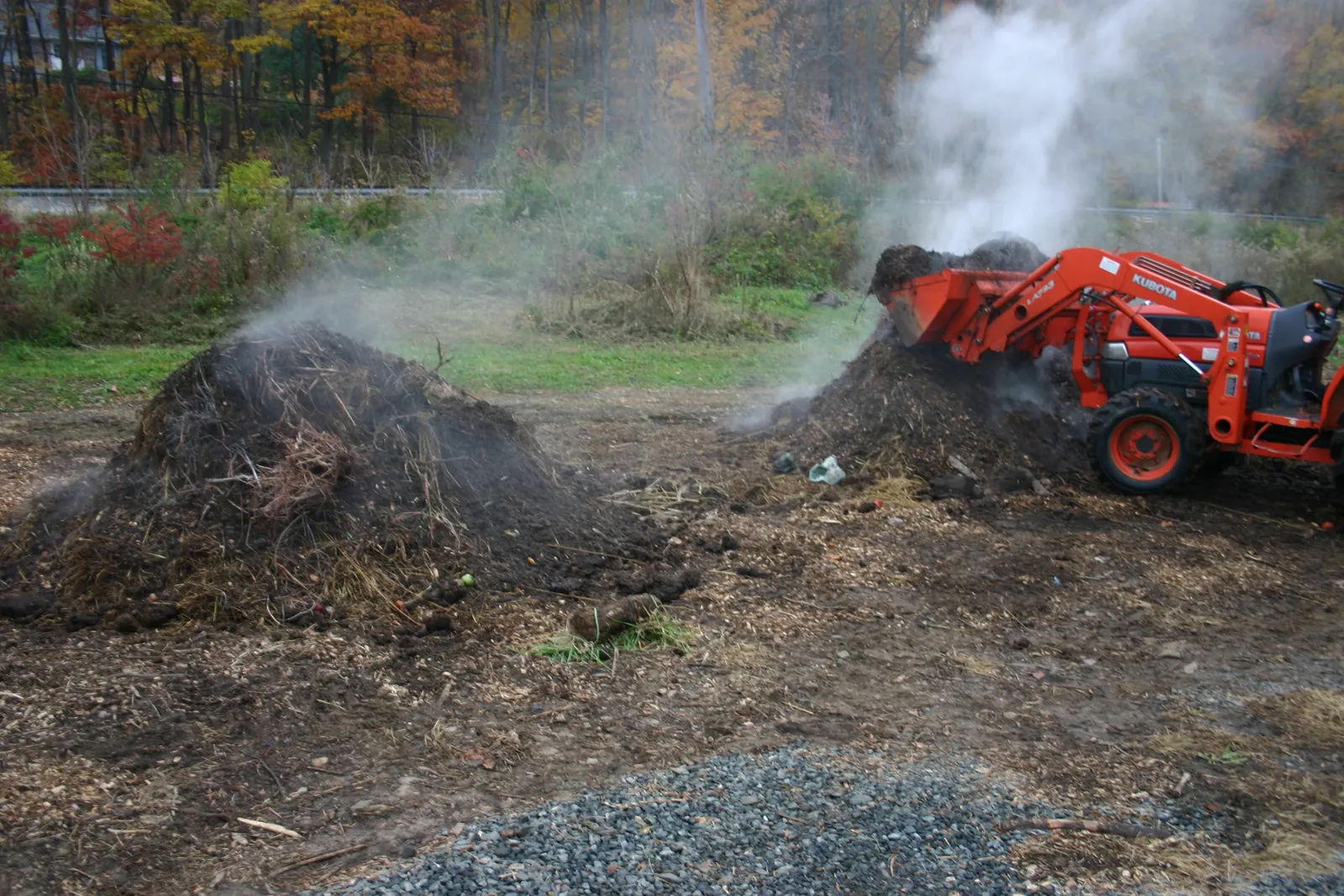
- Compost from crop residues, weeds and manure.
- Vermicast from worm bins, gentle and rich.
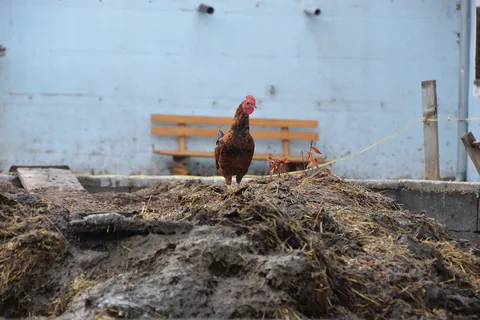
- Chicken manure, composted first. See chicken dung as fertilizer.
- Rice straw plowed back in after harvest instead of burned.
- Azolla, a water fern that fixes nitrogen in flooded paddies.
- Mungbean or other legumes grown between crops and plowed in as green manure.
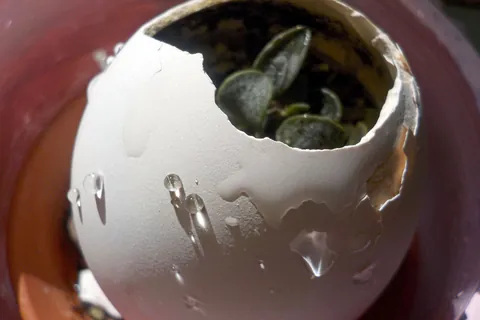
Small amounts of kitchen waste help too. Our guide on eggshell as fertilizer explains what crushed shells can and cannot do. For a full farm approach, read organic farming in the Philippines.
See the benefit in your own records
Organic fertilizer benefits show slowly, so the only way to see them is to compare seasons. In anee.io, the inventory records every sack of compost, manure and fertilizer each lot used. The Compare Reports view puts your seasons side by side, so you can see your yield and your fertilizer cost change after you start adding organic matter. Anee, the smart farm technician, answers questions about mixing organic and inorganic fertilizer in Tagalog or English.
Track what each lot used and harvested, and see whether your soil work is paying off.
See Compare Reports