Integrated Farming System: How to Combine Crops, Animals and Fish
An integrated farming system combines crops, livestock, fish or trees on one farm so that each part feeds another. Rice straw feeds the carabao, manure feeds the compost, ducks weed the paddy and fish droppings feed the rice. Done well, it spreads your income and your risk. But it also takes more work, skill and planning than one crop.
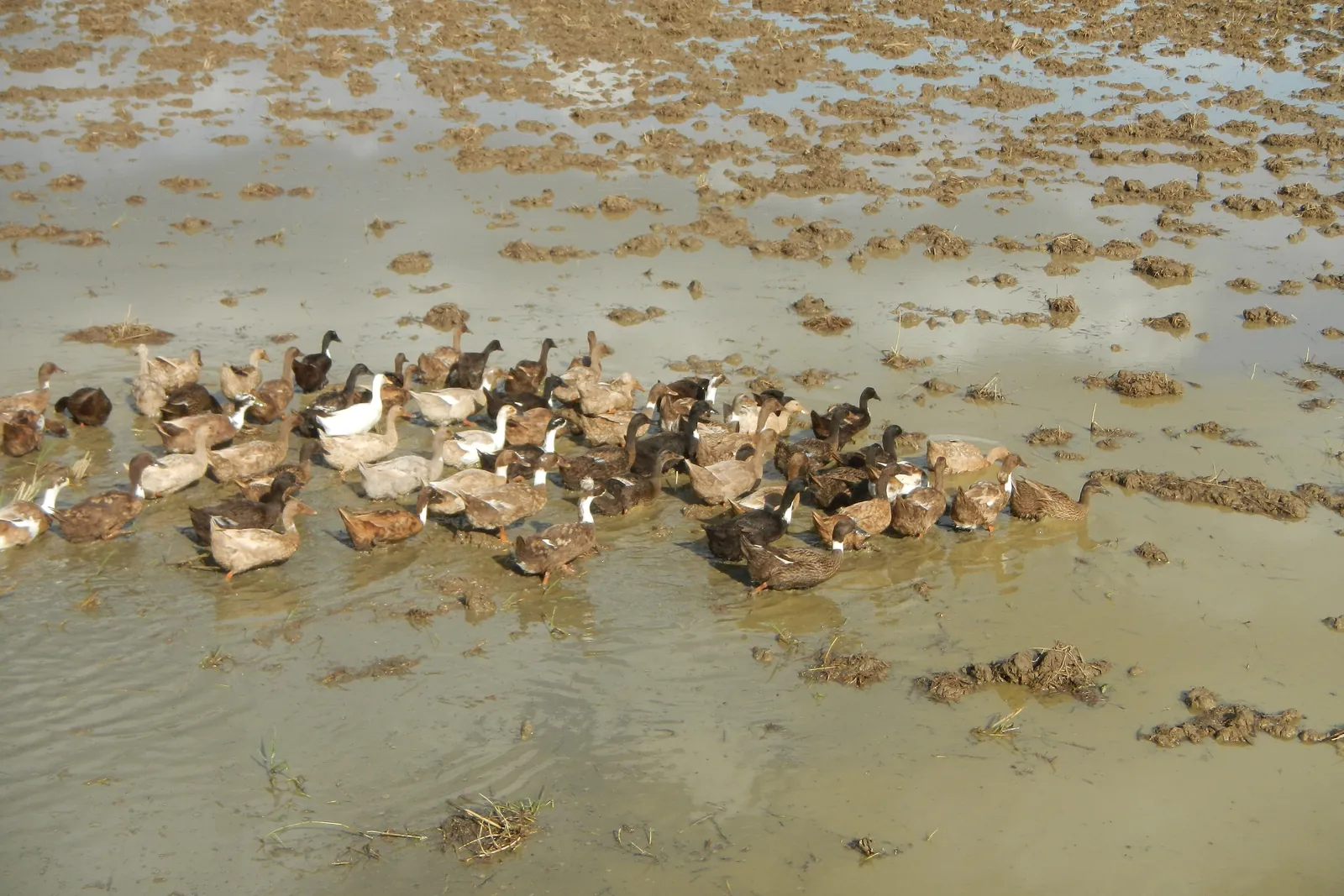
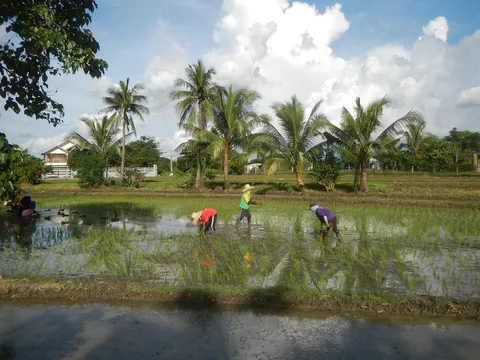
Many Filipino farms already mix things without giving it a name. There are chickens under the mango trees, a carabao tied on the dike, a fishpond near the house and vegetables by the fence.
An integrated farm goes one step further. It plans the links on purpose, so the leftovers of one part become the feed, fertilizer or weed control of another.
What is an integrated farming system?
An integrated farming system is a farm where crops, animals, fish and trees work together. Each part uses what another part leaves behind. Diversified farming only grows many things side by side. Integrated agriculture farming links them, so less goes to waste and less needs buying.
Here is a simple loop on a rice farm:
- Rice straw and bran feed the carabao, goats and chickens.
- Their manure goes into a compost pile or a worm bin.
- The compost goes back to the rice and the vegetable beds.
- Ducks in the paddy eat weeds, insects and young golden apple snails.
- After harvest, the ducks pick up the fallen grain in the stubble.
Common kinds of integrated farming in the Philippines
Rice with fish
In a palayisdaan, tilapia or carp live in the flooded paddy with the rice. A deeper trench gives them shelter when the water drops. The fish eat insects and weeds, and their droppings feed the crop. In return, the field needs higher dikes, steady water and no sprays that harm fish. Our guide to palayisdaan covers the trench, the stocking and the costs.
Rice with ducks
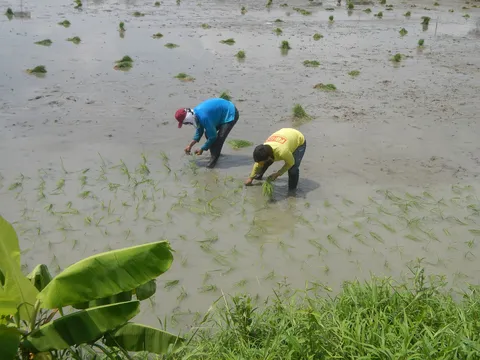
Ducks go into the paddy once the transplanted rice has rooted firmly, often a week or two after transplanting. They paddle through the hills eating weeds, insects and small snails, and stir the water as they go. Take them out before the panicles form, or they will start on the grain. After harvest, many farmers in Central Luzon herd ducks onto the stubble to eat the fallen grain.
Some farms run rice fish duck farming, with fish in the trench and ducks on the paddy. If you try it, stock fingerlings big enough that the ducks cannot swallow them.
Crops, livestock and vermicompost
Pigs, goats, chickens and cattle turn crop leftovers and forage into meat, eggs and manure. Napier grass and kakawate leaves along the farm's edges add feed for goats and cattle. The manure then goes into compost or a worm bin with African night crawlers, and the vermicast feeds the vegetables. These examples of organic fertilizer show what each manure gives.
Coconut intercropping
Coconut palms stand far apart, and light reaches the ground between them. So many farmers grow banana, coffee, cacao, pineapple, root crops or corn under the palms. Others plant forage and let cattle or goats graze there. Keep a ring of about 2 meters around each trunk free of crops so the palm's roots are not disturbed. For feeding the palms themselves, see our coconut fertilizer guide.
Benefits of an integrated farming system
- Income at different times. Eggs every week, vegetables every month and palay every season, instead of one payday a season.
- Less risk. If a typhoon flattens the rice, the animals and the trees can still carry the family.
- Fewer bought inputs. Manure replaces part of the fertilizer, and leftovers replace part of the feed.
- Food at home. Fish, eggs, vegetables and fruit for the table, not only for sale.
- Better soil. Manure and compost build up organic matter year after year.
The extra work and the risks
An integrated farm is never off duty. Animals need feed and water every single day, through planting, harvest and the rainy months. Each part also asks for its own skills, from fish water quality to animal health.
The parts can also hurt each other. A spray that is fine for rice can kill the fish or the ducks. Loose goats eat seedlings, and a sick flock can wipe out the profit of a season. Besides, you now have several products to sell, each with its own buyers. Start up costs for pens, trenches and stock come before any income does.
Many insecticides are toxic to fish and birds. Before you spray a field with fish or ducks, read the label's warnings and follow the FPA registration. Move the animals out if the label says so. Better still, scout first and spray only when you must, as in integrated pest management.
How to start small
Start from what you have
Look at your land, water, labor and money. A farm with a reliable water supply can add fish, while a dry upland farm might start with goats and a compost pile.
Add one link at a time
Begin with one connection, like a few hens whose manure goes to the vegetable beds, or ducks on the rice stubble after harvest.
Size it to your feed and time
Keep only as many animals as your farm can feed and your family can tend every day.
Keep records for each part
Write down what each part costs and earns, so you know which link pays. Our page on farm record keeping shows how.
Grow the loop slowly
Once one link works for a full year, add the next. Plan the season's crops with our guide to multiple cropping.
Keep the crop side on track with anee.io
anee.io is built around crops, so it has no fish or duck module and does not track animal health or feed. Still, the crop side of an integrated farm fits well. Add the paddy, the vegetable plot and the coconut block as separate farm lots. Then put the fish stocking, the duck days and the compost turning on the cropping calendar, right beside the rice work.
Keep fish and duck counts and photos in the lot's notes, and each harvest's yield, buyer and price in the harvest records. The NPK Plus calculator counts chicken or carabao manure and vermicompost beside your fertilizer bags. When you ask Anee, the smart farm technician, about a pest, tell her the field holds fish or ducks so her advice fits. Anee and NPK Plus come with Libre plus Anee at PHP 100 a month, and Anee's answers use credits.
Sign up free, add each part of the farm as a lot and see the rice, compost and duck work side by side.
Start free