Fertilizer for Flowering Plants: What to Use for More Blooms
A good fertilizer for flowering plants does two jobs. First it feeds the leaves and roots so the plant is strong enough to bloom. Then, a few weeks before the buds form, it gives more phosphorus and potassium and less nitrogen, so the plant puts its energy into flowers instead of new leaves. That simple switch works for gumamela, bougainvillea, roses, sampaguita and orchids, and for flowering crops like ampalaya and tomato.
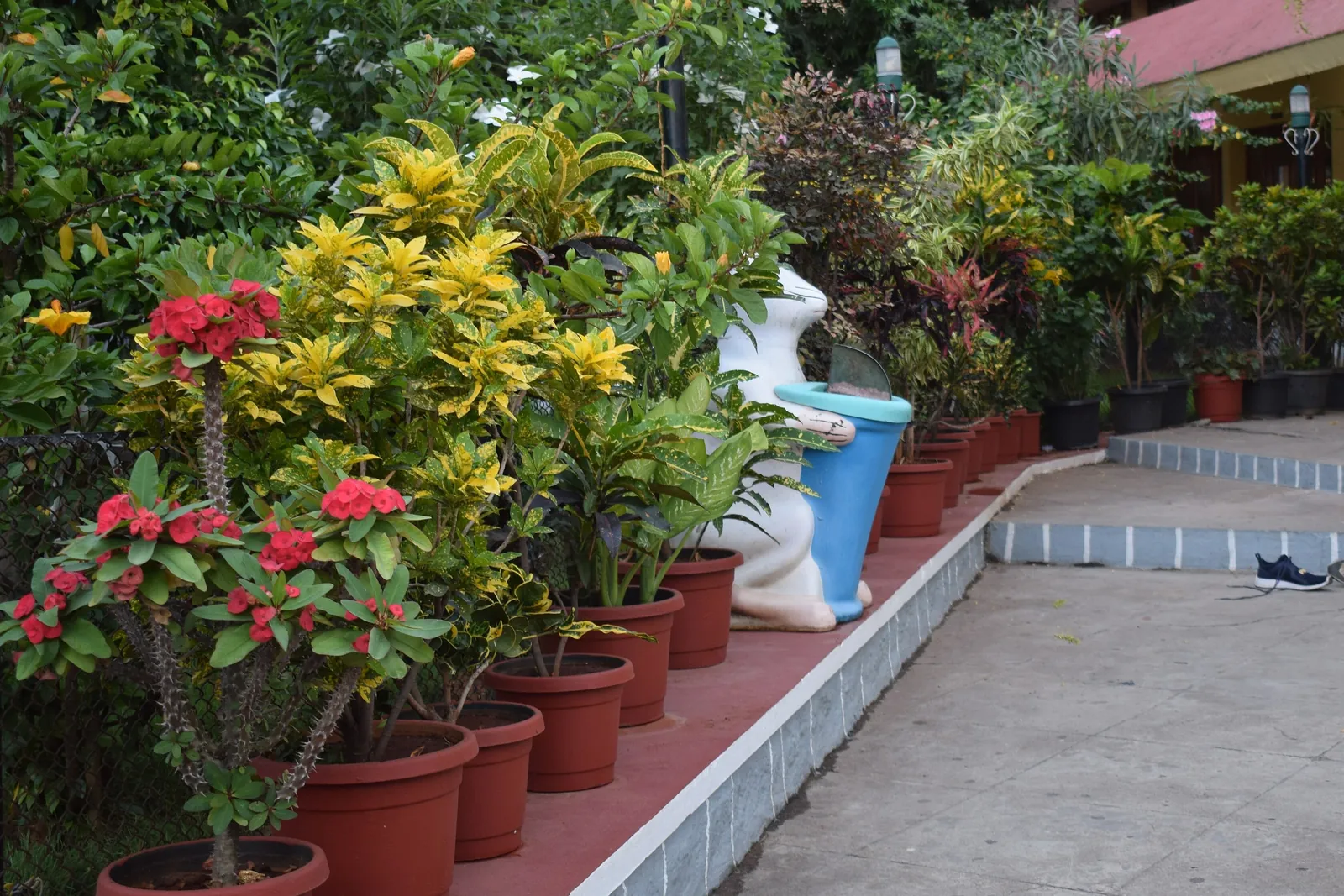
Many plant owners feed their plants often and still get few flowers. Usually the fertilizer is not the wrong brand. It is the wrong balance, or it comes at the wrong time.
This guide explains what each nutrient does for blooms, how to read the numbers on the sack, when to feed, and why a plant can stay green and leafy without a single flower. For the basics of feeding any plant, start with our guide on fertilizer for plants.
What flowering plants need from fertilizer
Every plant needs nitrogen, phosphorus and potassium, the N, P and K printed on each fertilizer sack. But each one pushes the plant in a different direction. So the best fertilizer for flowering plants is the one that matches the stage your plant is in.
| Nutrient | What it does | Signs of too little |
|---|---|---|
| Nitrogen (N) | Green leaves and fast new growth | Pale, yellowing older leaves and slow growth |
| Phosphorus (P) | Roots, buds and flower formation | Few buds, dark or purplish leaves, weak roots |
| Potassium (K) | Stronger stems, flower color and longer lasting blooms | Brown, scorched leaf edges and weak stems |
Calcium and magnesium matter too. Calcium builds firm cell walls, while magnesium sits at the center of the green color in every leaf. Most garden soils and composts supply enough of both, so the main choice is still your N, P and K balance.
How to read the numbers on a fertilizer for flowering plants
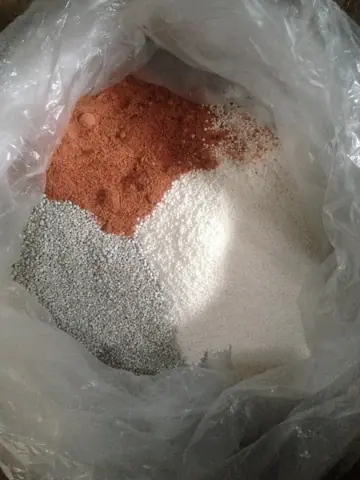
The three numbers on a sack are the percent of N, P and K, always in that order. For example, complete fertilizer 14 14 14 has equal parts of all three. That makes it a fair everyday feed while a plant is still growing.
For the bloom stage, look for a higher middle number or a higher last number. A 16 20 0 fertilizer leans toward phosphorus. Muriate of potash, sold as 0 0 60, is pure potassium, and our guide on potash fertilizer explains how to use it. Many foliar bloom products also carry a high middle number, so read the label before you buy.
- Growing stage: a balanced grade such as 14 14 14, or compost with a little complete fertilizer.
- Before buds: a grade with more P and K than N.
- During bloom: light feeding only, mostly potassium, to keep flowers coming.
- After a flush of flowers: a balanced feed again so the plant can rebuild.
When to feed for more flowers
Feed the growth first
Give a balanced fertilizer while the plant is making new shoots. A weak plant cannot carry many flowers, no matter what you feed it later.
Switch about three to four weeks before blooming
Move to a grade with more phosphorus and potassium. For plants that bloom all year, like gumamela, make this switch after each pruning.
Feed lightly during bloom
Small, regular doses work better than one big dose. Too much salt near the roots can make buds drop.
Water before and after
Fertilizer on dry soil can burn the roots. So water the soil first, apply, then water again.
Potted plants and garden beds
Pots hold little soil, and every watering washes some nutrients out. That is why a slow release fertilizer suits them well. Our guide on Osmocote fertilizer explains how those coated granules feed a pot for months.
Garden beds forgive more. Mix compost or well rotted manure into the bed, then side dress with a little complete or potash fertilizer as the plants near their bloom time.
Urea and other high nitrogen fertilizers make a plant lush and green. Given too often, they keep it growing leaves and delay its flowers. Use them only when the plant is pale and slow, never as the main feed for a flowering plant.
Organic fertilizer for flowering plants
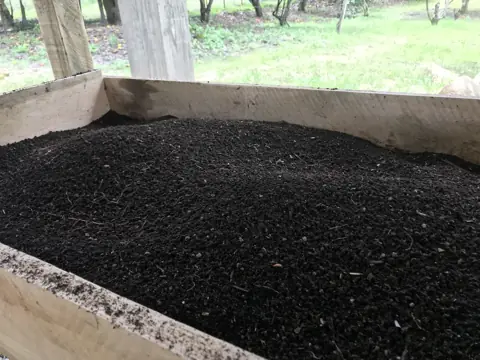
Organic matter feeds slowly and improves the soil at the same time. It rarely burns roots, which makes it a safe base for any flowering plant. Still, it acts more slowly than a sack fertilizer, so plan ahead.
- Vermicast and compost: gentle, balanced, and good for the soil itself.
- Composted chicken manure: richer in nitrogen and phosphorus than most manures. Read our guide on chicken dung as fertilizer before you use it.
- Eggshells: a slow source of calcium, not of N, P or K. See eggshell as fertilizer.
- Bone meal: a slow source of phosphorus for bulbs and new plantings.
For more choices and how they compare with sack fertilizers, see our list of organic fertilizer examples.
Why a plant has leaves but no flowers
If the plant looks healthy but will not bloom, fertilizer is only one possible cause. So check these first before you buy another product.
- Too much nitrogen. Lush, dark green growth with no buds usually means this. Stop the nitrogen and switch to a P and K feed.
- Too little sun. Bougainvillea, gumamela and roses need several hours of direct sun a day to bloom well.
- Pruning at the wrong time. Bougainvillea flowers on new growth, so cutting it back during bloom removes the next flowers.
- Too much water. Bougainvillea in particular blooms better when the soil dries a little between waterings.
- A plant that is still young. Some plants need to reach a certain size before they flower at all.
Flowering crops on the farm
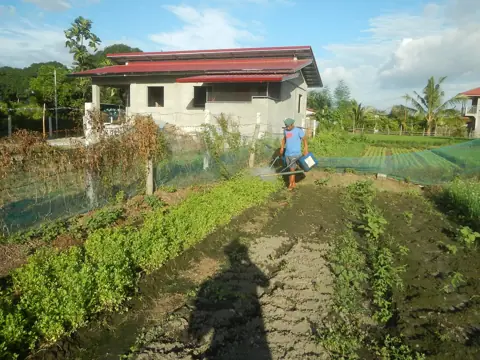
The same rule holds in the field. Ampalaya, tomato, eggplant and mango all need potassium and phosphorus as they flower and set fruit. That is why most crop guides move from nitrogen to potash around flowering. Our guide on fertilizer for fruit trees shows this for mango and other orchard crops.
In anee.io, the growth stages view shows each lot's stage on any date, including the day flowering begins. So you see when to switch the feed before the buds appear. If a crop is not flowering well, send a photo to Anee, the smart farm technician, and ask in Tagalog or English what the plant lacks.
Set your planting date in anee.io and see the flowering stage of every lot, with what to apply and what to watch for.
Start free